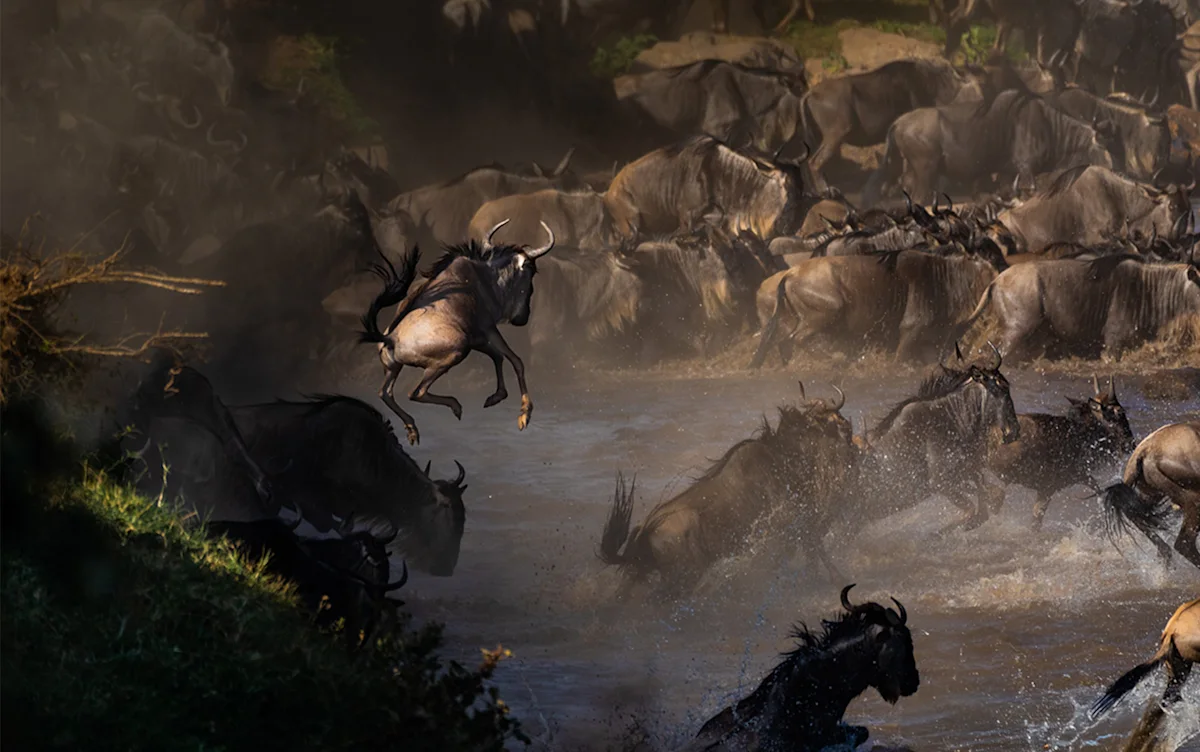
How do you choose between frantic masses of wildlife bolting across the Mara River, and cute, wobbly baby wildebeest learning to walk in the southern Serengeti? River crossings and calving season happen at different times of the year. Should you choose a safari that sees one over the other?
Both are memorable, incredible parts of the Great Migration. But guests have different interests and expectations, and we want to make sure you know what to expect.
Here’s our detailed breakdown:
River Crossings
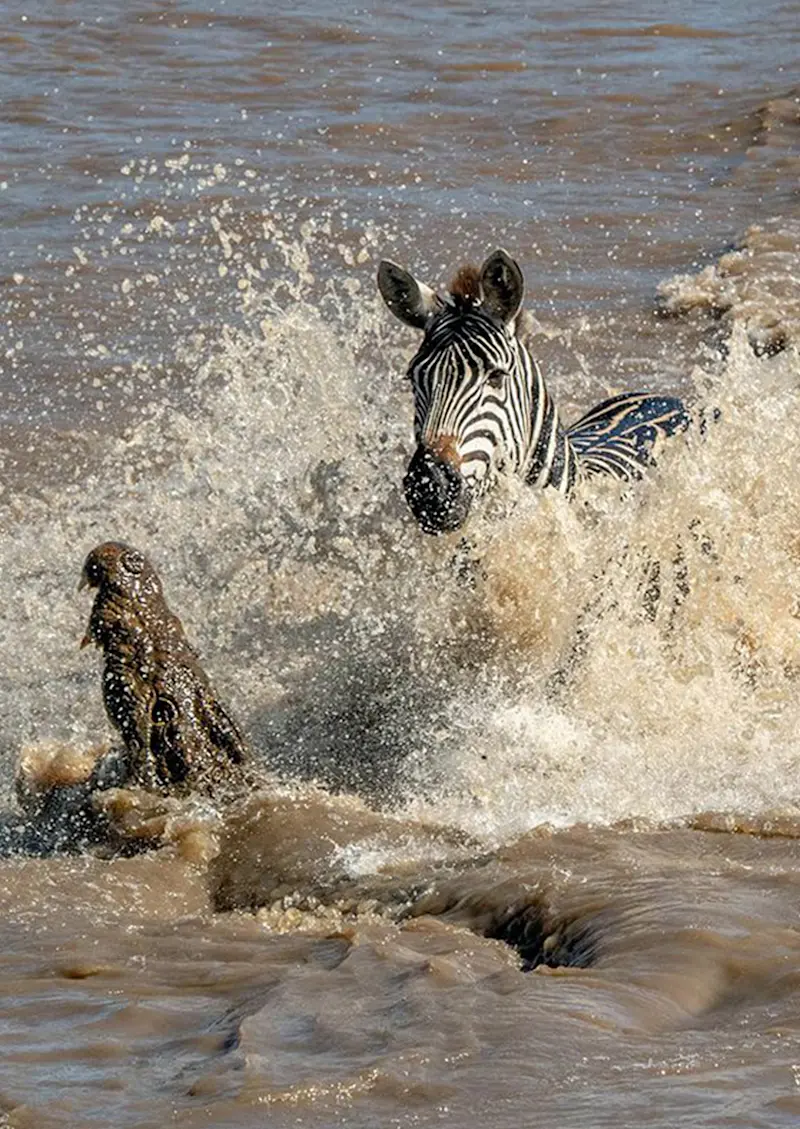
+ Predatory-Prey Action
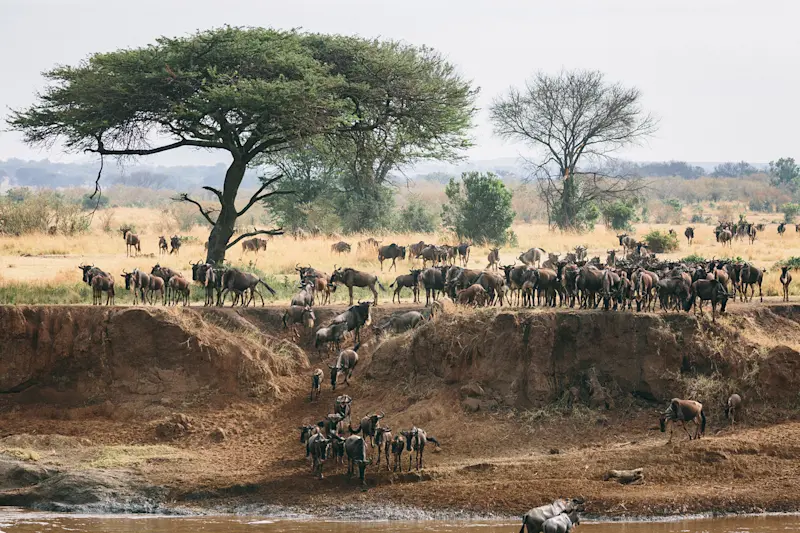
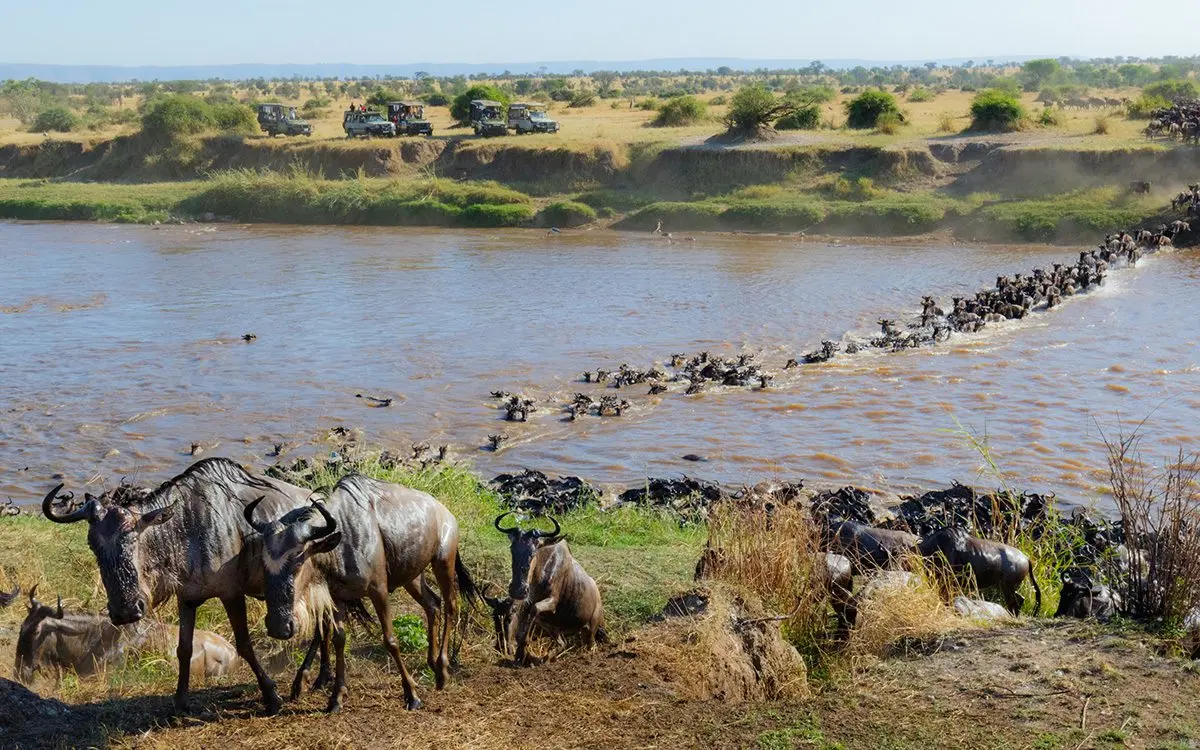
When wildebeest come trampling through the dry grasses to the edge of the Mara River, the predators come, too. Crocodiles loom just under the water, waiting for a snack to gallop by. Lions and other predators wait on the riverbanks to pick off weak members of the herd.
While predator-prey action is not guaranteed at every river crossing, it’s certainly a dramatic bonus.
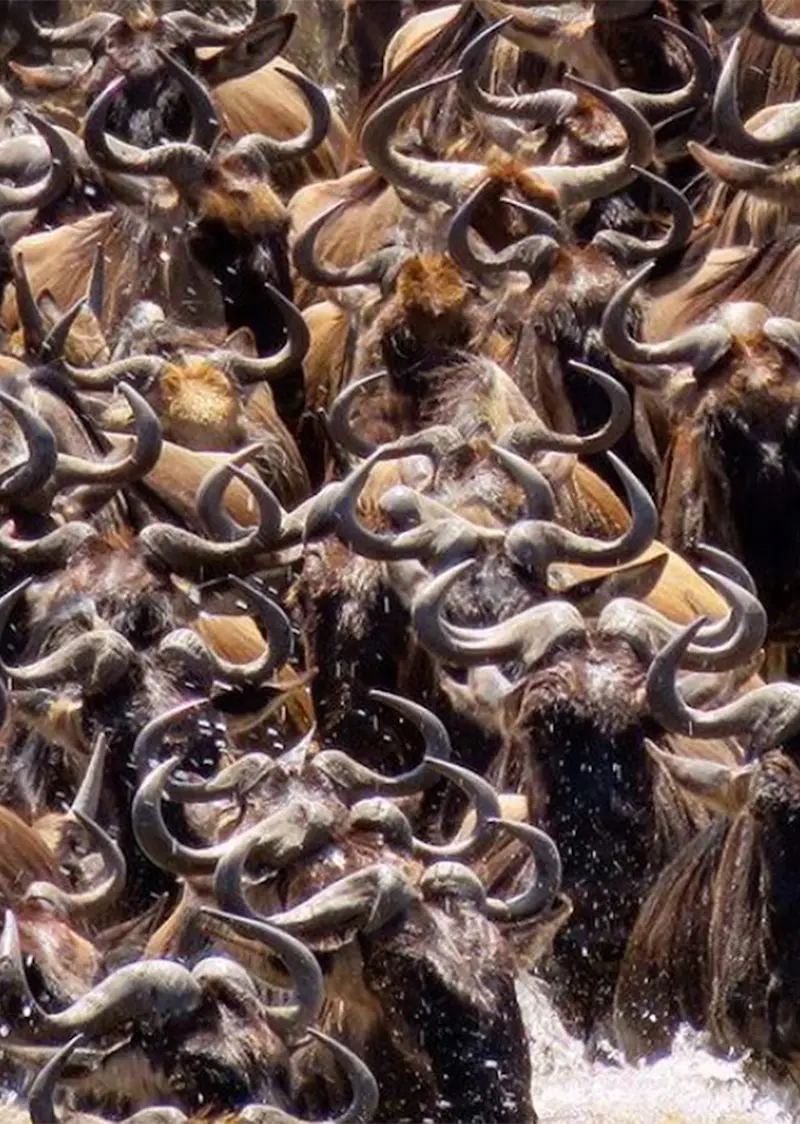
+ Wildlife Galore
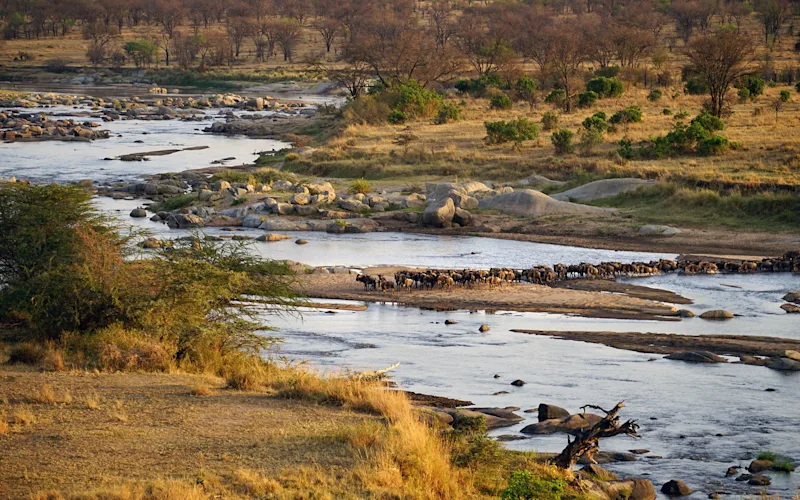
On any given river crossing, you’ll see hundreds or even thousands of wildebeest. But you’ll see more than that! Zebras, hippos, vultures, lions, crocodiles and many others are all around the Mara River too.
Gallery
+Landscapes
The Mara River is at the far edge of northern Tanzania, where hills, riverine forests, plains and kopjes define the landscape. It’s a scenic area of the Serengeti, but the immense Mara River is the region’s crowning spoil.
+/- Timing
River crossings happen every year, but there is no guarantee that a herd will cross when you want them to. It’s an exceptionally long river with many possible crossing points. The video above is a fun representation of the kind of delays you might expect as the herds look for a safe crossing point!
+/- Popularity
July through October is the peak crossing period at the Mara River. That also means it’s peak traveler season. You can rest assured knowing that it’s the preferred travel time for wildlife enthusiasts around the world. But more tourists can mean competition for the best river crossing spots.
Thankfully, practically every vantage on a river crossing is a good one, so this rarely creates conflicts.
Calving Season
+ Calves Everywhere
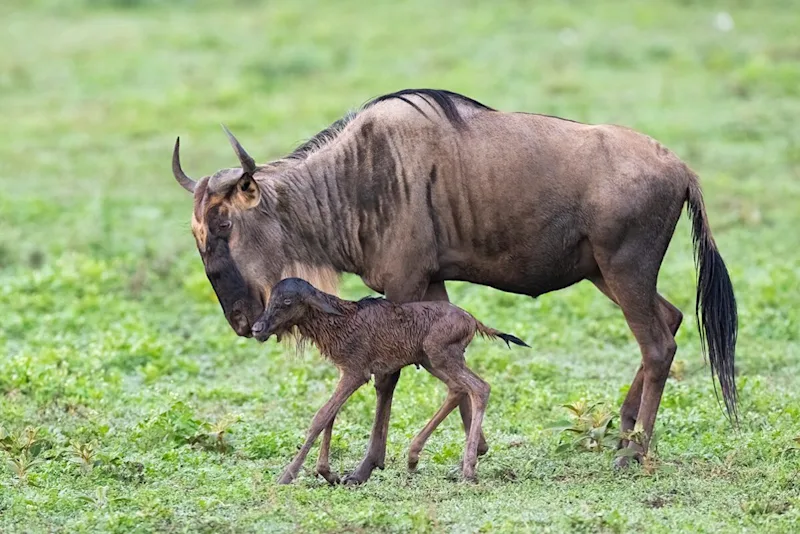
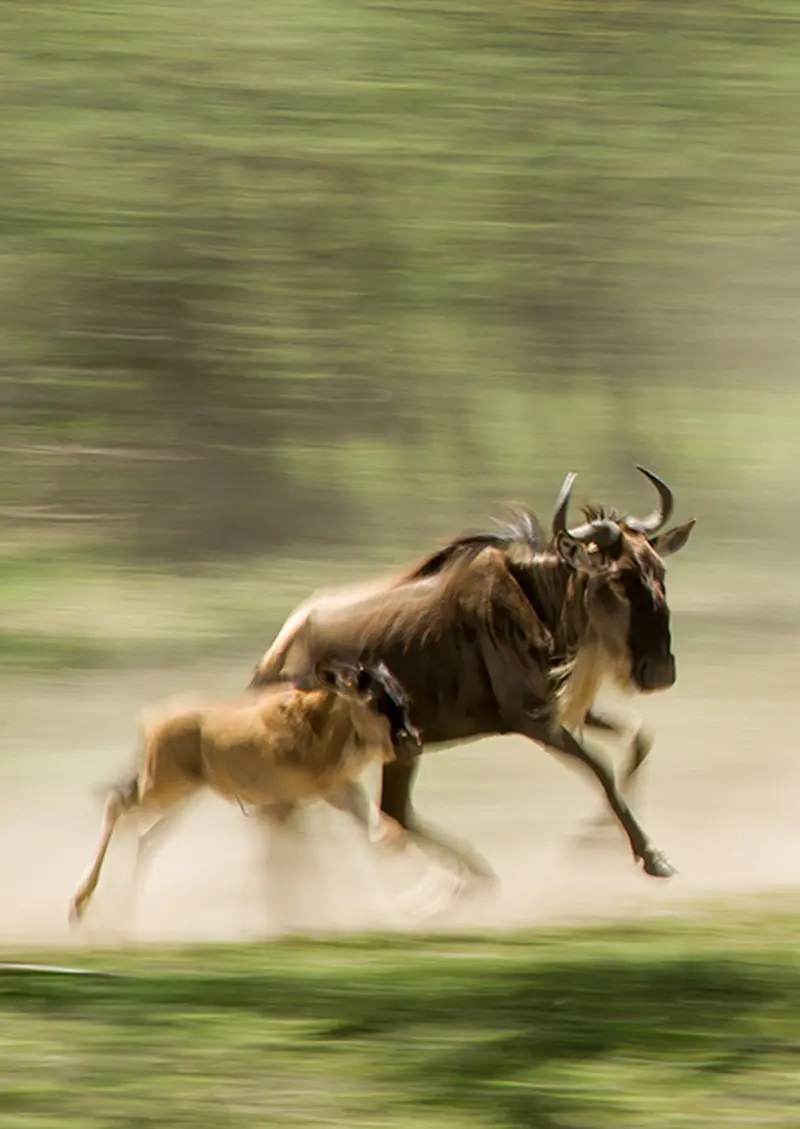
Up to 8,000 wildebeest can be born in a day during the calving season, which lasts from January to March. Around 500,000 are usually born across the entirety of that time. But wildebeests aren’t the only ones having babies!
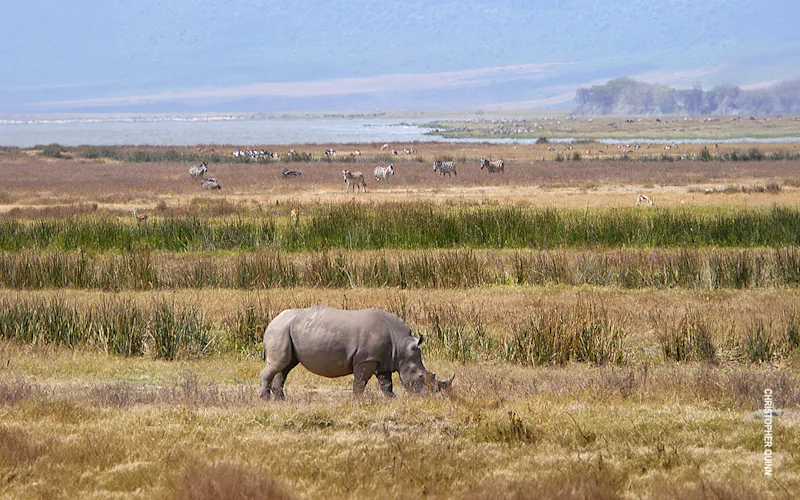
The calving season for wildebeests roughly occurs around the birthing season for elephants, lions, cheetahs, warthogs, leopards, zebras, baboons and more. So many little ones scampering all over the place makes for a woefully underrated safari sight. Have you ever seen a baby hippo?
+ Predator-Prey Action
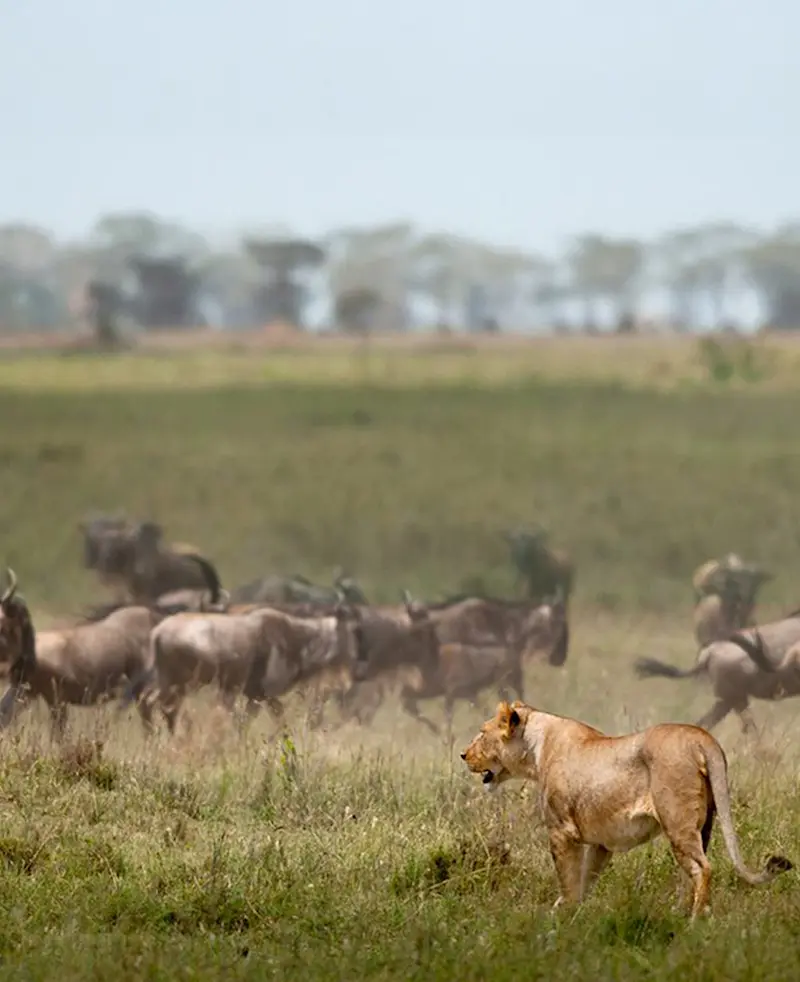
River crossings aren’t the only exciting parts of a safari! With so many stumbling babies during the calving season, there is plenty of predator-prey drama.
Mother wildebeests are fiercely protective of their young and will go to great lengths to stop predators. When danger is present, wildebeests team up to form protective barricades around the most vulnerable younglings.
Predators, such as lions, cheetahs and leopards will teach their offspring how to hunt for themselves during this time. The younglings practice on baby calves before heading off to fend for themselves.
Gallery
+ The Cuteness Factor
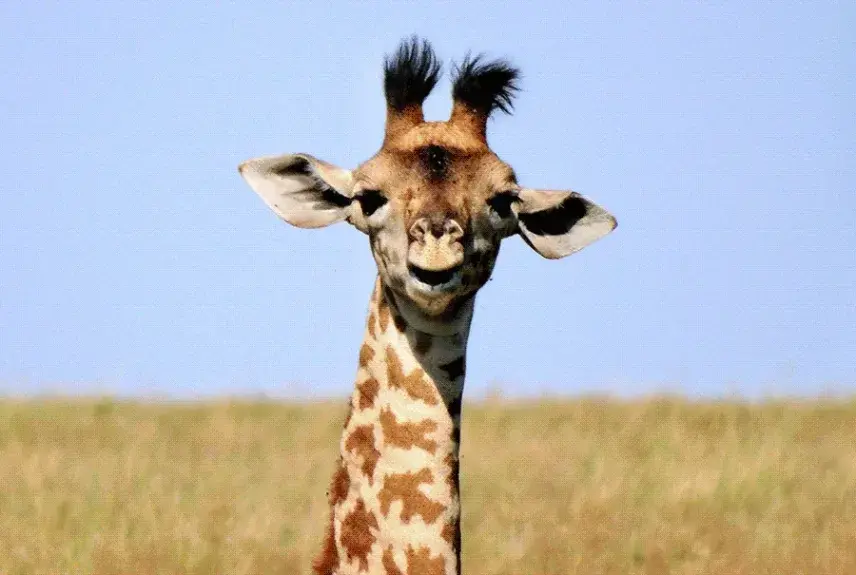
C’mon, do we need to explain this one?
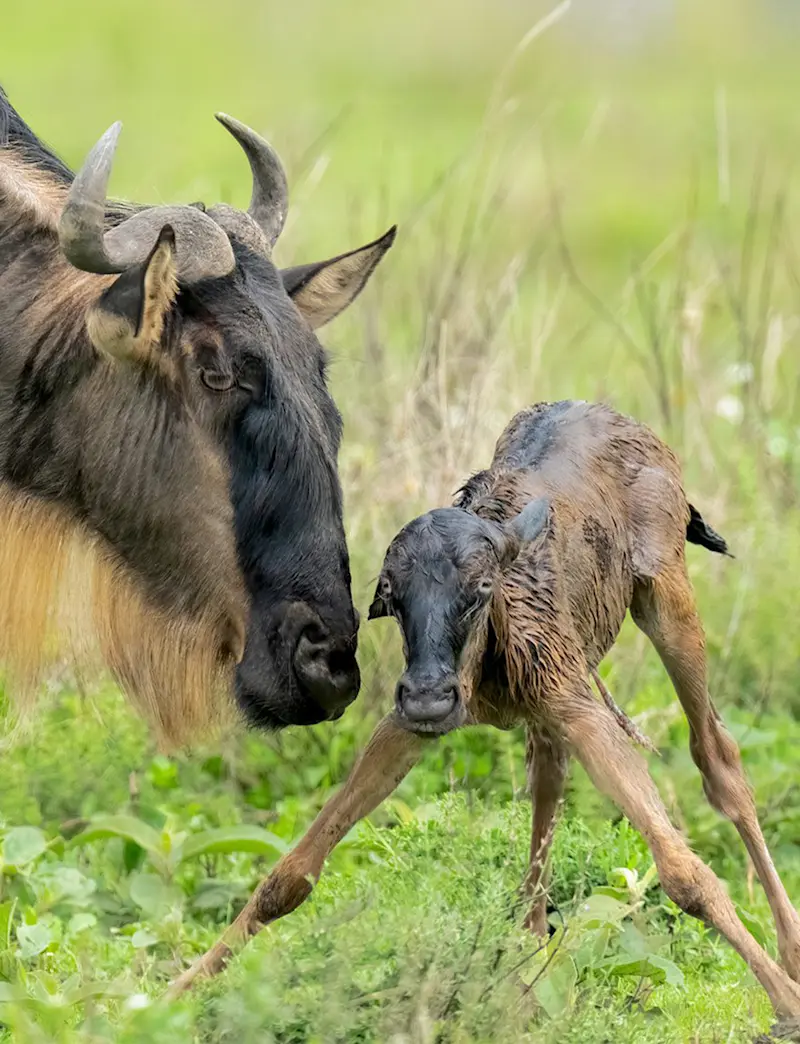
+ You’ll Definitely See Calves
Unlike river crossings, which aren’t guaranteed, you are guaranteed to see wildebeest calves on a safari in the southern Serengeti. In fact, you would have to avoid the region entirely to miss the hundreds of thousands of baby animals!
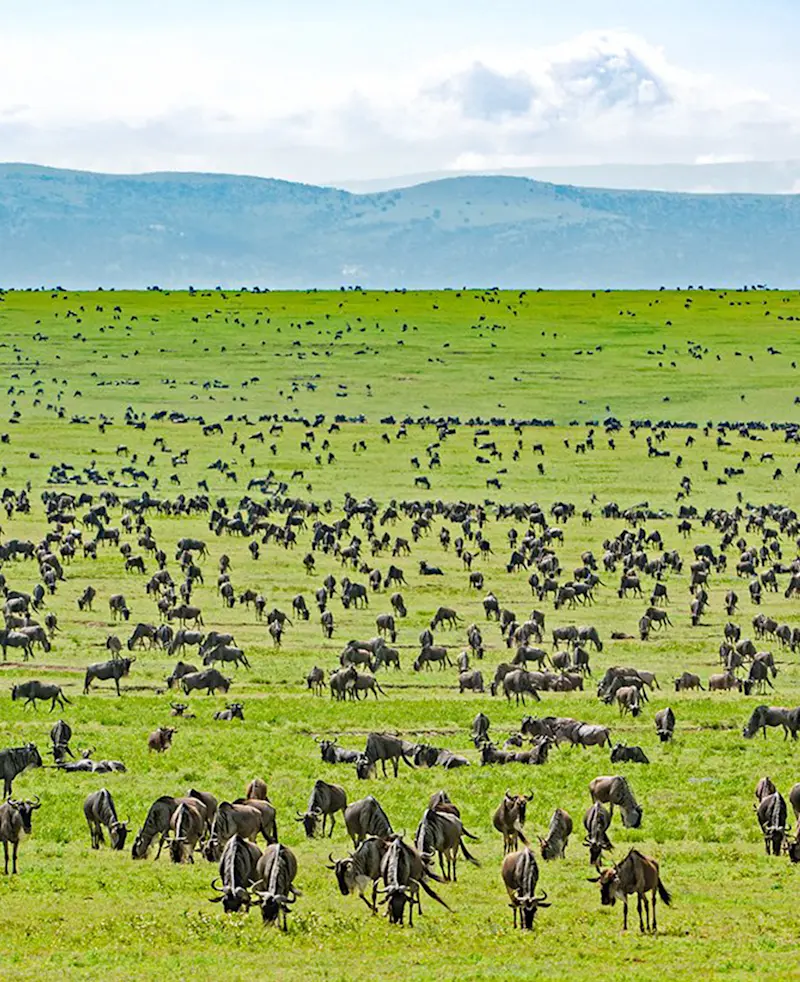
+ The Green Season
Calving season occurs during the green season in the southern Serengeti plains, when the landscapes are lush with verdant flora and the acacias are in full bloom. It offers a sight of the plains in abundance.
With plentiful food and water, wildlife from all around converges on the Serengeti to make the most of its riches. It’s here, only during the green season, that the incredible scope of the animals’ congregational habits becomes clear. Hundreds of thousands–millions–of animals converge on one region. This simply doesn’t happen in any other African country.
+ Favorite Among Veterans
Calving season isn’t always the first thing on a new traveler’s mind, but it’s a big deal to seasoned experts. A smaller traveler count means more of the Serengeti to yourself.