
About Us
Sustainable Travel
Sustainable travel at Thomson did not begin as a separate program or initiative. It grew naturally from decades of operating in Tanzania’s wild places and learning how to provide an exceptional safari experience while minimizing our impact on the landscapes that make it possible.
Growing With Purpose
Operating a camp in the bush comes with practical needs—light, water, refrigeration, food preparation and waste management. In a remote wilderness, how those needs are met matters.
Over the years, camp facilities and operations have continually evolved to use resources thoughtfully, reduce unnecessary impact and keep travelers immersed in the natural environment. The goal is simple: provide the comfort and access a great safari requires without asking more of the landscape than necessary.
Treading Lightly on Safari
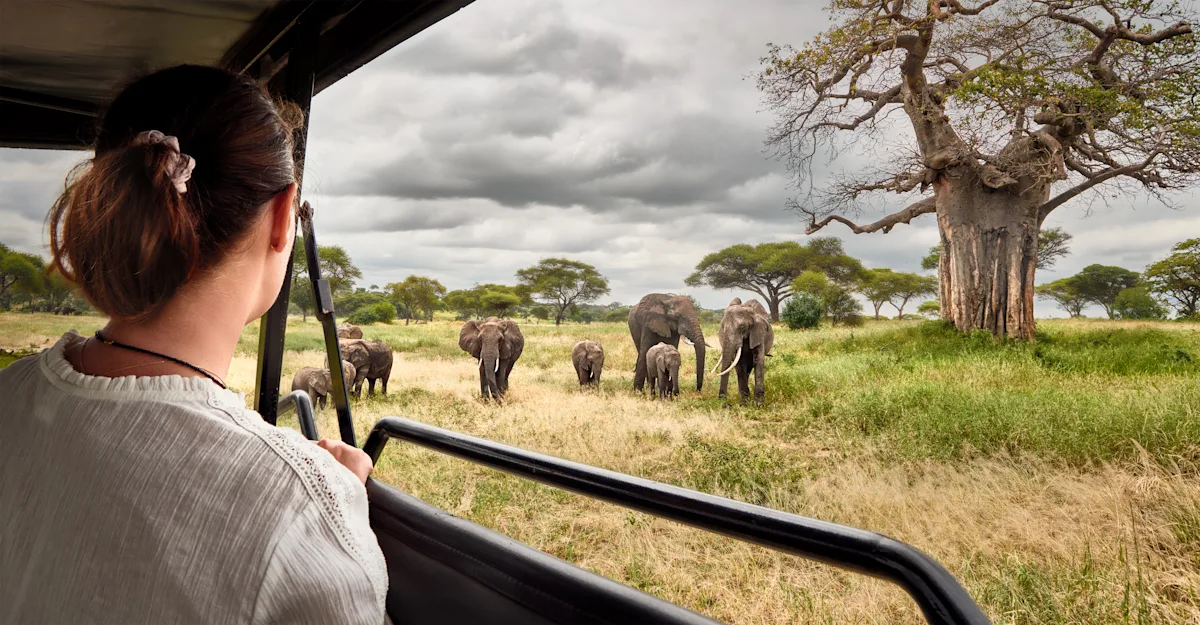
That same philosophy shapes how we travel. We design our safaris and educate our guests to minimize their impact on wildlife and ecosystems, following Leave No Trace principles throughout the journey.
That means traveling on established routes and trails, properly managing and removing waste, respecting wildlife and leaving the places we visit as undisturbed as possible.
Camps That Move With the Wild
The mobile Nyumba camps take that idea a step further. They move seasonally with the safari experience, keeping travelers close to wildlife without requiring permanent development in the places we visit.
Mobility has been part of Thomson’s safari model since the earliest days. The camps have become far more comfortable over the years, but the underlying idea remains the same: create remarkable access to wild places while keeping our footprint light.
Harnessing the Sun
In the remote bush, even something as simple as turning on a light requires careful consideration. Nyumba camps use solar energy for lighting and for charging phones, cameras and other devices, reducing reliance on generators.
Rick’s early experimentation with efficient LED systems helped make solar-powered lighting practical in the remote camps—one example of how solving the everyday challenges of safari can also lead to more sustainable ways of operating.
Conserving Water & Reducing Waste
Water is a precious resource in Tanzania, so conservation is built into the daily operation of safari camps. Waste is likewise managed with the realities of remote camp life in mind, with an emphasis on minimizing what we bring into—and leave behind in—the wilderness.
That commitment has also led us to phase out single-use plastic water bottles on safari, reducing unnecessary plastic waste across our trips.
The technology and practices will continue to evolve, but the principle behind them is much older and simpler:
Travel thoughtfully, understand the place you are operating in, and leave room for the wild to remain wild.