About Us
Conservation Roots
In Thomson’s early years, growing interest in Tanzania was beginning to reach even its most remote corners.
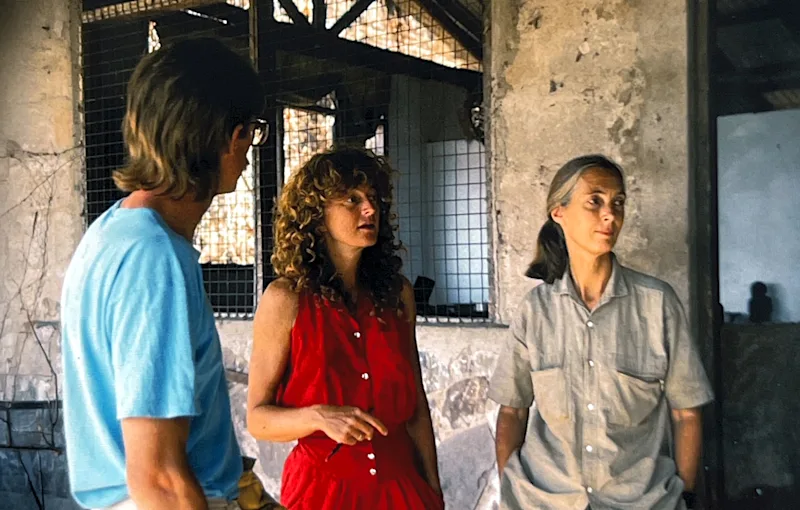
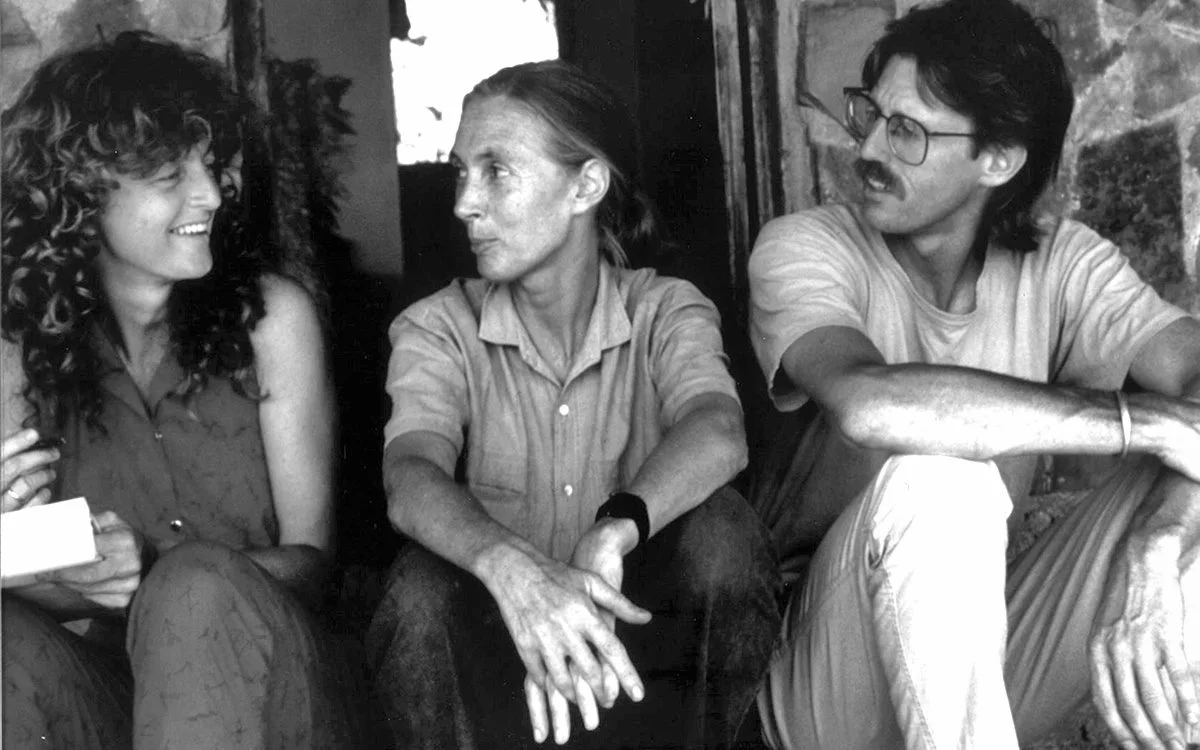
At Gombe Stream, Jane Goodall’s research with wild chimpanzees was drawing increasing attention. Rick and Judi were concerned about what more visitors might mean for the animals and the research taking place there, and they began talking with Goodall about how tourism could develop without disrupting either.
Rick, Judi and Jane met more than once to consider how people might experience Gombe while respecting the chimpanzees and the scientific work that had brought the place to the world’s attention.
It was an early encounter with a question that still sits at the heart of nature travel:
How can people experience an extraordinary wild place without overwhelming what makes it extraordinary?
Jane remained a personal and enduring part of Thomson’s story, but the larger lesson went far beyond one relationship: access to wild places comes with responsibility.
Protecting Wild Places
That belief has continued to shape Thomson as the company has grown. The awe-inspiring wildlife is probably why you’re venturing on safari—and protecting the animals, habitats and communities that make these experiences possible is incredibly important to us.
One of the most significant expressions of that commitment is a 10,000-acre private nature refuge in the Eastern Serengeti, established through an investment by Thomson’s founders to help protect the region’s wildlife and habitat.
Within the first three years, animal populations more than doubled, with wildebeest, giraffe, ostrich, eland, aardvark, bat-eared fox and zebra among the species regularly spotted there.
Conservation Beyond Wildlife
The refuge protects more than animals. It includes one of the last remaining pencil cedar forests and has created employment and educational opportunities for local communities. A conservation trust bringing together global leaders and local elders is helping establish a self-sustaining plan to protect the land for years to come.
That commitment extends beyond the refuge. Thomson proudly partners with the African Wildlife Foundation (AWF) to help ensure tourism benefits the people, land and wildlife of Tanzania.
The particulars of conservation work may change from place to place, but the responsibility does not. Wildlife tourism depends on healthy landscapes and thriving communities, and protecting them is part of protecting the future of safari itself.