Most people picture the Serengeti as one place. In reality, it’s an ecosystem the size of Connecticut, and no two corners of it feel the same. Mention “the Serengeti” to most travelers and they’ll picture the classic postcard: endless golden grass, a lion in profile, maybe a hot-air balloon drifting over the plains at sunrise. That’s real, and it’s wonderful. But it’s also just one chapter of a much longer story.
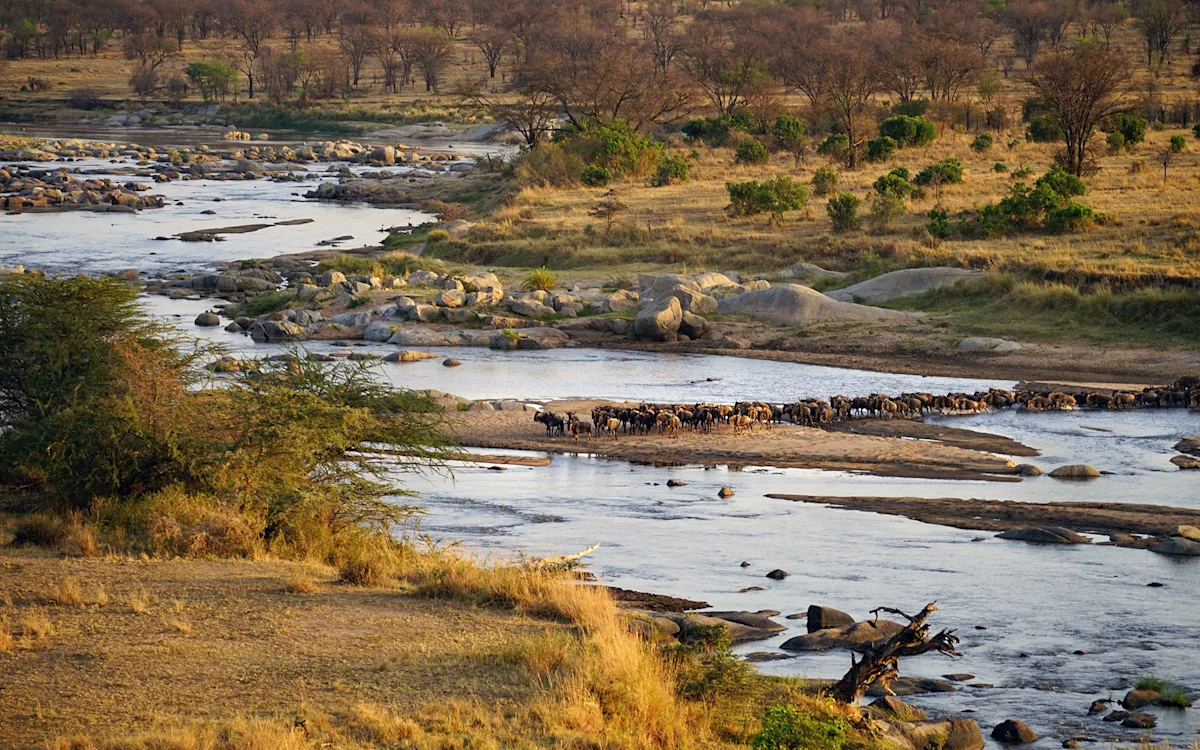
Farther west, away from the more frequently traveled routes, lies a quieter corner of the Serengeti waiting to be discovered. Here, the plains meet the winding Grumeti River, where riverine forests and dense woodlands create a different setting for wildlife encounters. This is the Western Serengeti — a diverse, richly textured corner of the park that few travelers ever reach.
A Different Kind of Wild
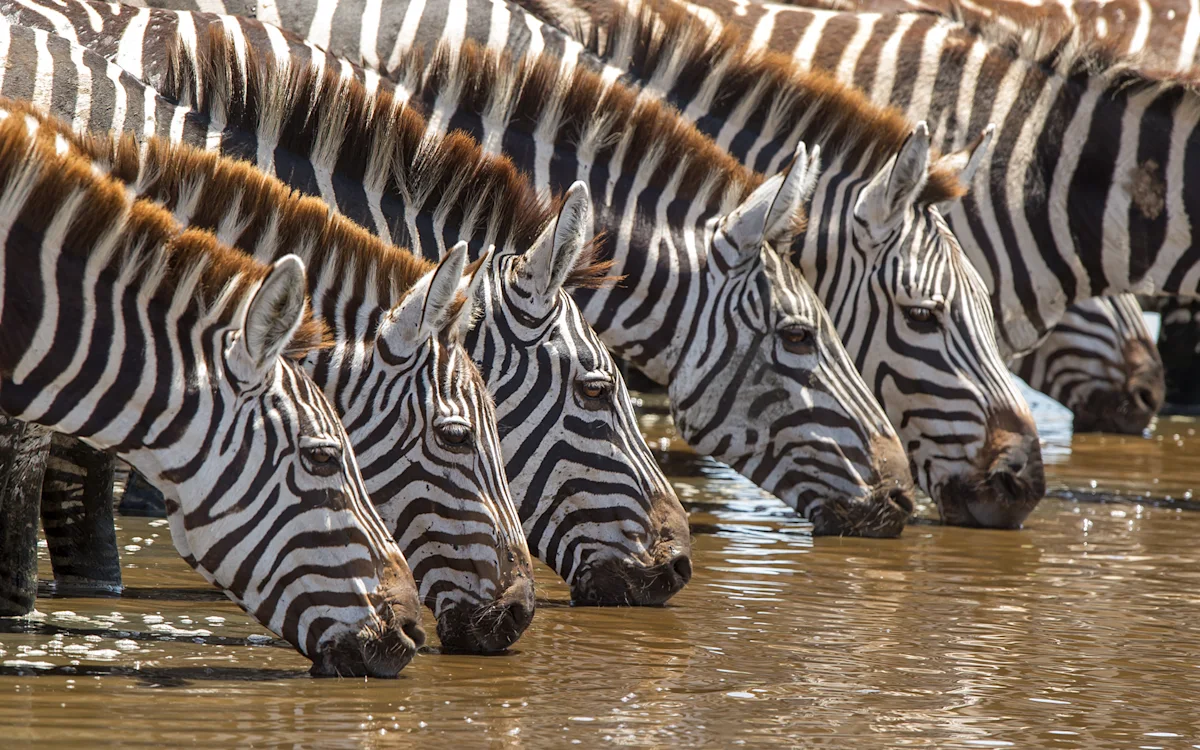
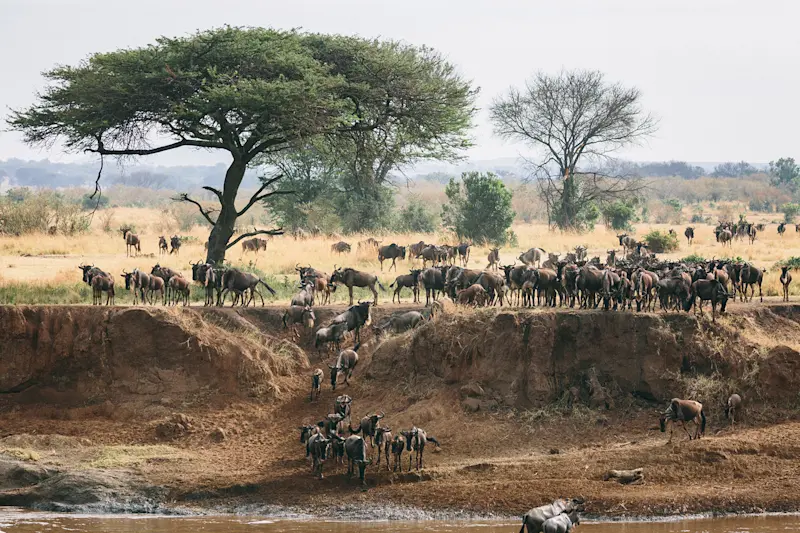
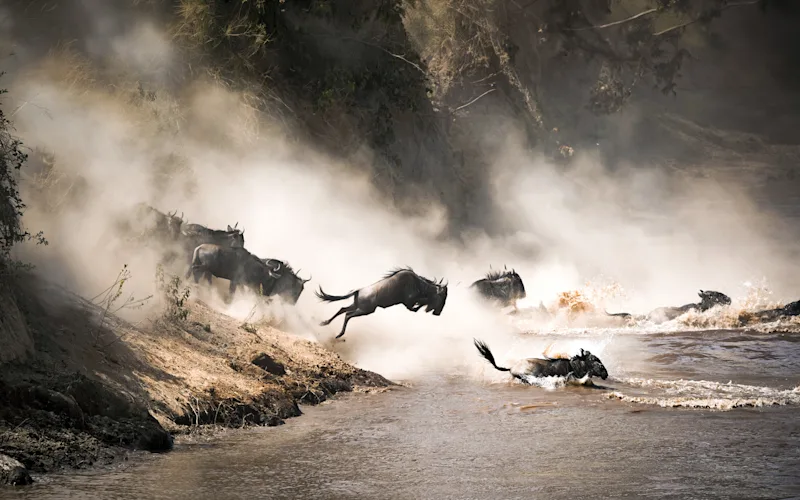
The Western Corridor has a rhythm all its own. Sightings feel unhurried and personal. The Grumeti River corridor supports resident wildlife year-round, not just the seasonal drama of the Great Migration. That said, when the herds do funnel through here on their way north, the potential for a river crossing adds another layer of drama to an already remarkable wildlife experience.
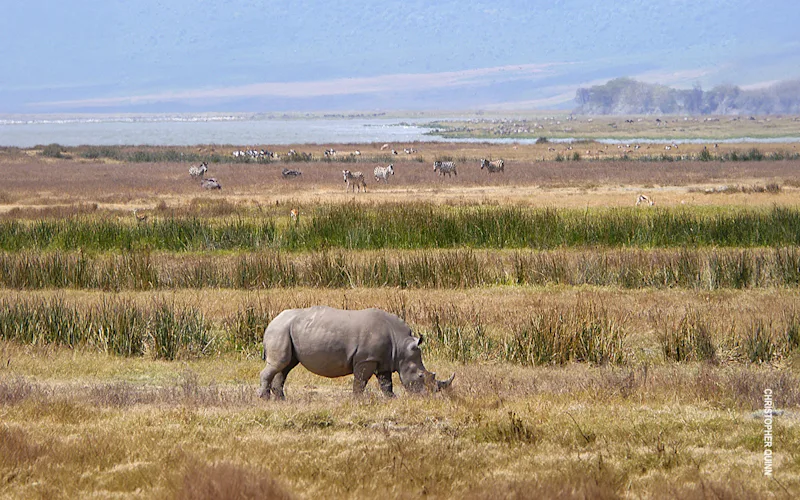
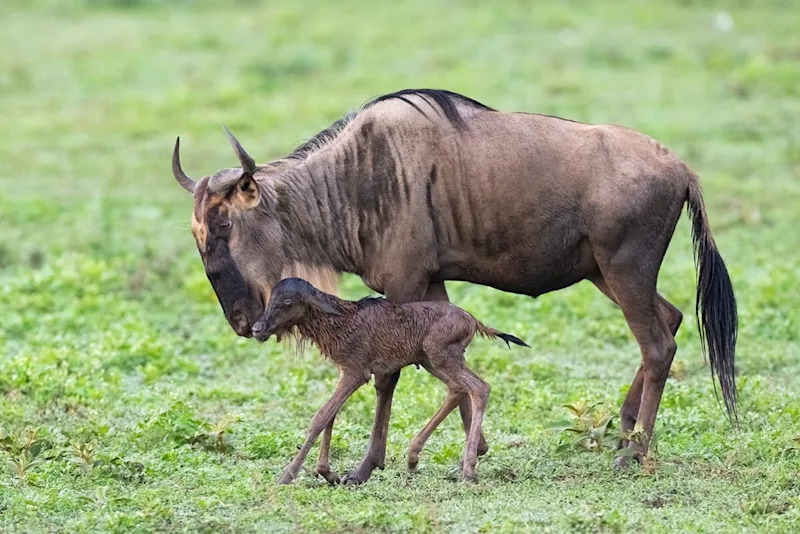
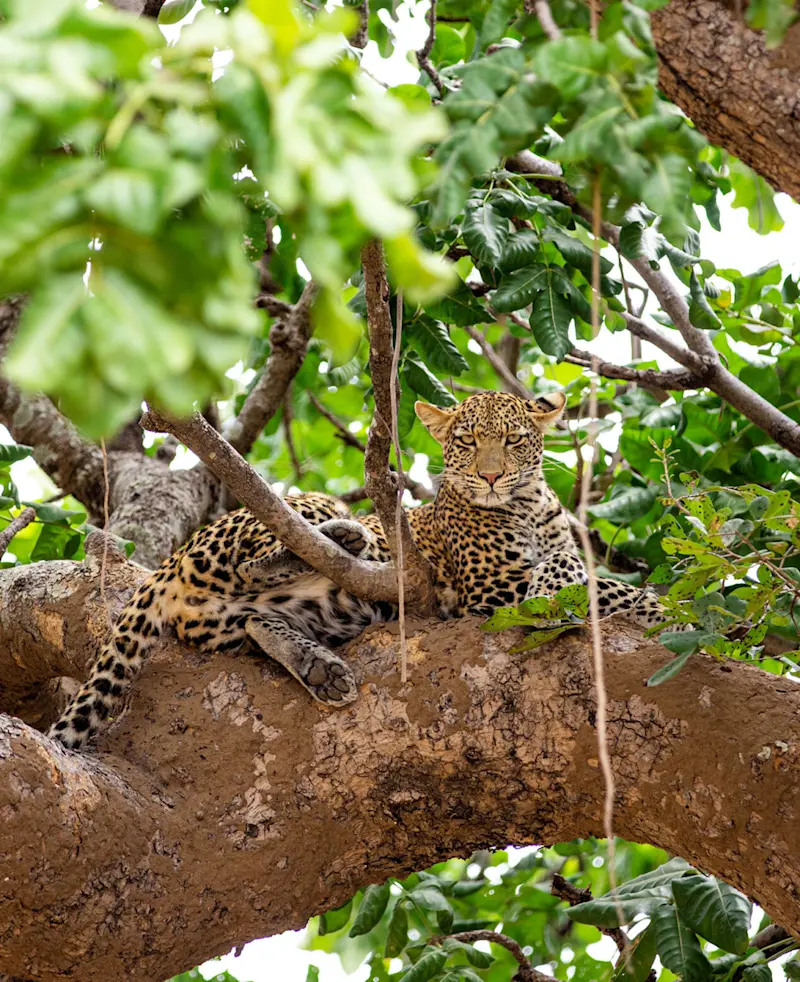
Leopards are a frequent highlight here, often spotted draped in the branches of a sausage tree or riverine fig. Add in healthy populations of lion, cheetah, elephants, wildebeest, and zebra, and you have a landscape that rewards patience and curiosity over checklist safari-ing.
Camp Life in the Serengeti's Wild West
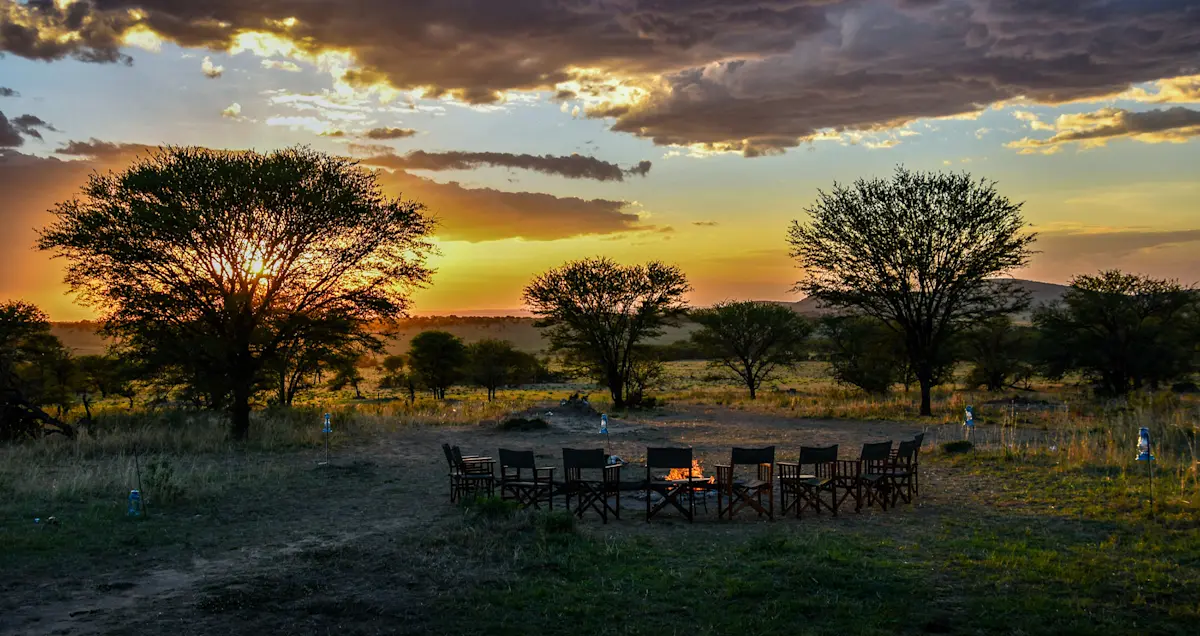
The new Western Serengeti Nyumba Camp puts you right in the rhythm of a wilder, less-traveled side of the park. Here, you can head out at dawn to watch a herd of elephants completely on your own, and fall asleep to the sounds of wildlife moving through camp at night. Spacious walk-in tents with en-suite bathrooms, a private lounge overlooking the plains, fresh homemade meals, and a staff that goes above and beyond make it effortless to feel at home right in the middle of the wild.
Gallery
Why It’s Worth the Journey West
It would be easy to treat the Western Serengeti as a bonus stop, tacked onto the end of a trip. But it’s better understood as a payoff, the reward for a safari built with depth in mind rather than a rush to check off famous names. Ecosystems this large aren’t meant to be sampled in a single location. The Western Corridor adds its own dimension: solitude, a different rhythm of wildlife viewing, and landscapes that feel discovered rather than visited.
Gallery
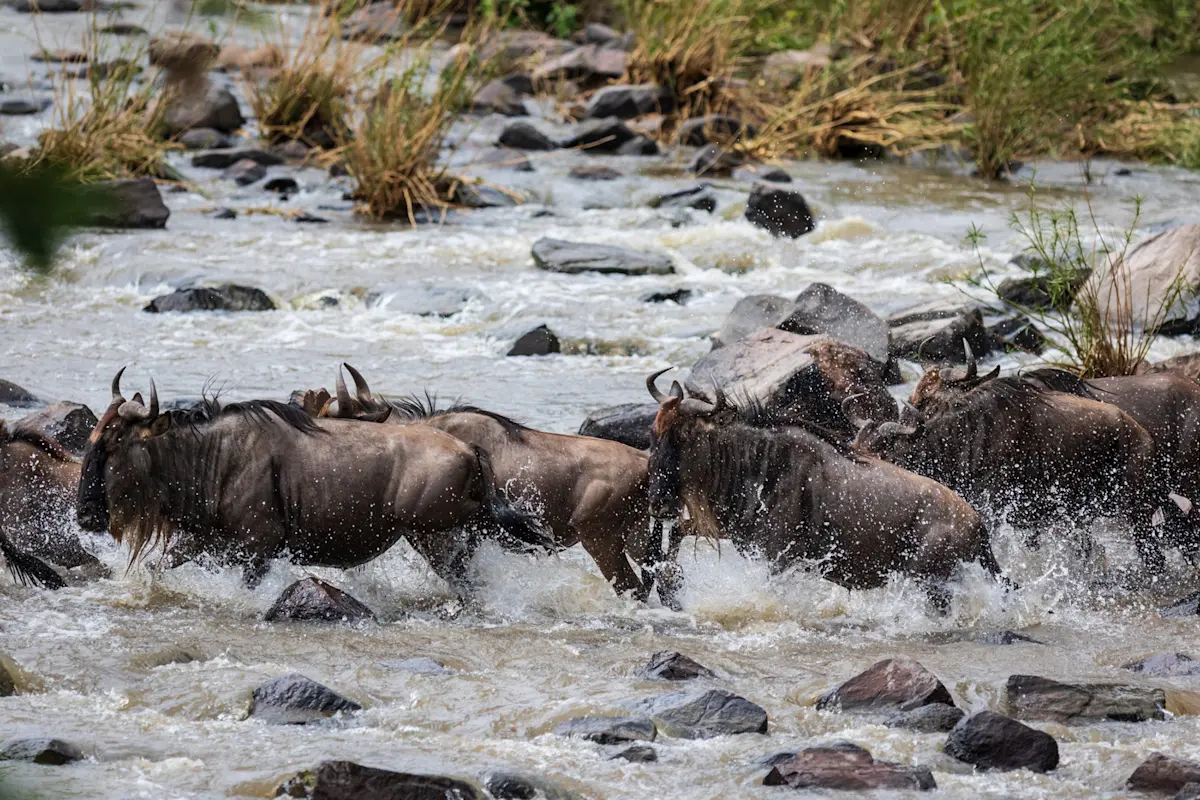
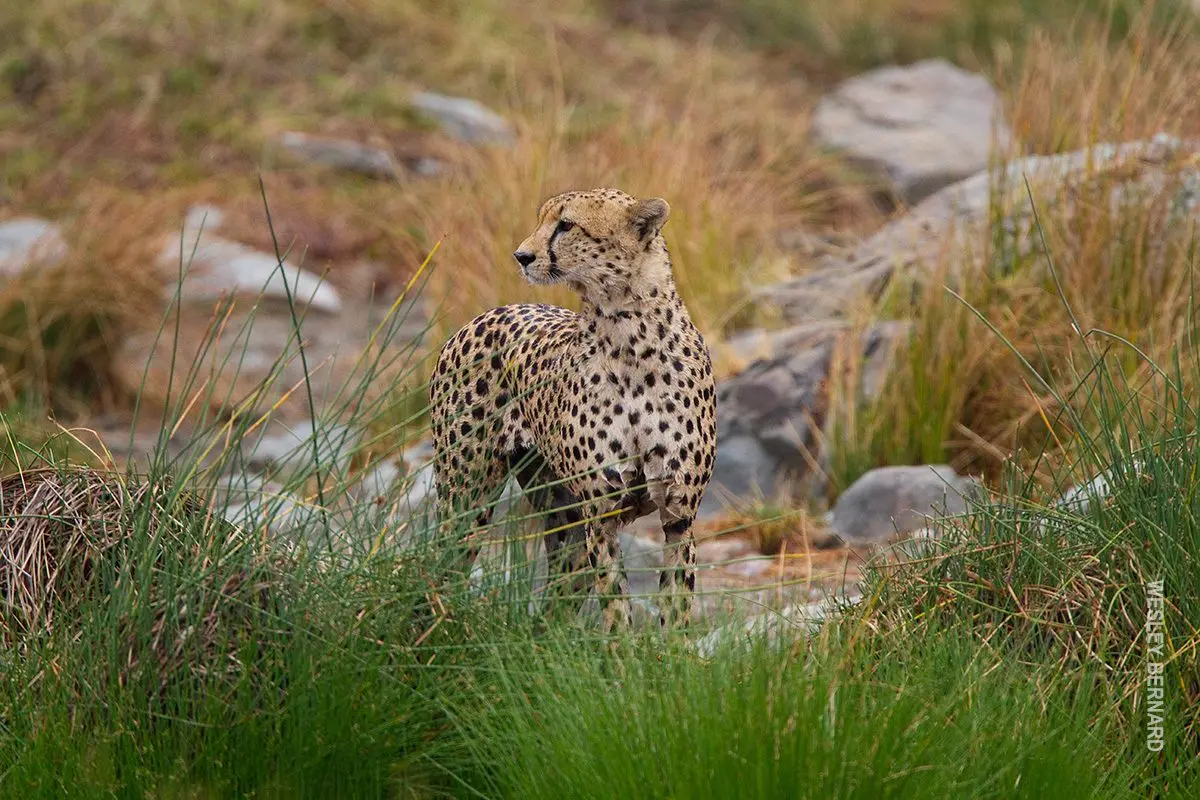
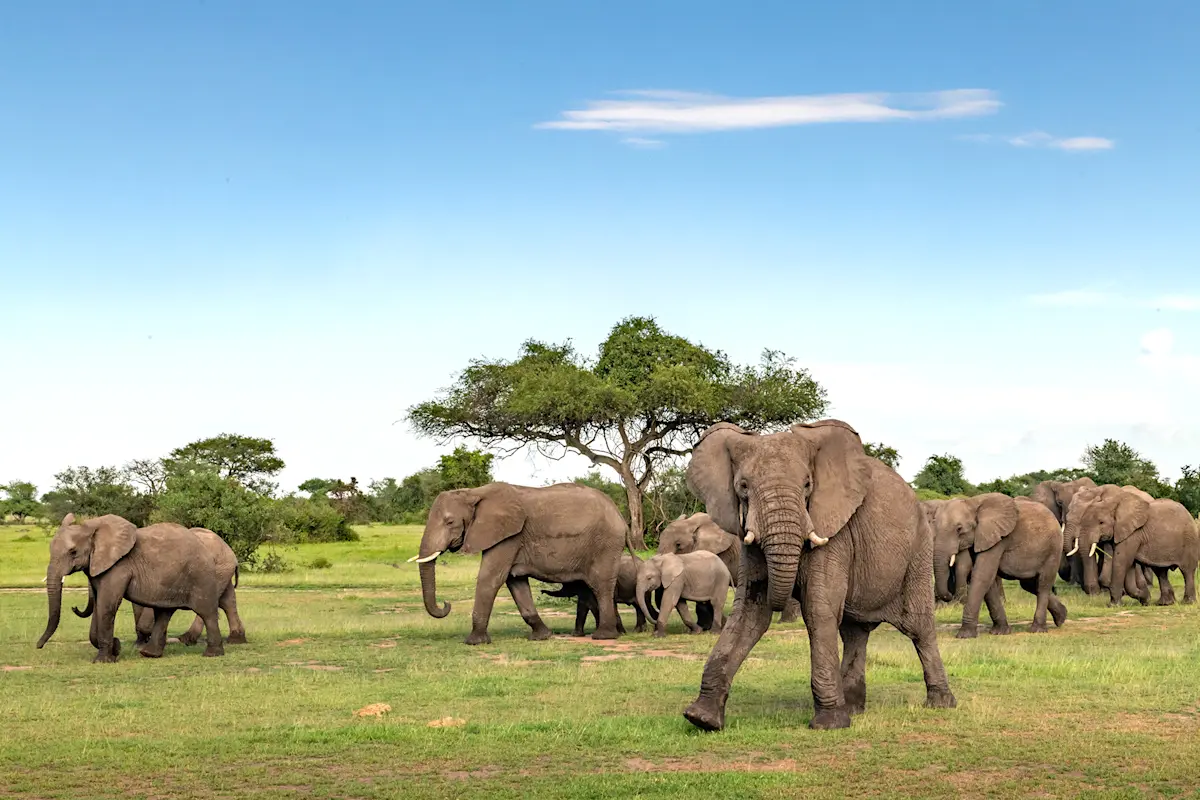
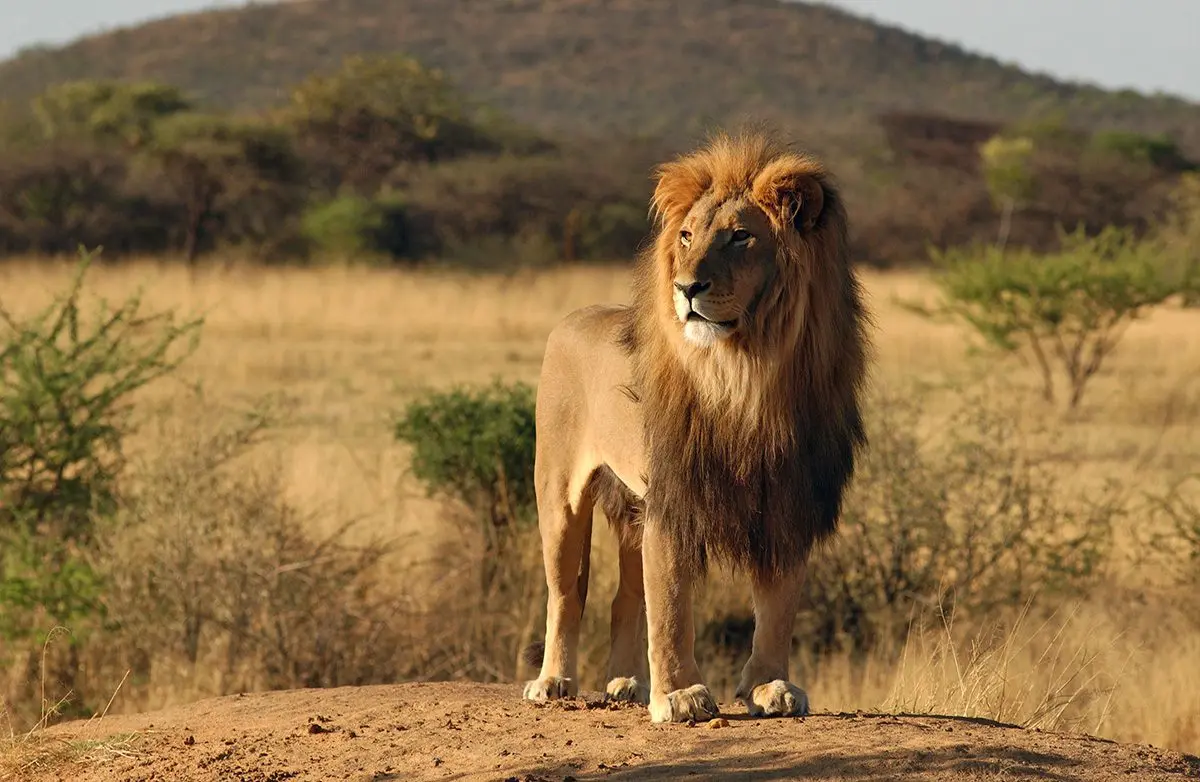

Photo 1 of 7
Experience It on the Serengeti Horizon Safari
This is exactly the arc that the Serengeti Horizon Safari is built around. Rather than skimming the surface of multiple ecosystems, this 10-day journey moves deliberately west through the Serengeti, from the private Eastern Serengeti Nature Refuge, into the classic plains of Serengeti National Park, and finally into the Western Corridor along the Grumeti.
And while the Serengeti Horizon Safari is designed to explore these western reaches in depth, it’s not the only Thomson safari that ventures this far west.
Along the way, you’ll track the Great Migration, search for all of the Big Five, and spend your final days on safari somewhere most travelers never reach: the quiet, wildlife-rich heart of the Western Serengeti. It’s a single-ecosystem safari designed to go deep rather than wide, ending not with a whirlwind, but with the kind of stillness and discovery that stays with you long after you’ve left the bush.
Ready to explore the Serengeti the way it deserves to be seen?
Explore the Serengeti Horizon Safari, with time to venture into the Western Corridor and experience a side of the Serengeti few travelers ever see.