Travel in the off-season anywhere in the world, and you’ll be rewarded with the usual perks like fewer crowds and affordable prices. Safaris in the green season provide these perks without sacrificing the benefits of the high-season – it’s one of the most underrated times to go on safari.
What’s it Like?
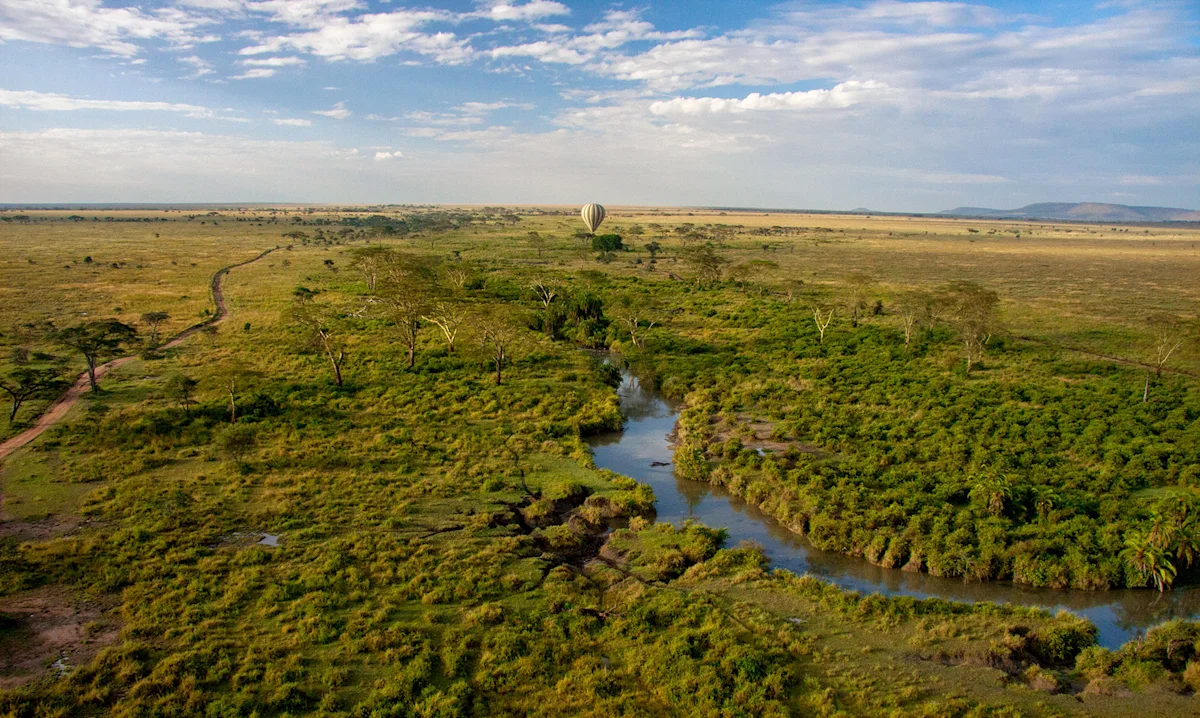
From roughly November to May, the green season brings out a side of the Serengeti that is slightly different from what you might imagine. From an amber-tinted, dry, and dusty earth sprouts a life-giving, verdant landscape just waiting to be explored.
Will I See as Many Animals?
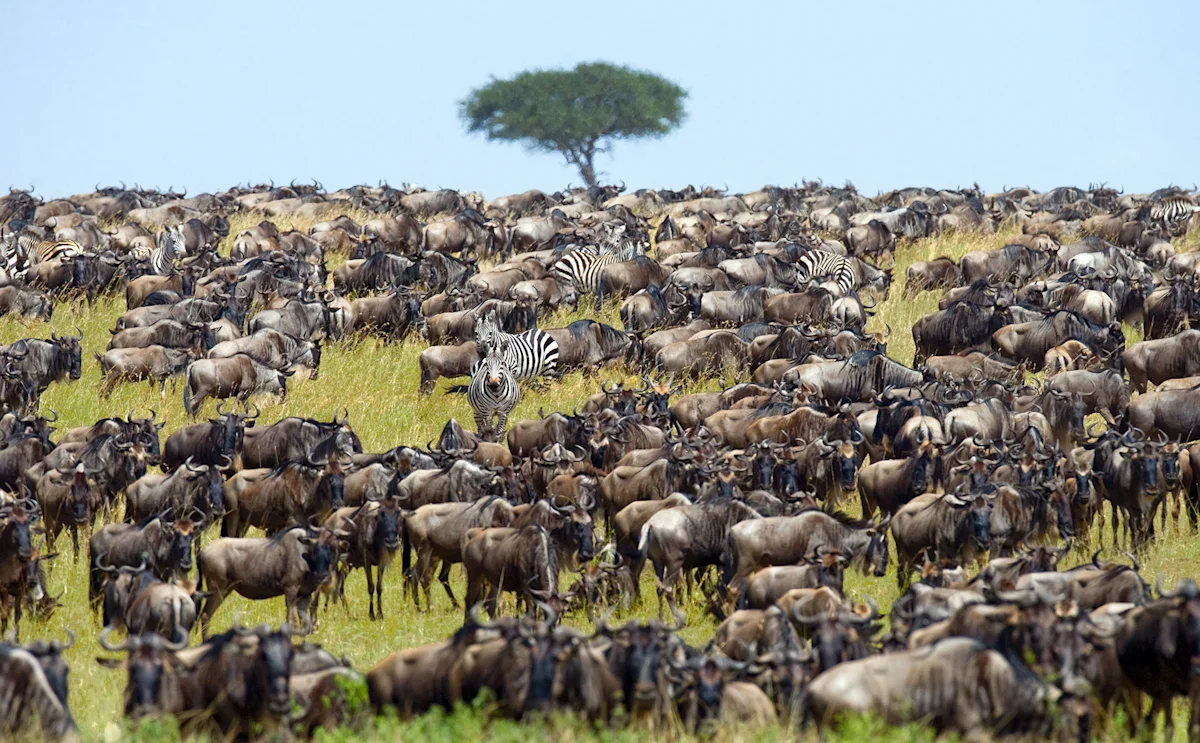
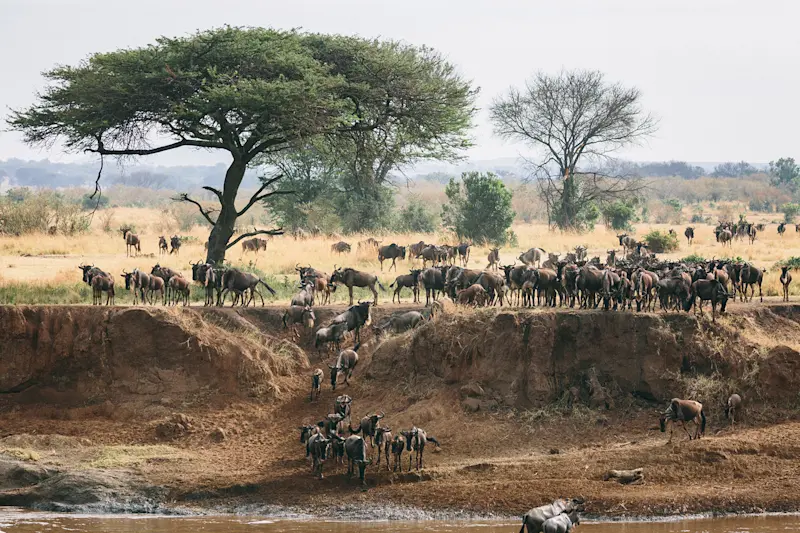
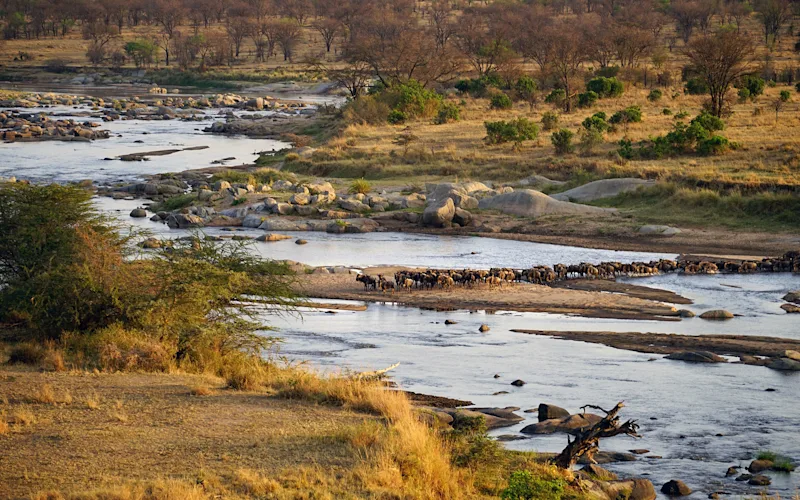
Yes! The Serengeti is teeming with wildlife any time of year. In fact, during the green season, you’re likely to see more animals than you would during a different time of year due to the timing of the Great Migration’s calving season.
Thomson’s Southern Serengeti Nyumba Camp places you in the heart of the action. You’ll be well-positioned to enjoy wildlife as far as the eye can see.
That’s a Lot of Baby Wildebeest!
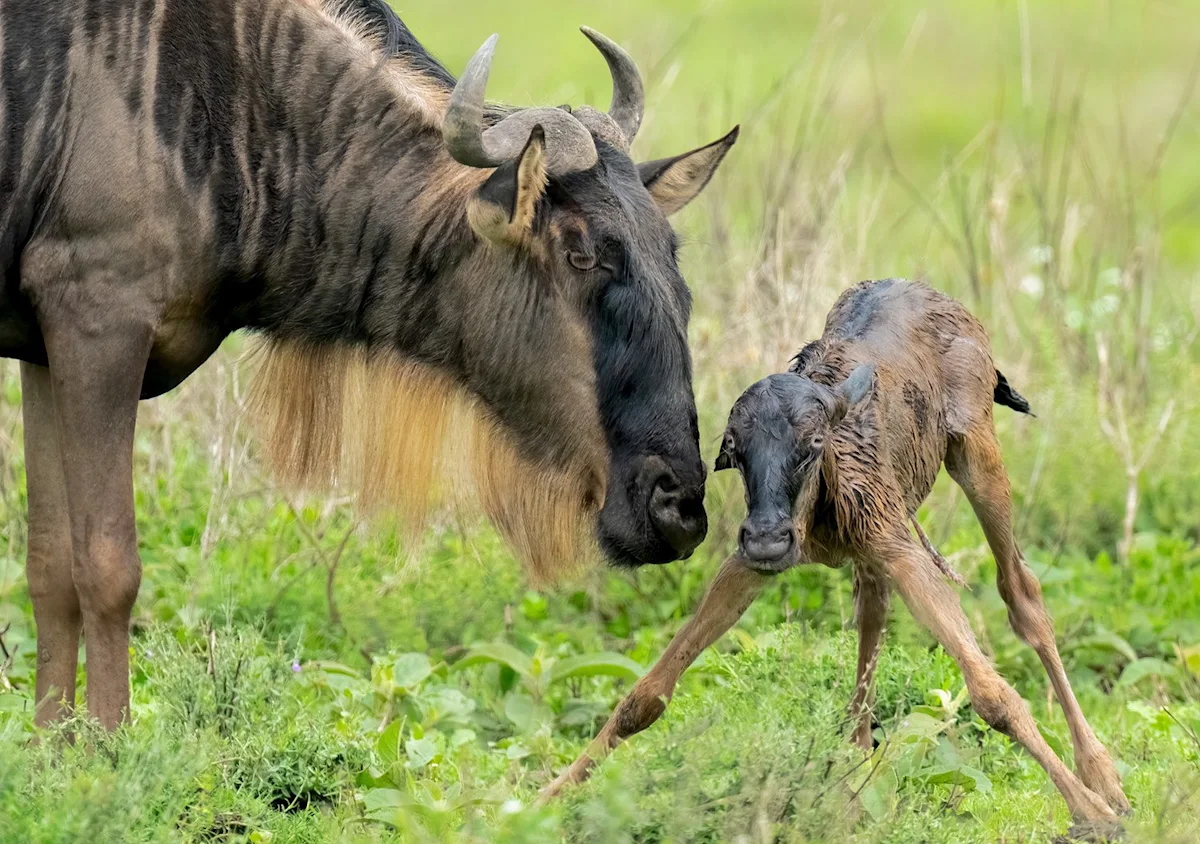
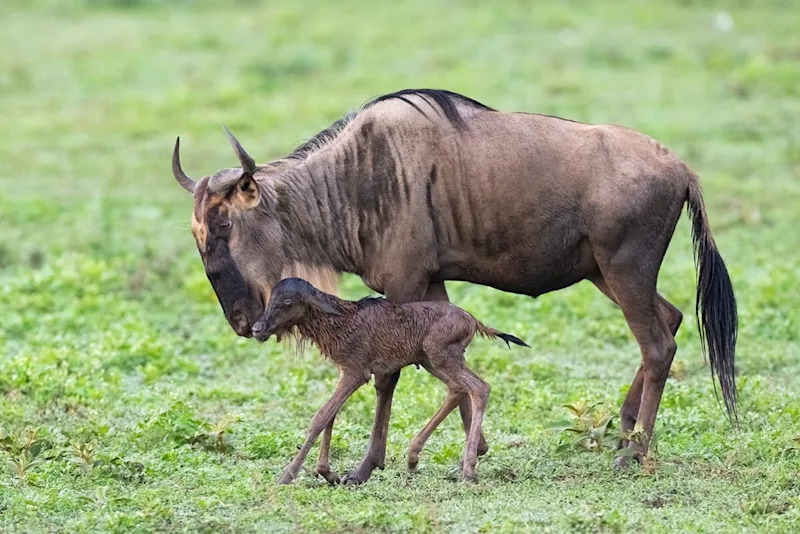
The green season is also calving season for the herds of the Great Migration, where hundreds of thousands of wildebeest calves are born from January to March. During that period, nearly 8,000 – yes, you read that right, 8,000 – calves are born each day. The herds remain in the southern plains while the calves graze and build up their strength to begin their journey north. Before they do, though, they’ll steal plenty of safari-goers’ hearts.
It’s Go-Time for Predators
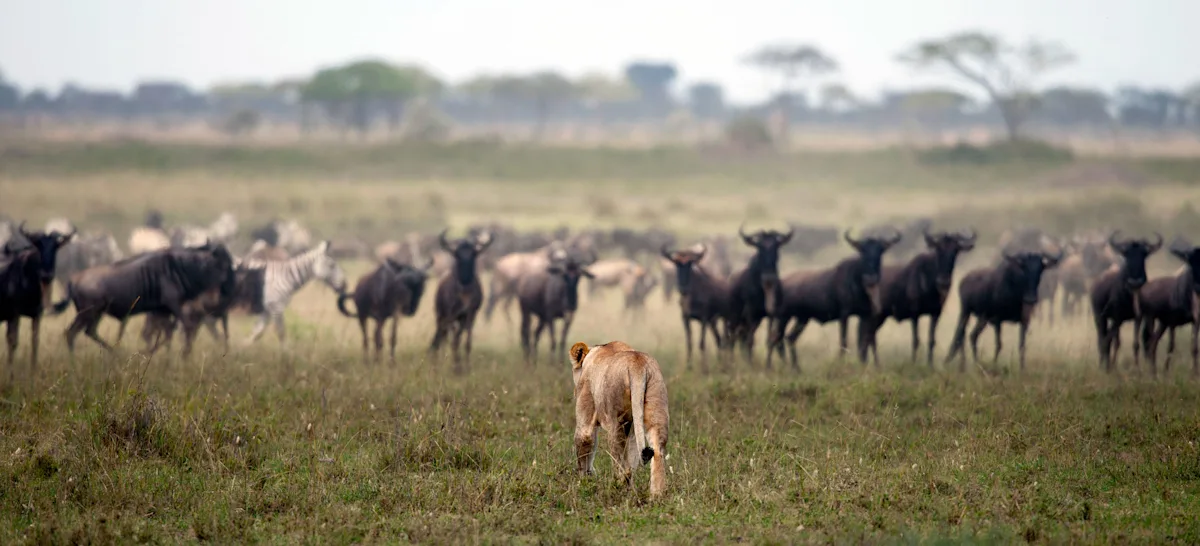
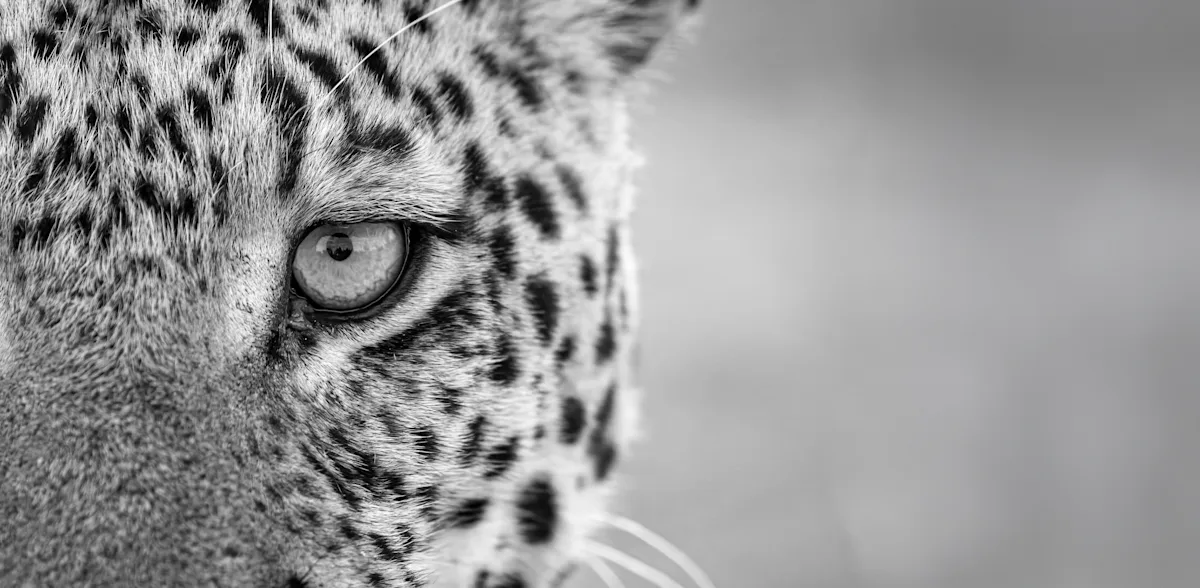
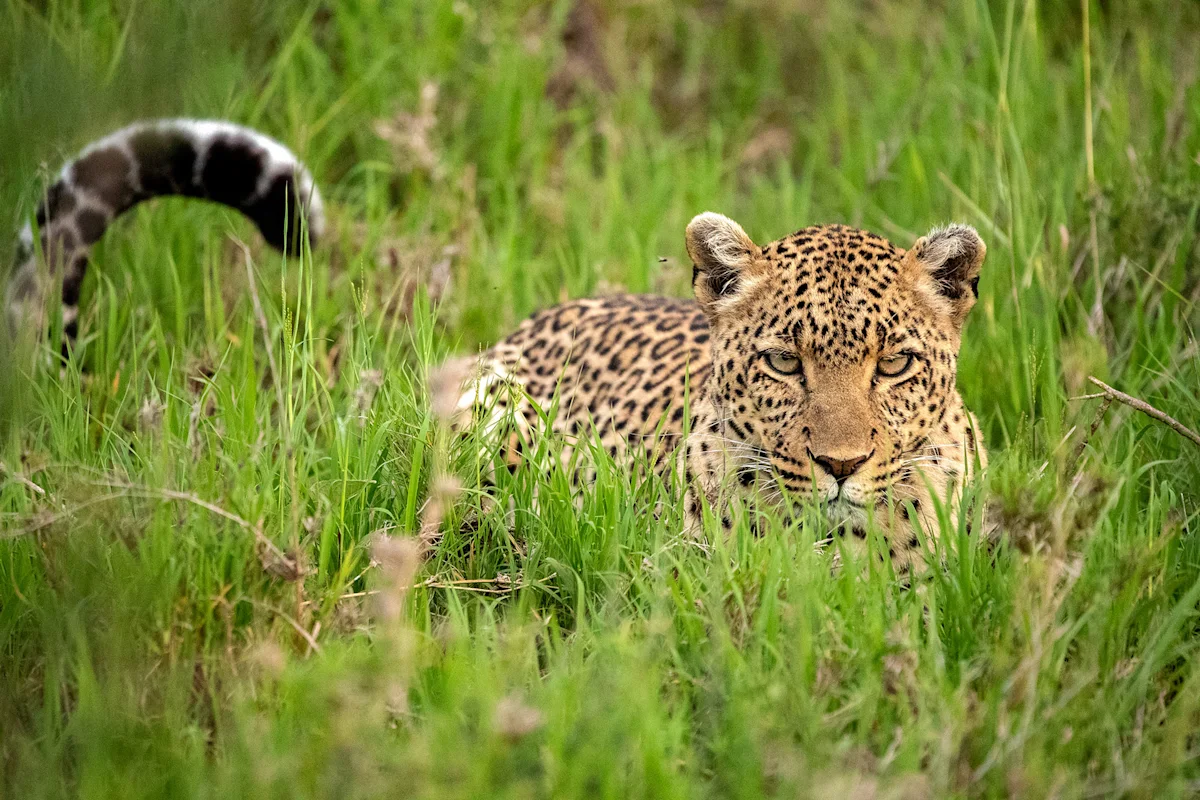
The massive influx of animals means one thing to the Serengeti’s most fearsome residents: the dinner bell has rung. Lions, hyenas, and leopards use the tall grasses as cover and are granted many opportunities to hunt. The chances of witnessing predator-prey interactions increase during the green season – get your cameras ready!
Gallery
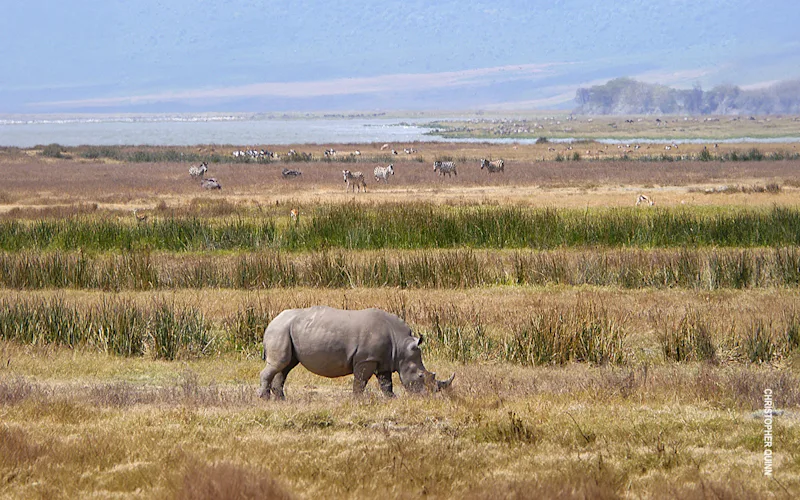
We’d recommend the green season based on the wildebeest calves alone, but calving season also coincides with the birthing season for many other species, including cheetah, elephant, warthog, leopard, lion, zebra, baboon, and more. Watching young animals interact with their mothers or siblings will undoubtedly keep you glued to the scene.
If you want the best chance to get photos like these, the green season is for you.
Landscapes and Skyscapes
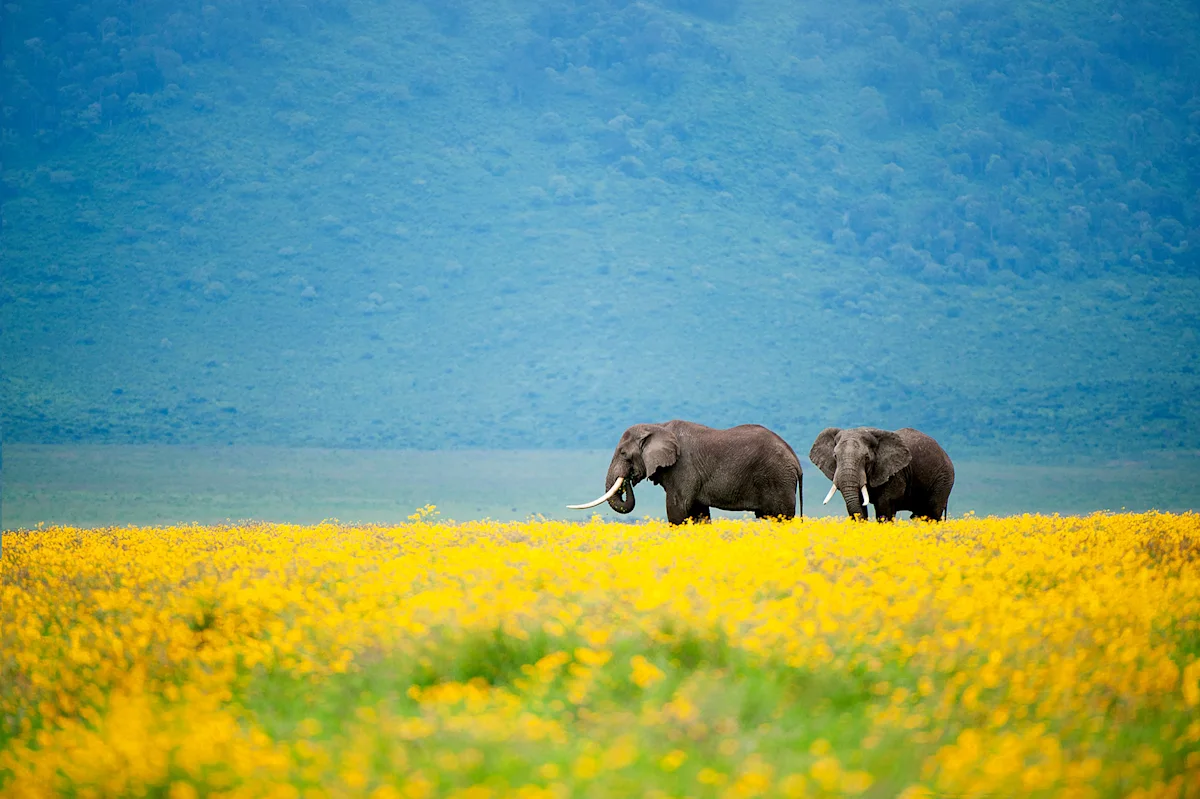
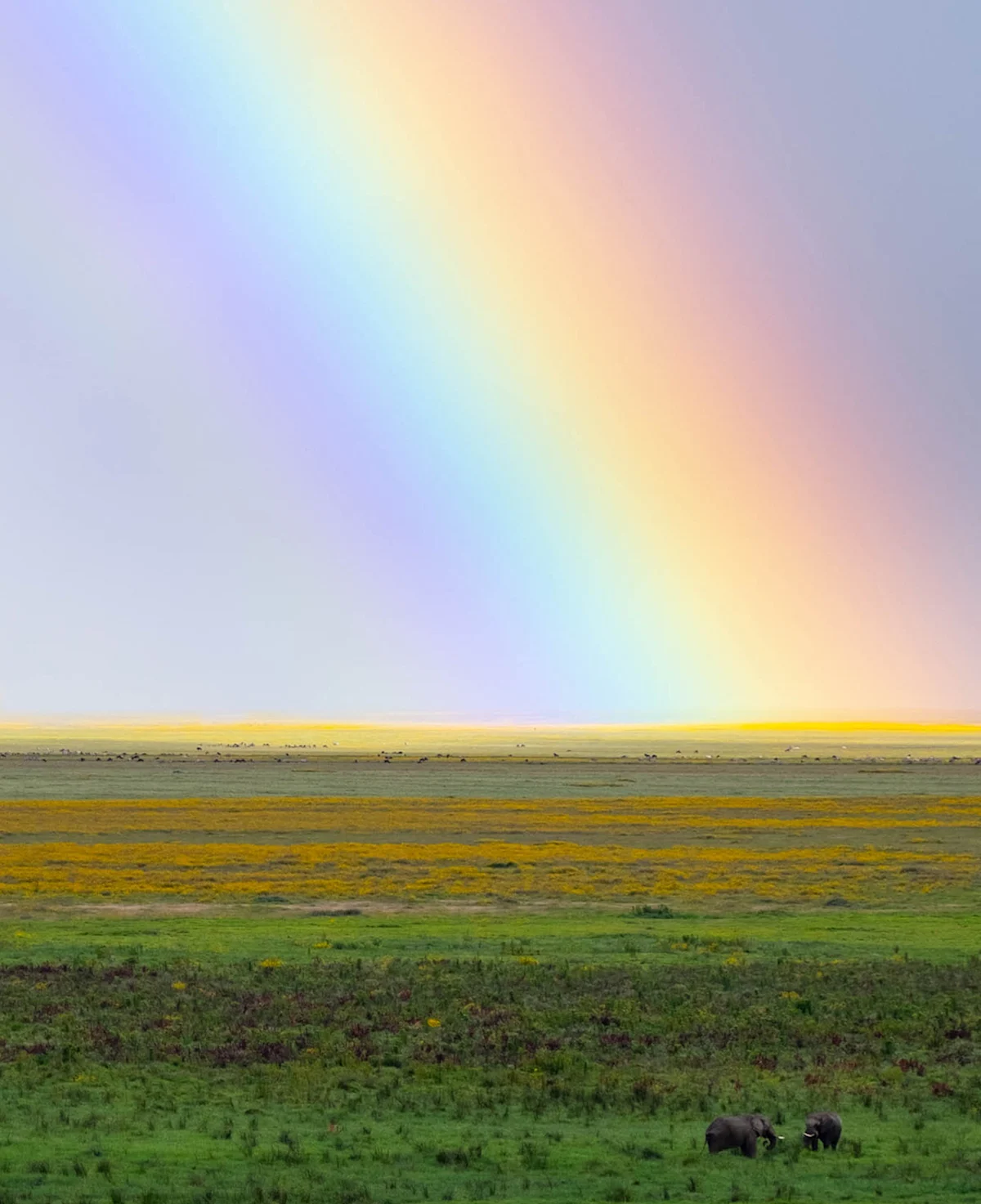
Dramatic skies with a rainbow or sunbeams poking through the clouds make this season a gift to experience. Add the occasional carpet of wildflowers, and it’s a photographer’s dream! Many shutterbugs are relieved the dust of the dry season has been tamped and won’t affect image clarity.
This is a Must See!
The green season is more than the Serengeti’s “off-season.” It’s Mother Nature’s symphony, where the verdancy of the land harmonizes with the vivacity of the wildlife.