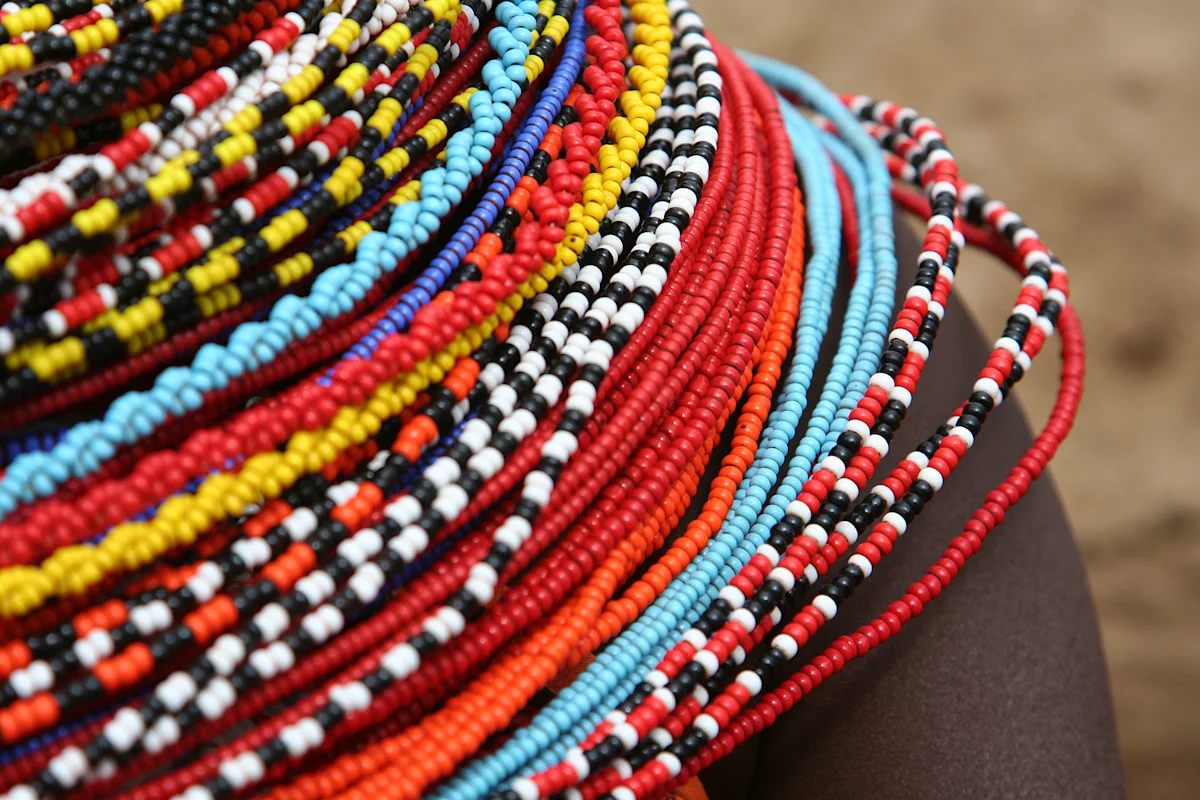
Many of our guests are fascinated by the beautiful Maasai beadwork they find on safari in Tanzania. The beadwork is used to create accessories like necklaces, bracelets, pendants, anklets, belts, and sandals, as well as home décor and a number of household tools.
These make great gifts for loved ones back home, and not just for their beauty. Maasai beadwork is a cultural practice with great importance and symbolism to the community of East Africa. Here are some interesting facts about the longstanding tradition:
1. The beaded ornaments represent Maasai cultural values and traditions.
The practice is done specifically by women, and it’s considered their duty to learn beadwork. These products are for both men and women, and they’re used in cultural practices such as weddings, rituals, and community events.
2. Maasai beadwork has been in existence for hundreds of years.
The tradition of Maasai beadwork dates back hundreds of years. It became significant and known to the rest of the world in the 19th century after trade with other tribes.
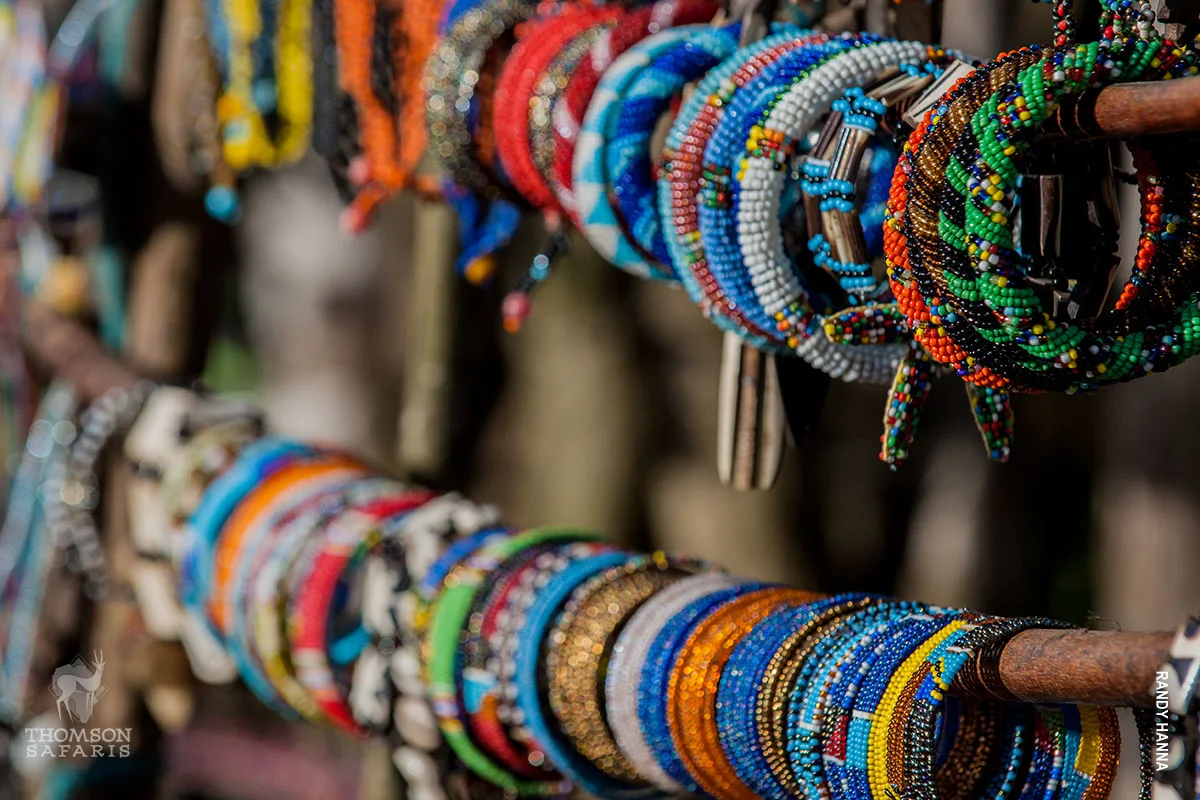
3. Beads weren’t the original material used.
Initially, Maasai women used dried grass, sticks, clay, seeds, and shells as materials to make the traditional ornaments. Over time, they began using attractive beads made of plastic and glass that they obtained from other communities through trade.
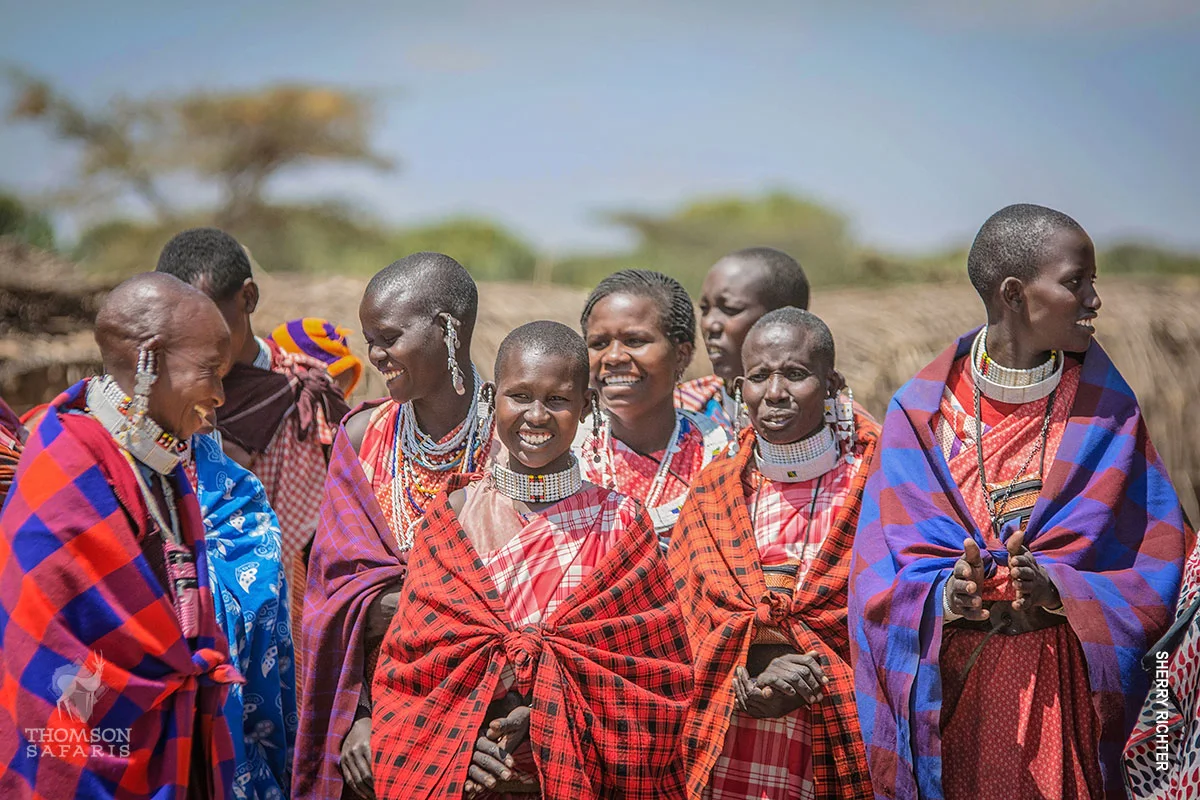
4. Maasai beadwork is worn according to the age and social status of an individual.
Unmarried females wear large flat beaded discs around their neck when dancing as a sign of grace and flexibility. A woman getting married wears a very elaborate and heavily beaded neck piece on her wedding day, and once married, she wears a long necklace with blue beads. Those of a higher social status wear more colorful beads.
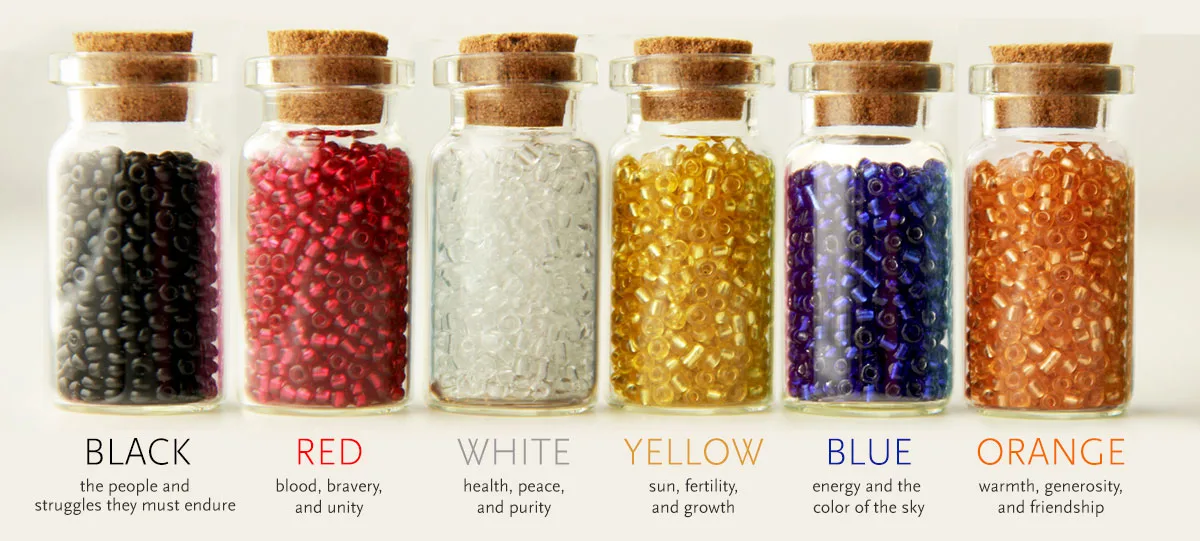
5. Different colors hold special meaning.
There are a number of different colors used in Maasai beadwork, and each one holds a special meaning: red signifies blood, bravery, and unity. White represents health, peace, and purity. Blue is the color of the sky and represents energy, and green is the color of grass, which signifies the land and production. Black represents the people and the struggle they must endure. Yellow symbolizes the sun, fertility, and growth, and orange represents warmth, generosity, and friendship.