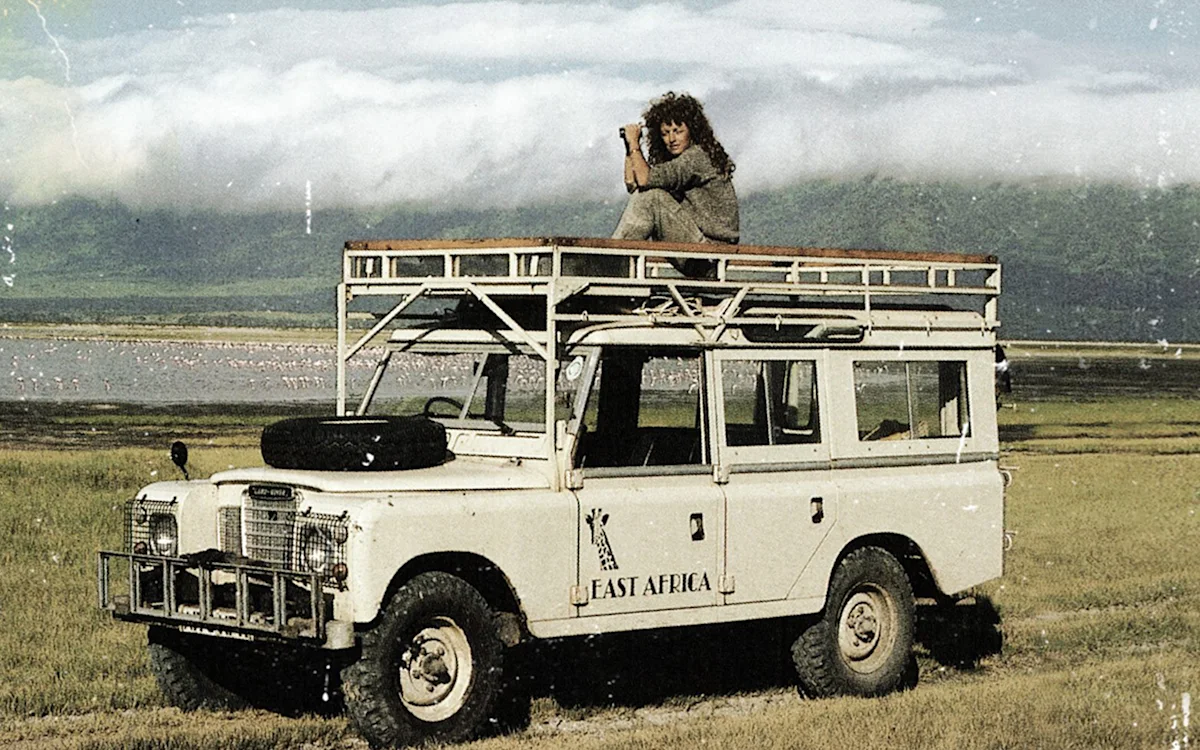
Campfire meals, tiny A-frame tents and gargantuan trucks: these were the facts of life for visitors to Tanzania in the 1980s, when safari travel was in its infancy.
Even though safaris today are more comfortable than ever, some things never change: whether you slept in a sleeping bag on the ground or in a walk-in tent with ironed sheets, you still wake up to the same incredible Tanzanian wilderness.
In celebration of forty five years of Thomson Safaris, let’s dive into the archives and see just how much safari travel has changed since the early days.
Camping
Camping Then
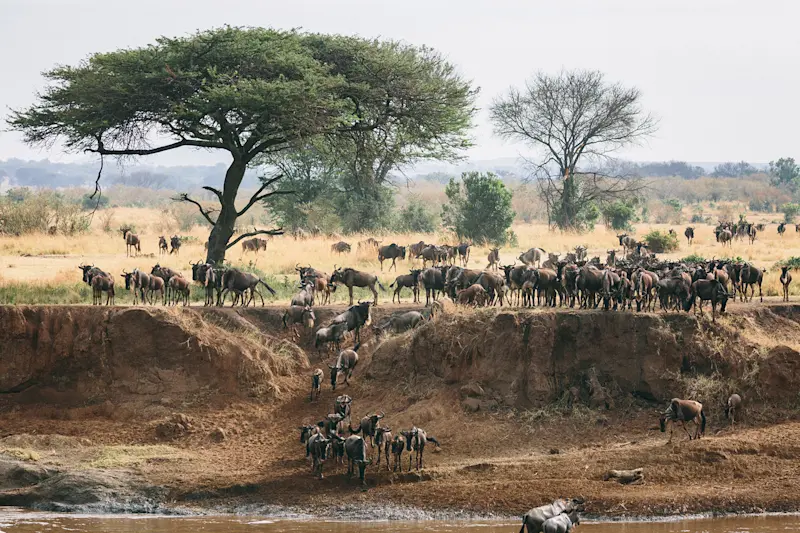
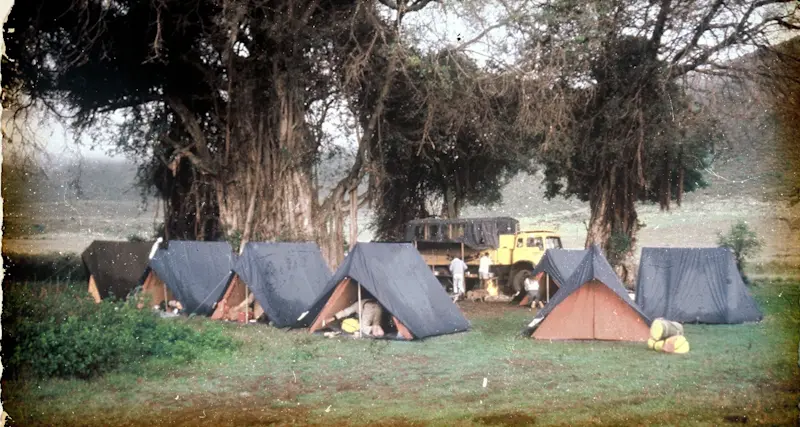
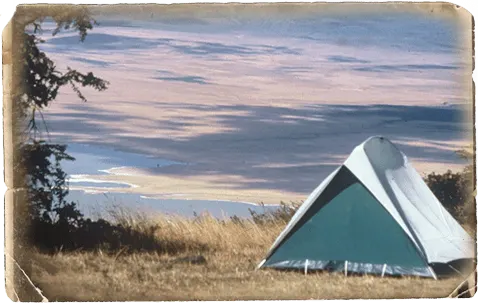
In 1981, our campsites looked like something out of Boy Scout magazine—except with stunning Tanzanian landscapes and wildebeest herds roaming nearby. Travelers set up their own A-frame tents and sleeping bags on the ground. Guides and camp cooks scavenged for firewood and cooked the group’s meal over an open wood fire. In the picture above, camp staff prepare a meal as travelers lean and crouch into their tents after a long day of wildlife drives. This image offers a rare glimpse into camping on the floor of Ngorongoro Crater, an activity which is no longer allowed.
Camping Now
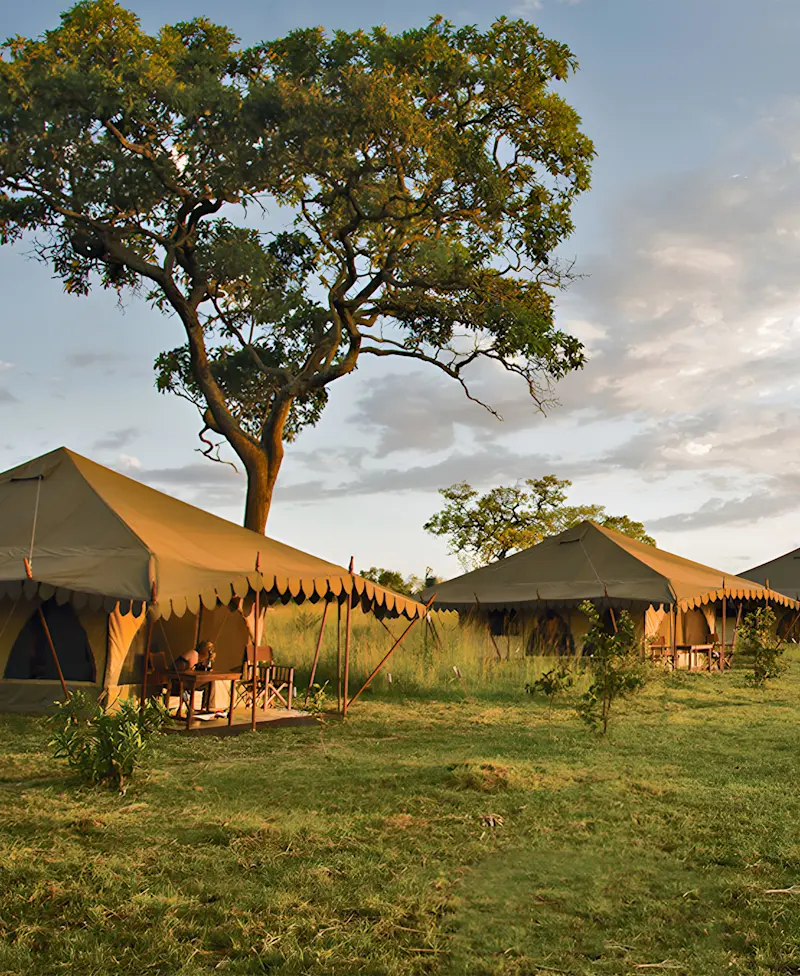
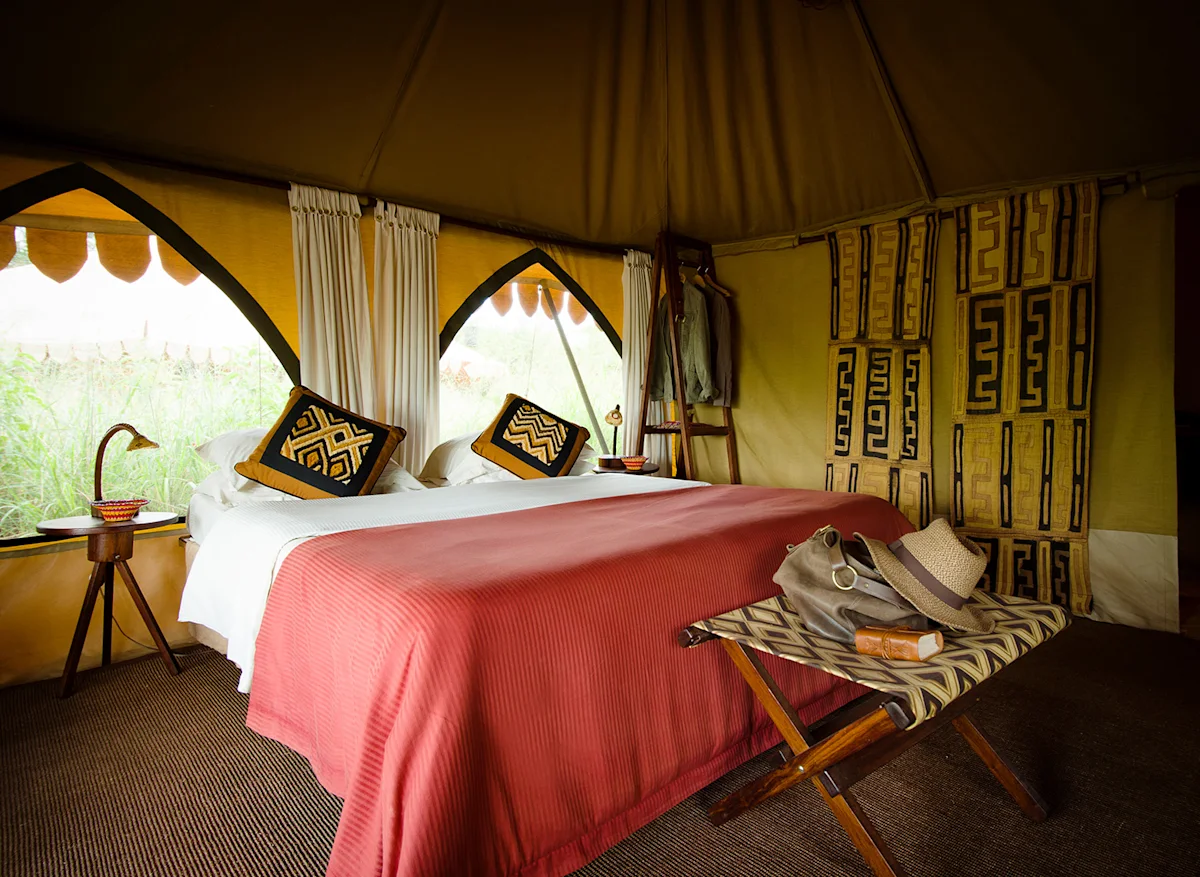
Over the years, we perfected the camping experience by blending the rustic touches our guests love with an unwavering dedication to comfort. Expect queen-sized beds, freshly pressed sheets, private en suite bathrooms and private showers with hot water in your tent. No more crouching under a canvas flap after a long day on the plains—enjoy a sundowner on your furnished verandah or charge your devices in the lounge tent. Camps rotate seasonally to keep you close to the wildlife, and often you’ll wake up to the sound of animals outside. The result is a private, eco-friendly campsite that provides an immersive wilderness experience.
Safari Vehicles
Vehicles Then
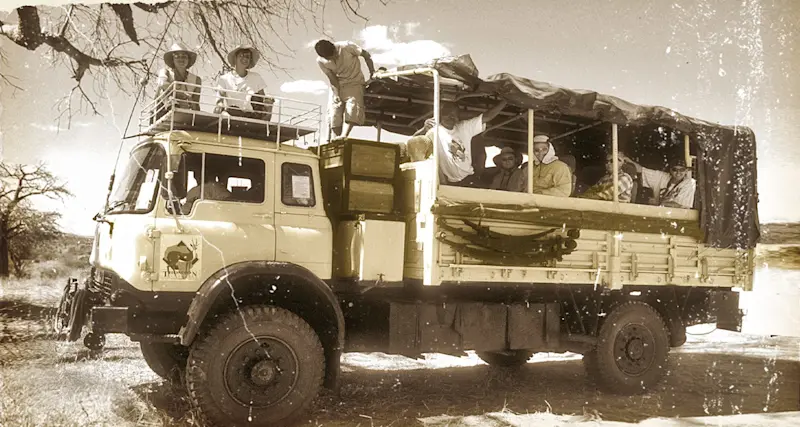
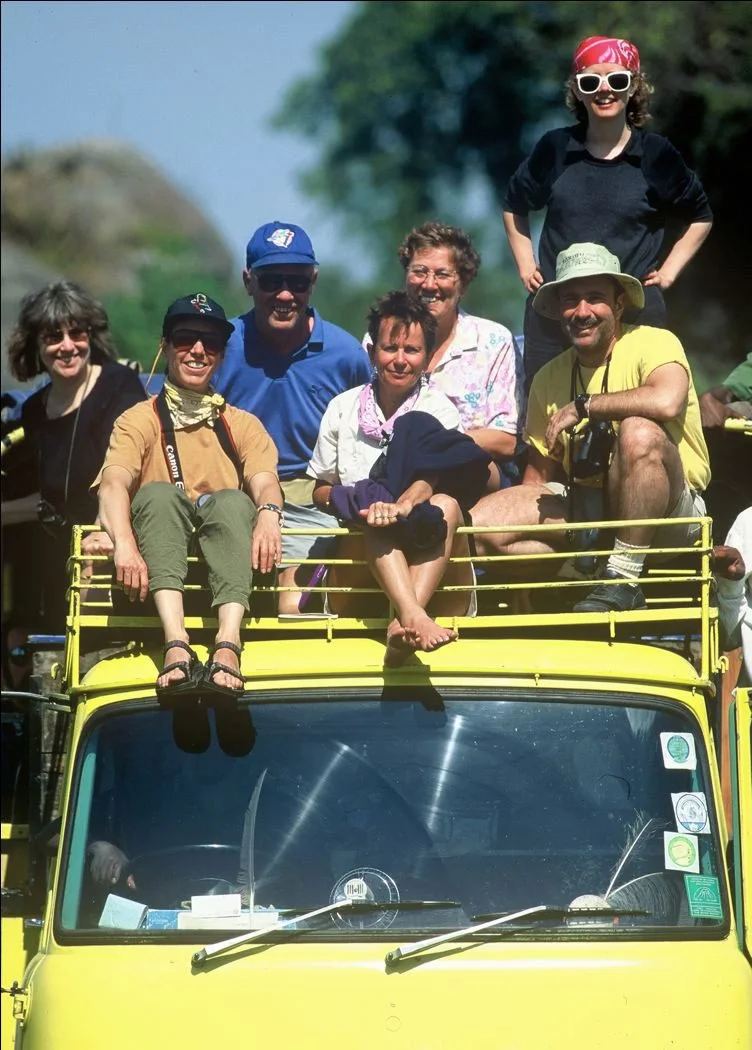
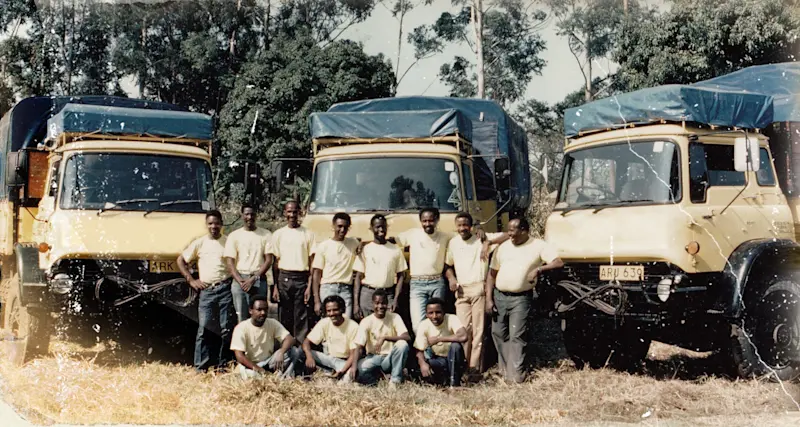
Thomson started out with Bedford trucks—originally troop carriers in the British Ministry of Defense—to rove the Tanzanian plains. These behemoths carried up to 16 guests and crew, all food, water, bags, cookware and necessities needed for up to three weeks on safari. Because fuel was scarce in 1980s Tanzania, guides would load nearly 160 gallons of diesel in their tanks so they could drive for weeks without needing to buy more. Without radio or walkie-talkies, it was important that these trucks could do it all, because they really were on their own.
Vehicles Now
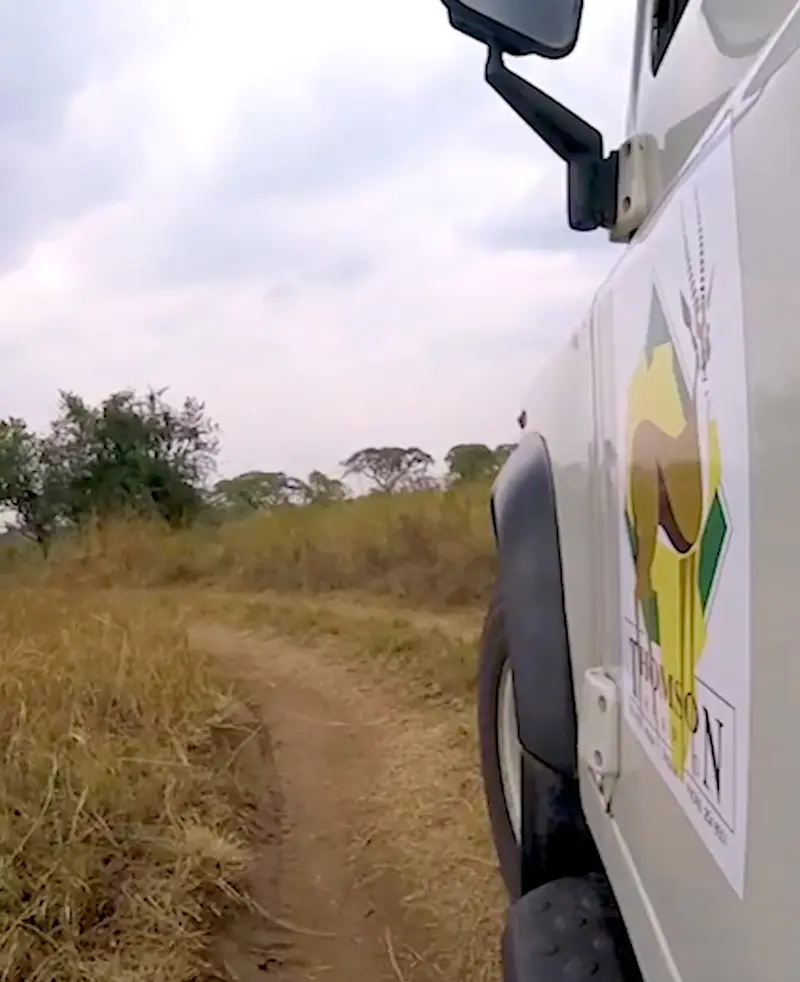
Riding in Thomson’s custom safari vehicles is a joy. Built specifically for the Serengeti, they’re rugged enough to tackle river crossings, rough tracks, and long days in the bush while providing exceptional comfort along the way.
To create more space and ensure every guest enjoys a guaranteed window seat, each vehicle is extended and customized for safari use. A raised air intake allows for worry-free river crossings, while a pop-up roof provides unobstructed wildlife viewing from every angle. Long-travel suspension smooths out rough terrain, and US-style outlets make it easy to keep cameras, phones, and other devices charged throughout the day.
The result is a vehicle so thoughtfully designed that you hardly notice it — allowing you to focus on what matters most: the wildlife.
Staff
Staff Then
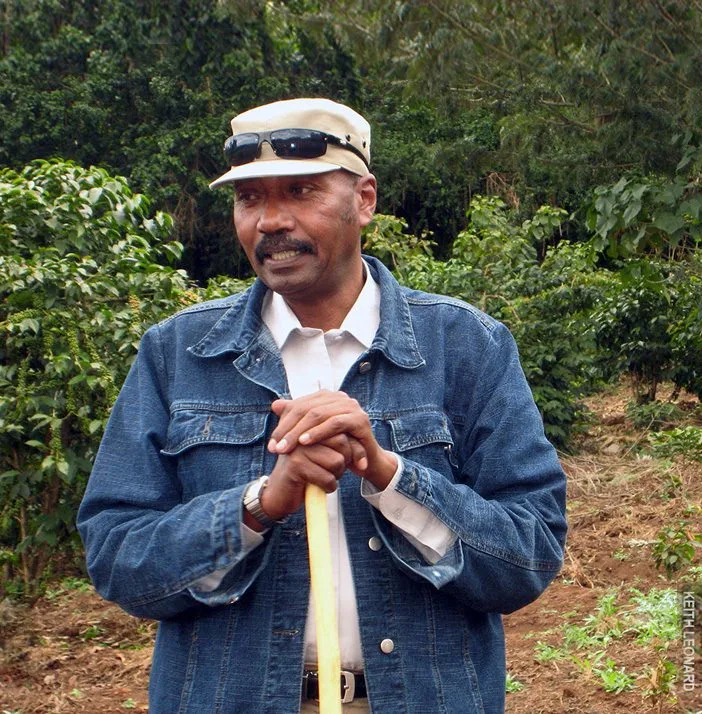
Safari guides really did it all in the early ‘80s. They drove and maintained their safari vehicle, chose spots for camp on the fly, handled funds for park and food payments, taught guests how to assemble their tents and, of course, provided exceptional insight during safari. They also worked with the trip cook to collect firewood and prepare meals. Guides and cooks were out in the Serengeti for up to seven weeks at a time without radios or walkie-talkies, problem-solving their way out of tough spots and keeping their supplies full via traveler’s checks. Talk about adventure!
Staff Now
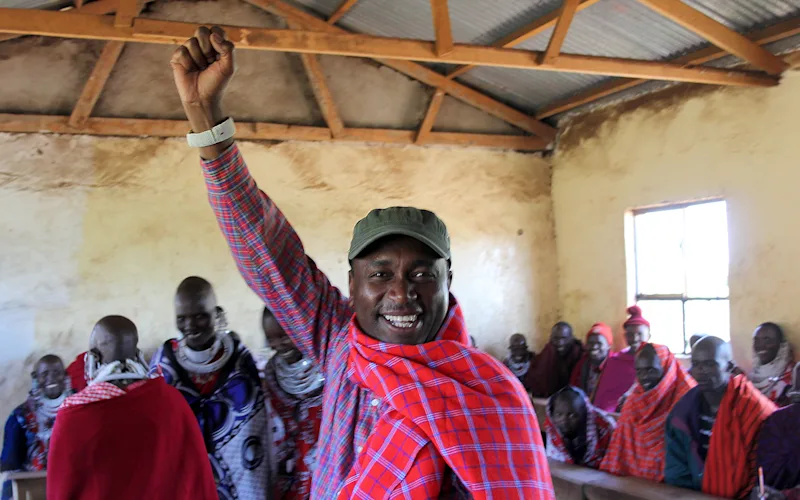
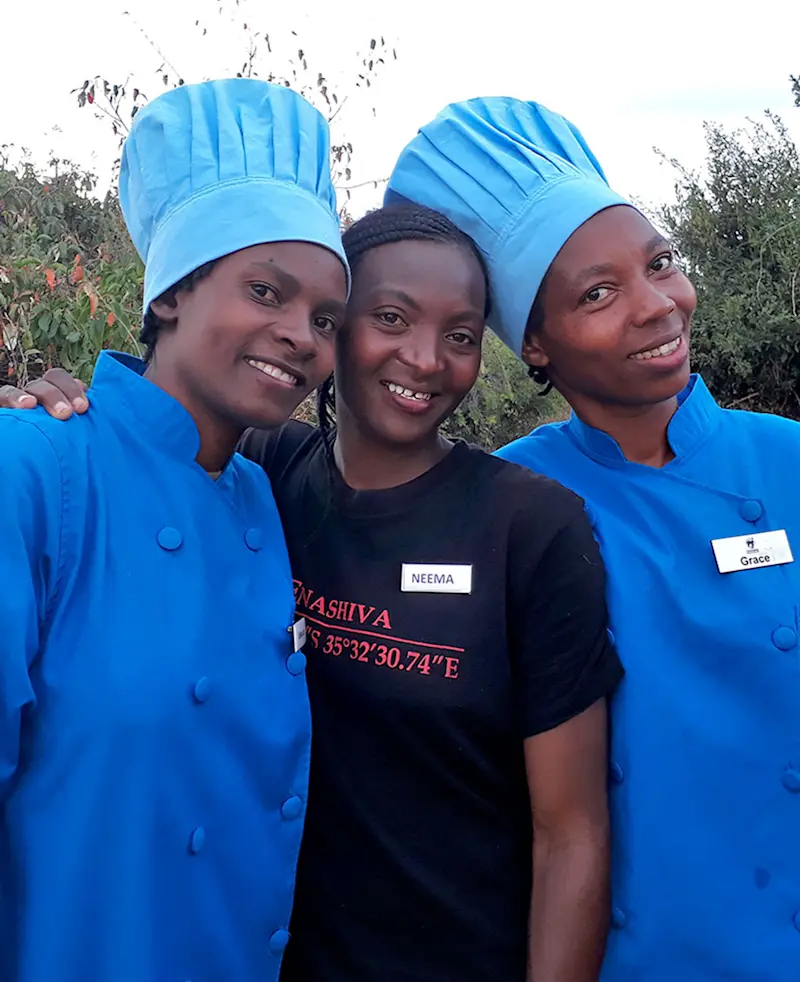
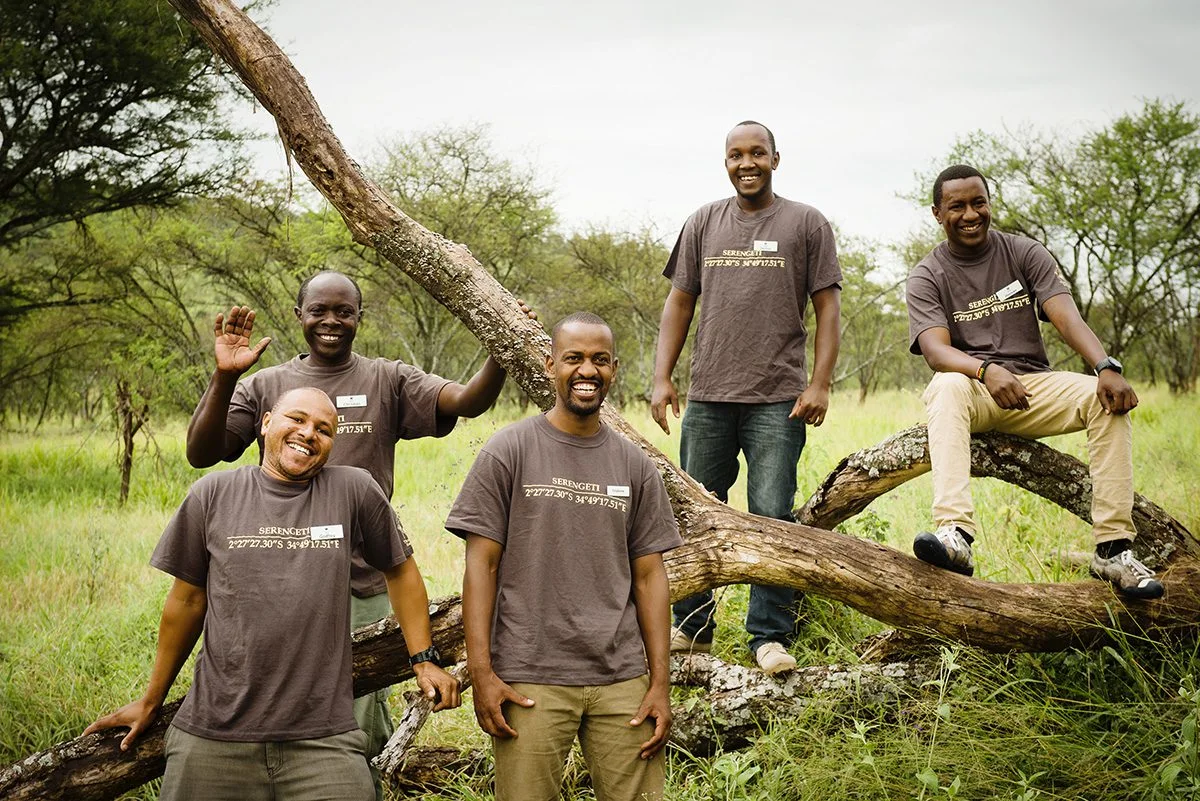
Thomson Safaris was one of the first companies to insist on hiring Tanzanians. Today, nearly all staff are Tanzania-born, and they take on a much wider range of responsibilities than ever before. Cooks, mechanics, camp staff, logistics teams, drivers and more pursue excellence in their work every day, many earning among the highest wages in the industry. They regularly attend training sessions for skills such as public speaking, birding, animal behavior and other topics related to life and career skills. And let’s not forget the helpful team on the phones in Watertown, Massachusetts, who have been to Tanzania themselves and will help you plan your dream trip!
Gallery
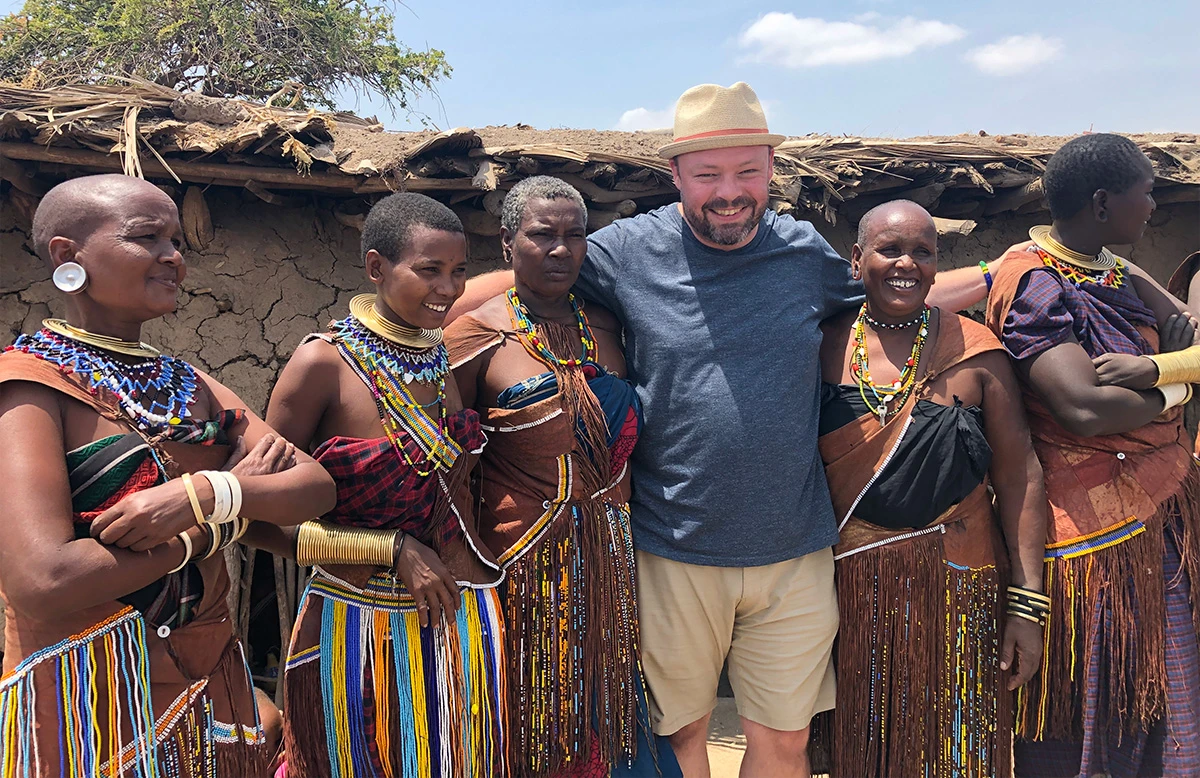
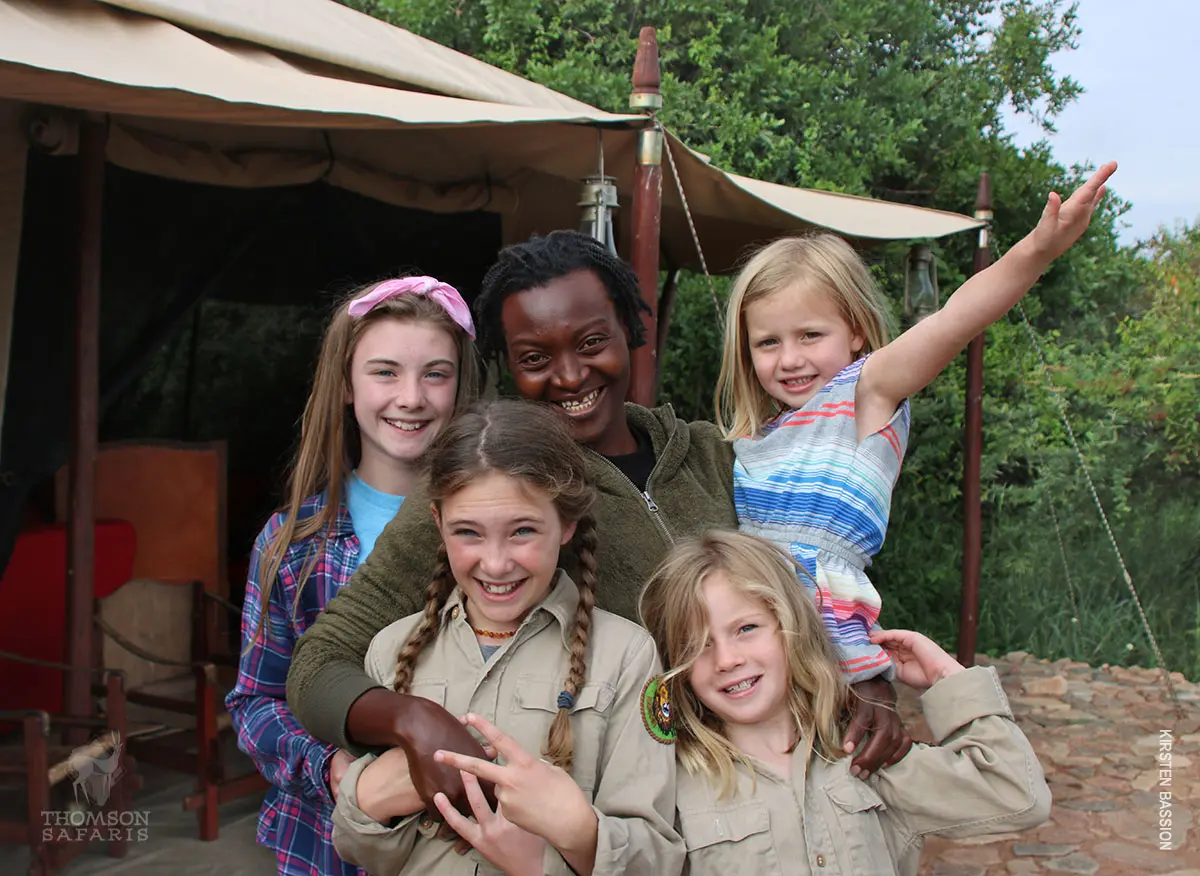
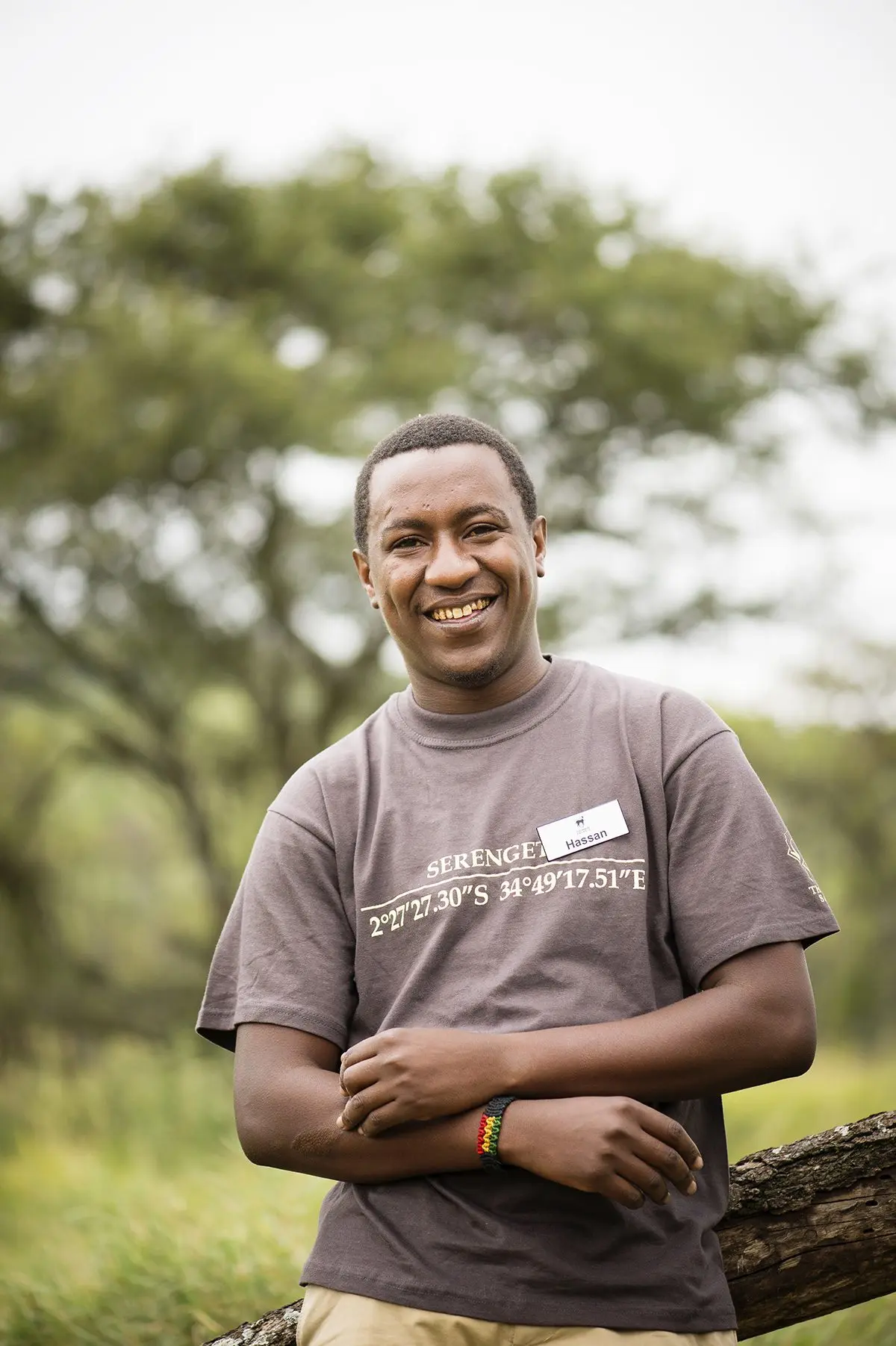
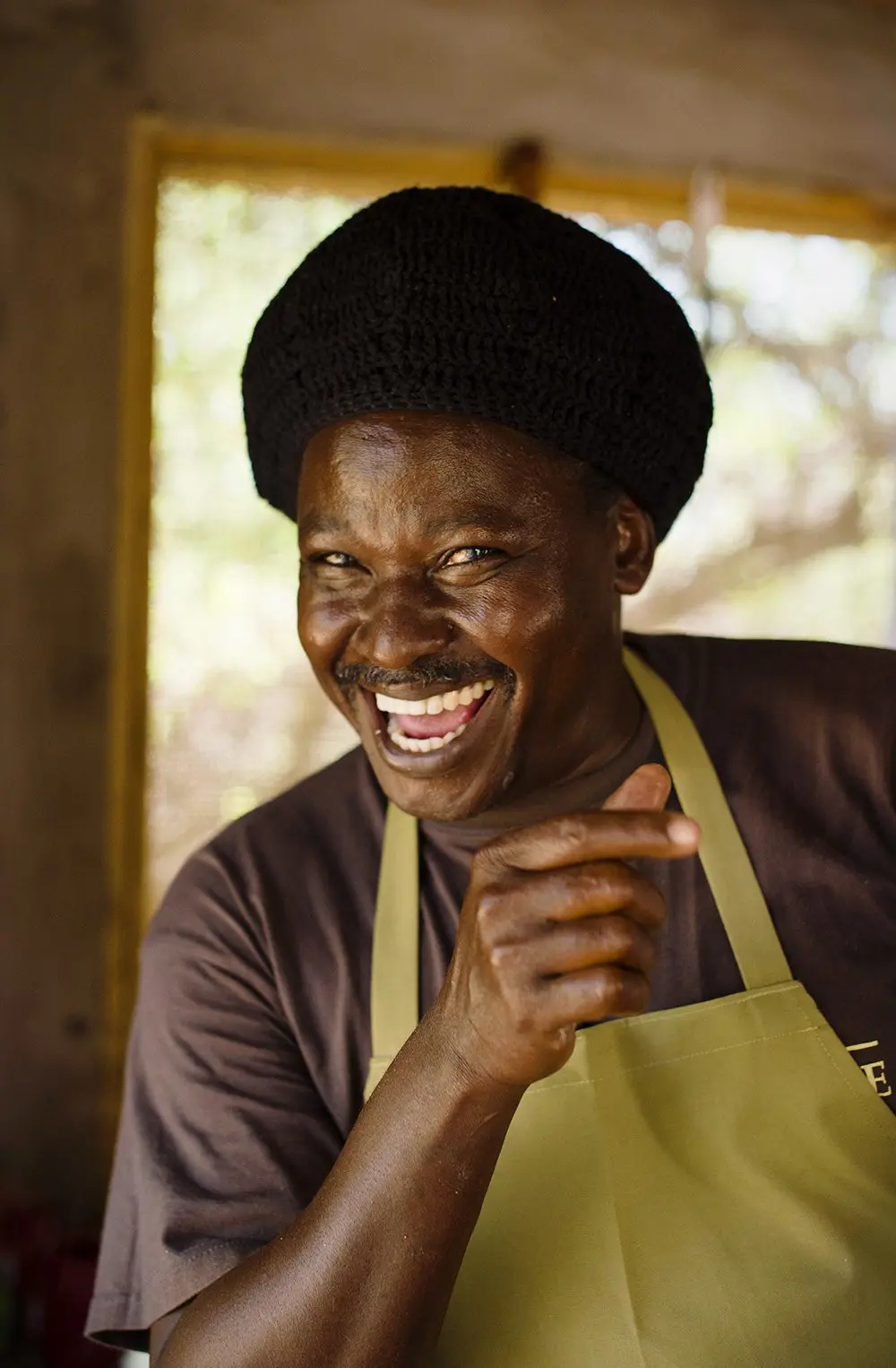
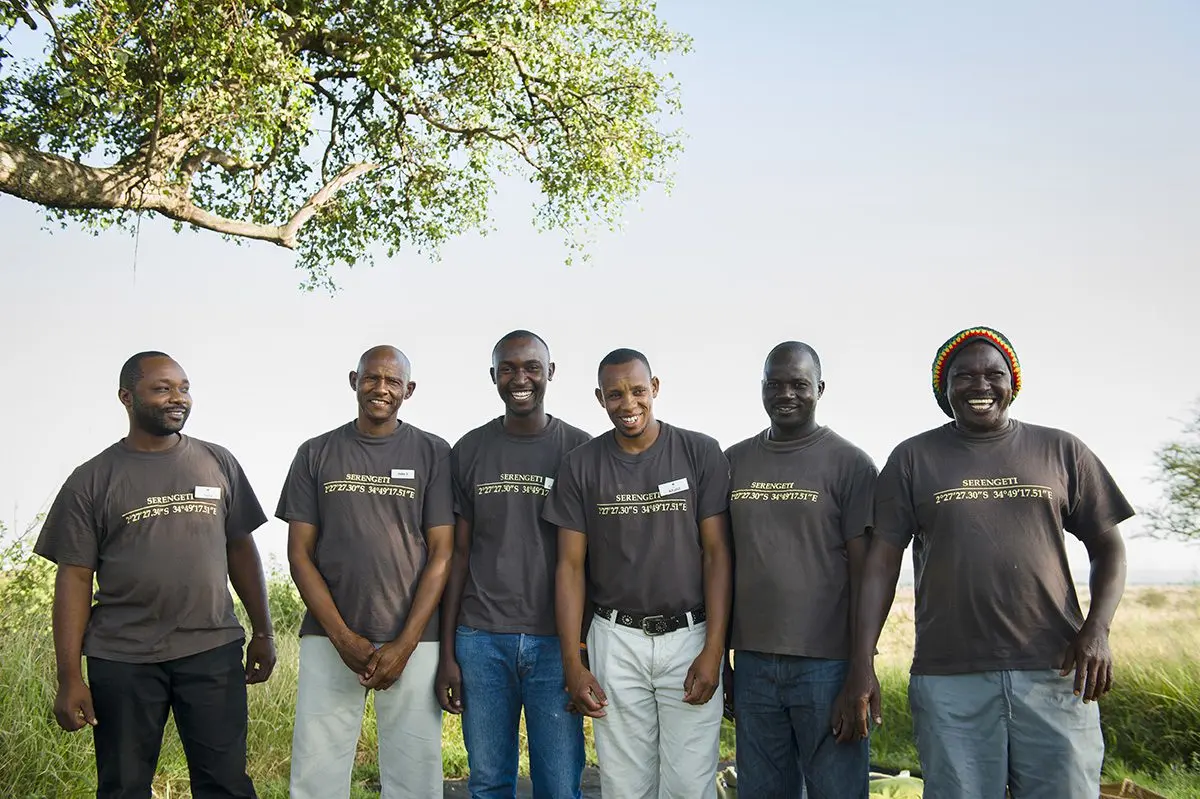
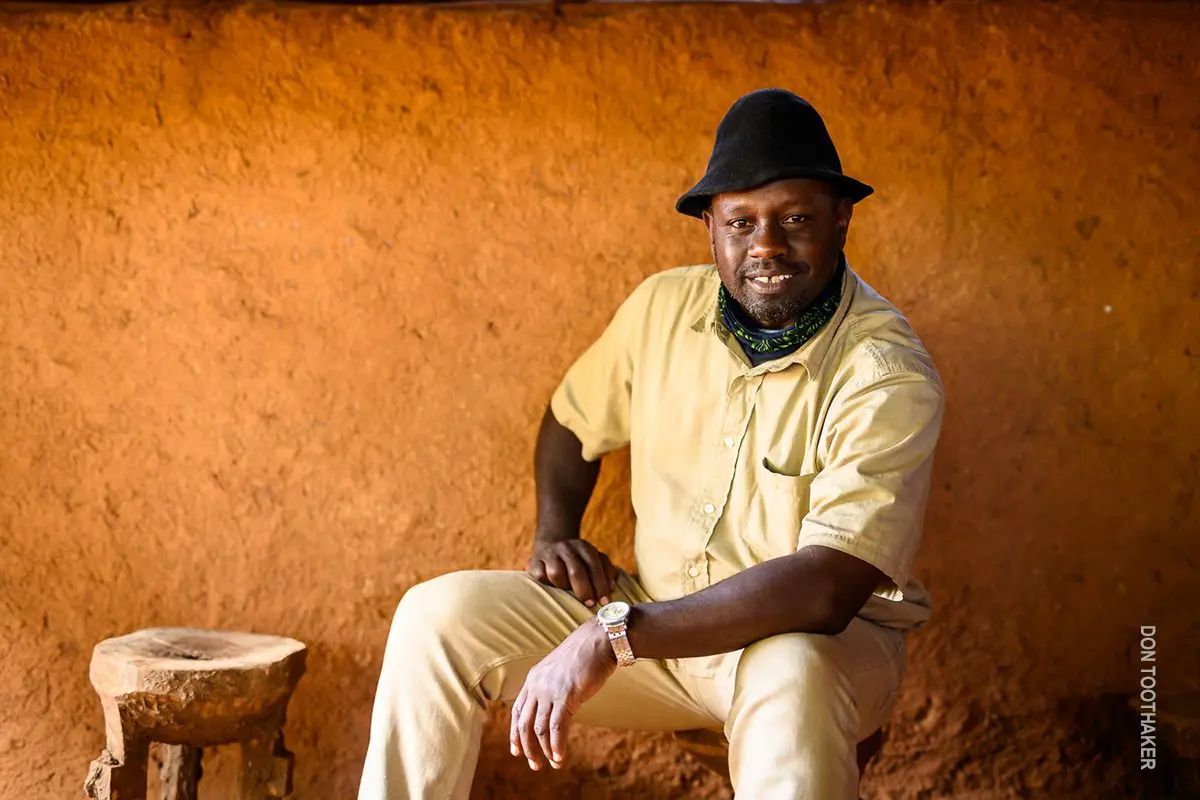
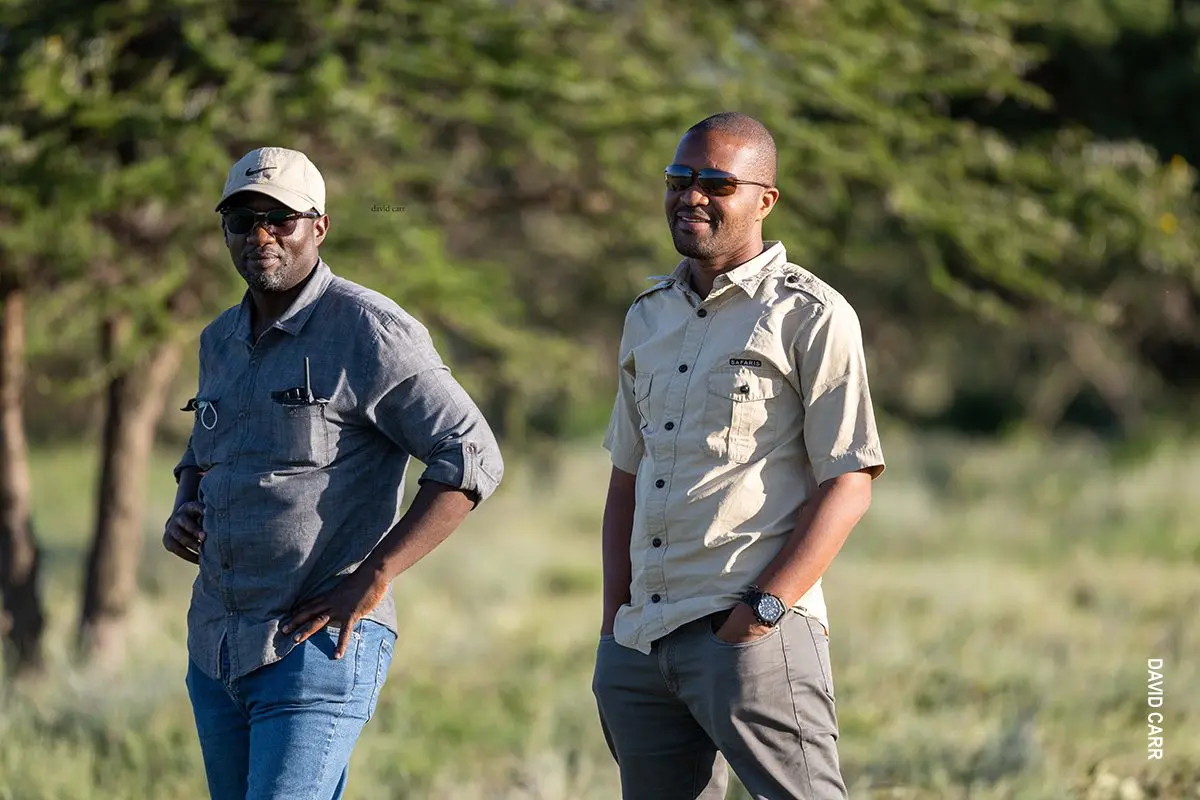
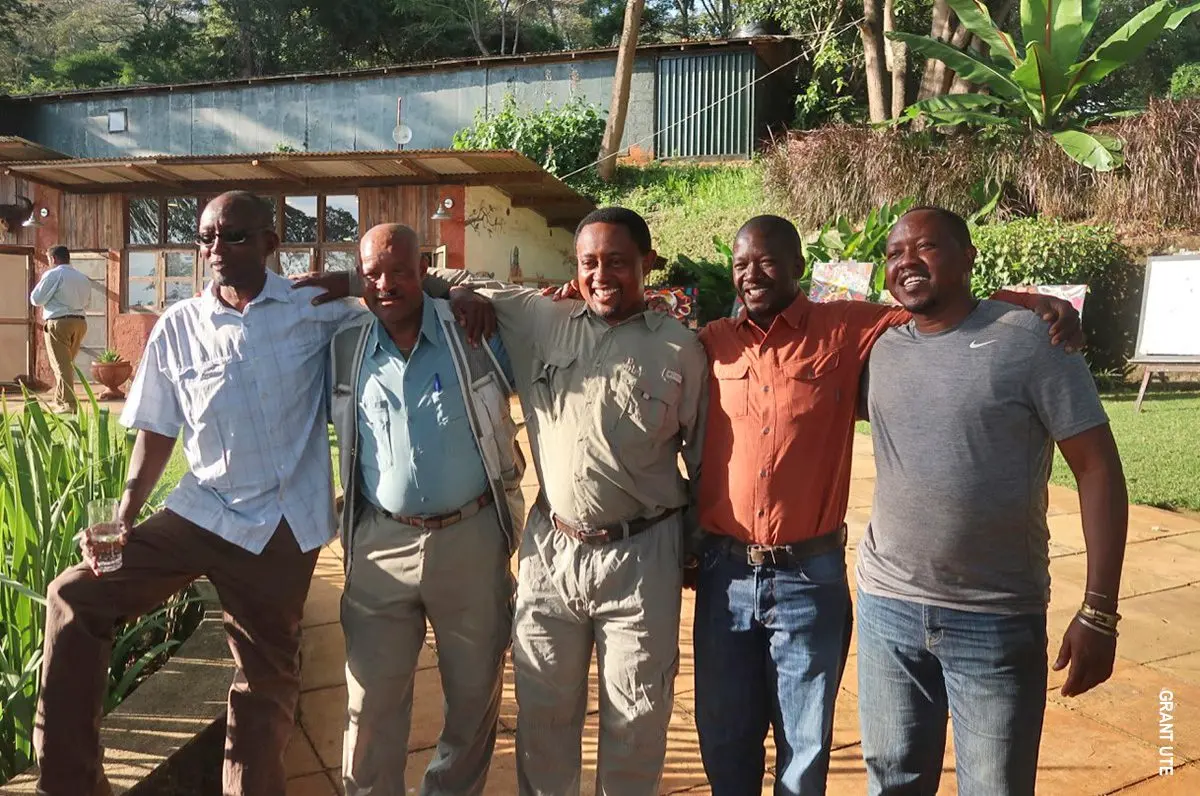
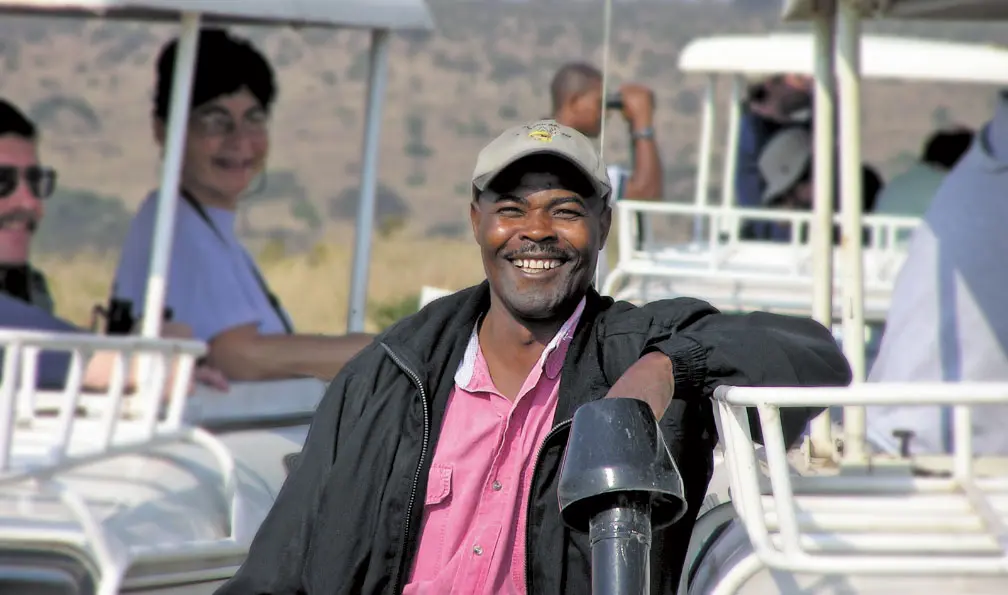
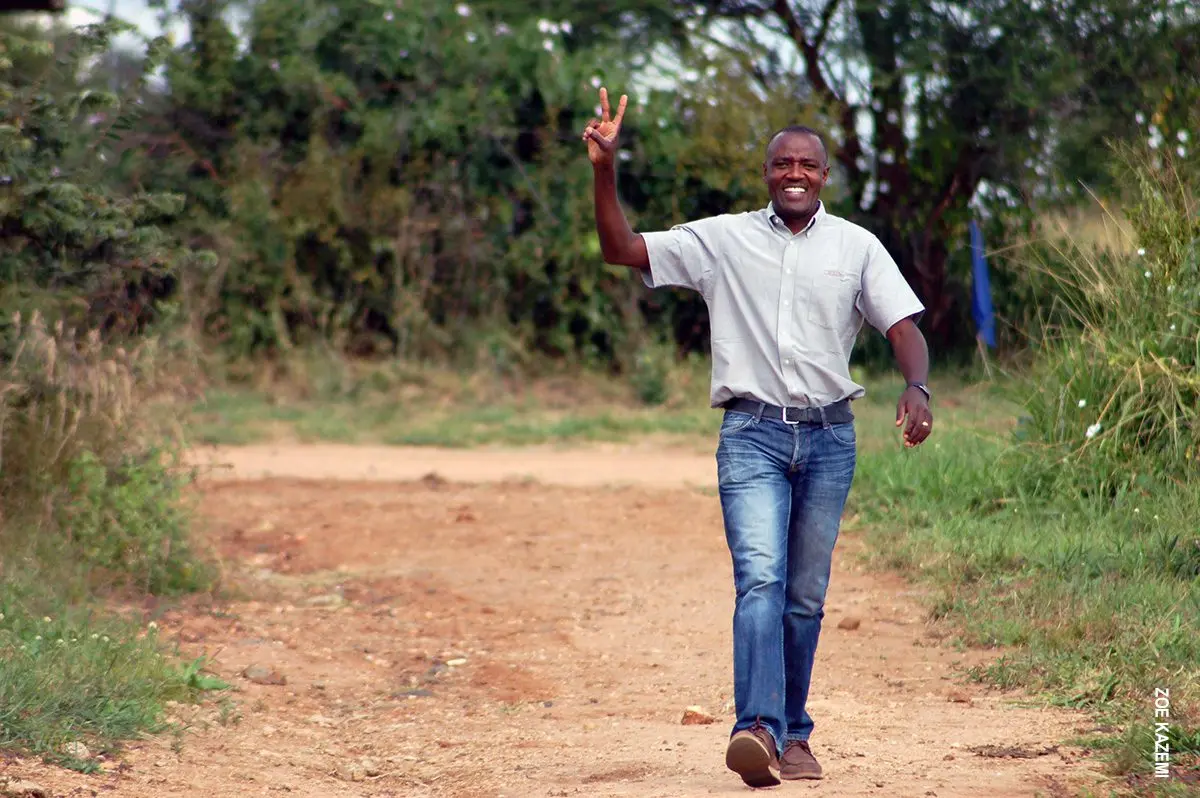
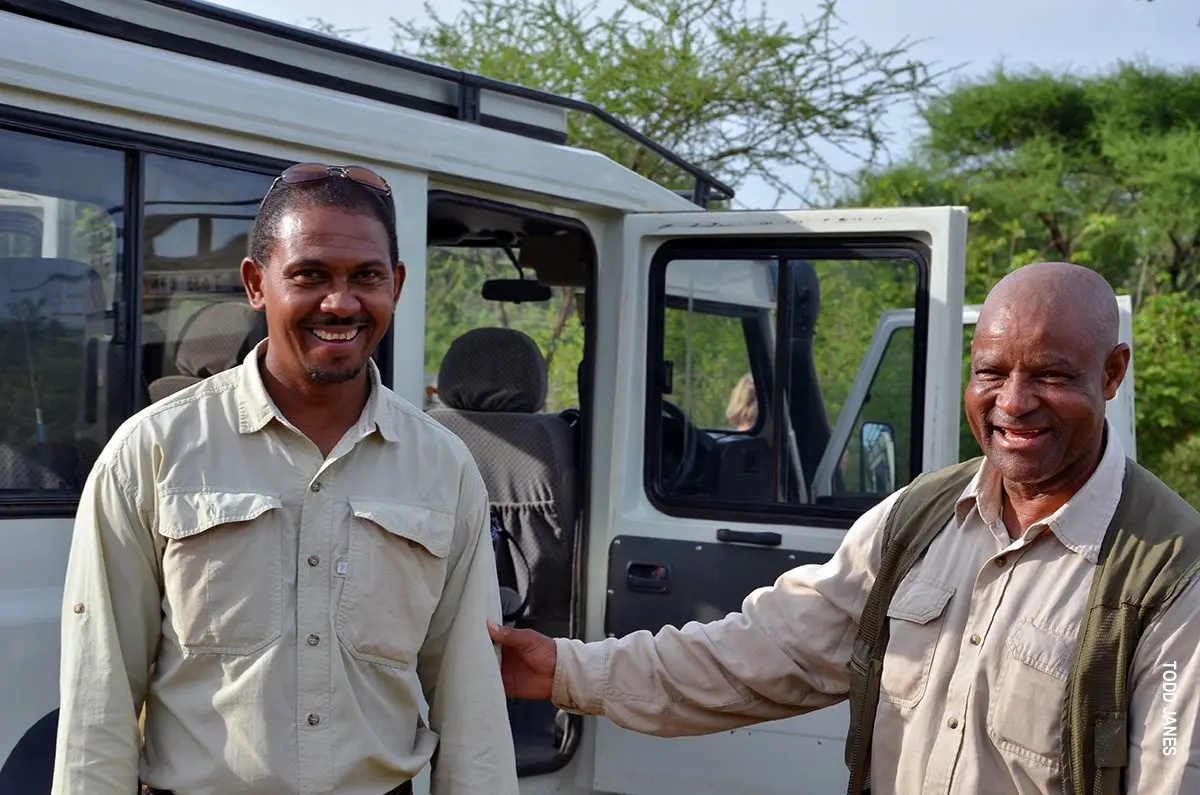
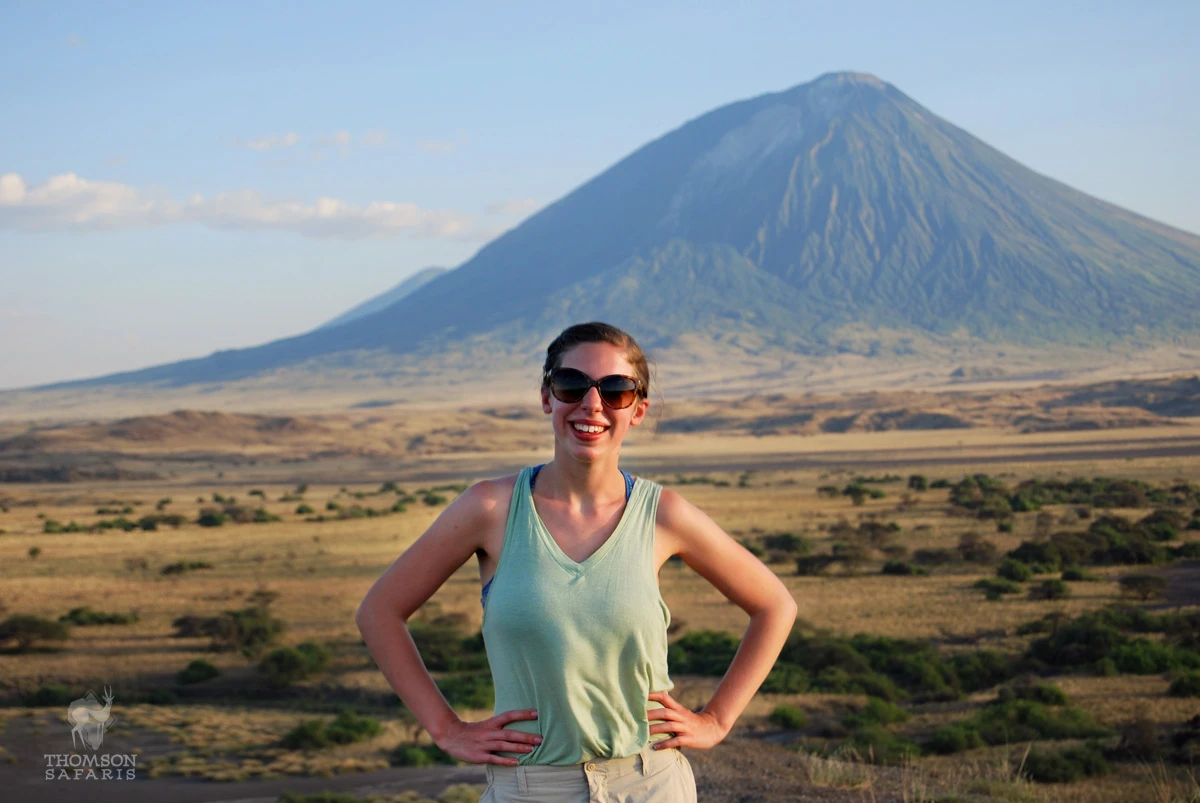
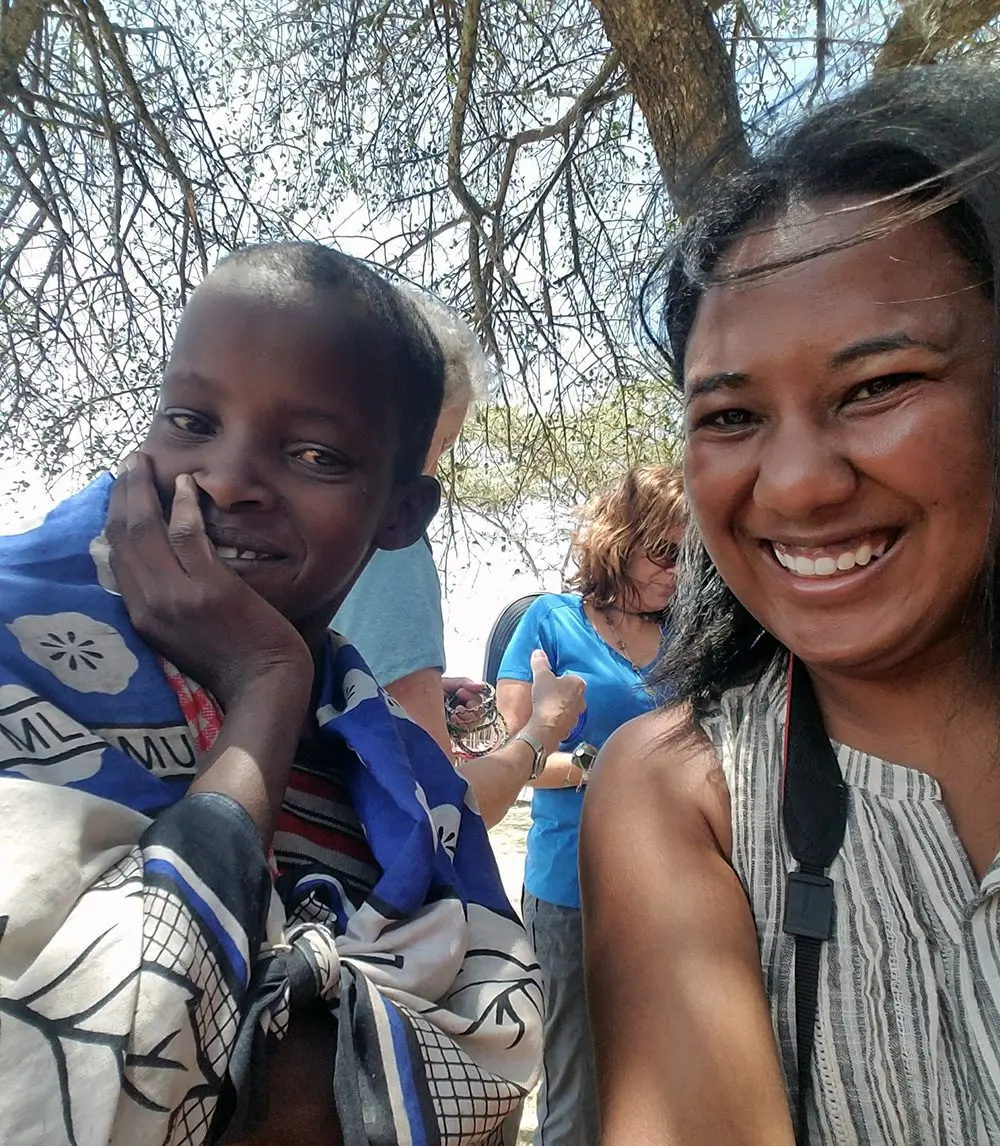
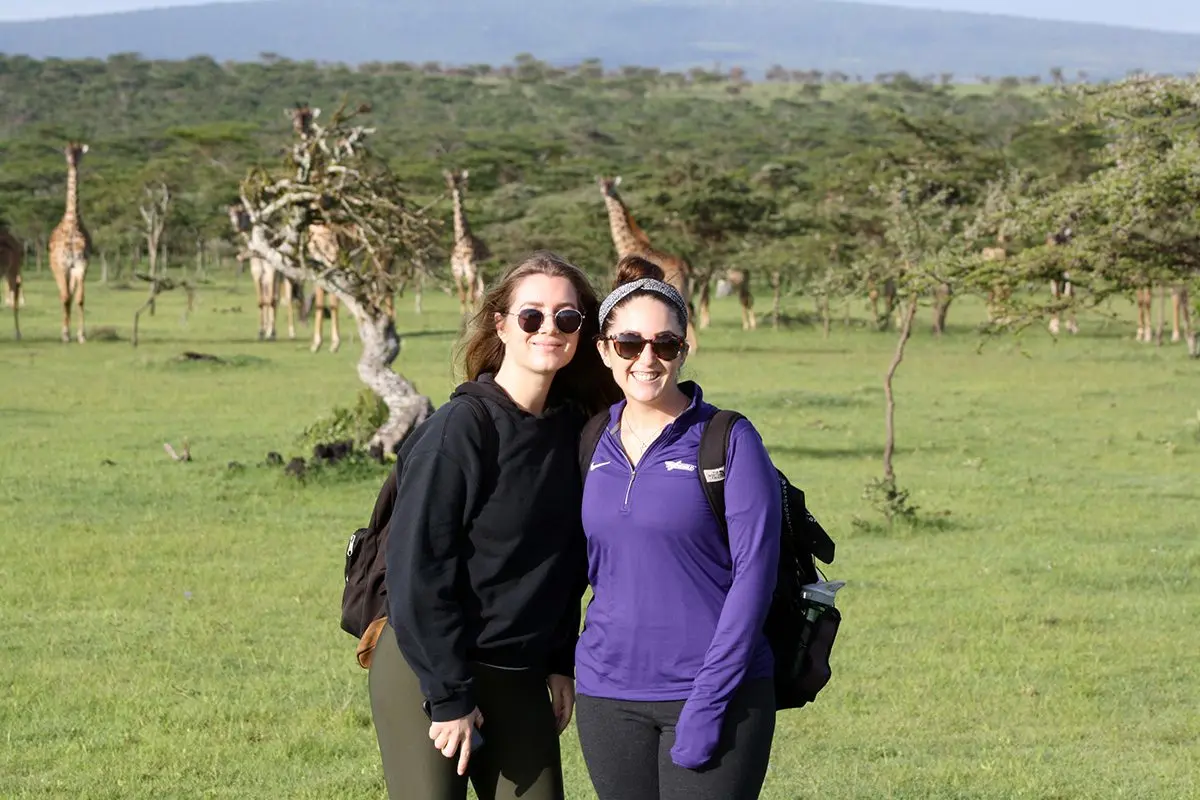
Photo 1 of 17
Rick and Judi
Rick and Judi Then
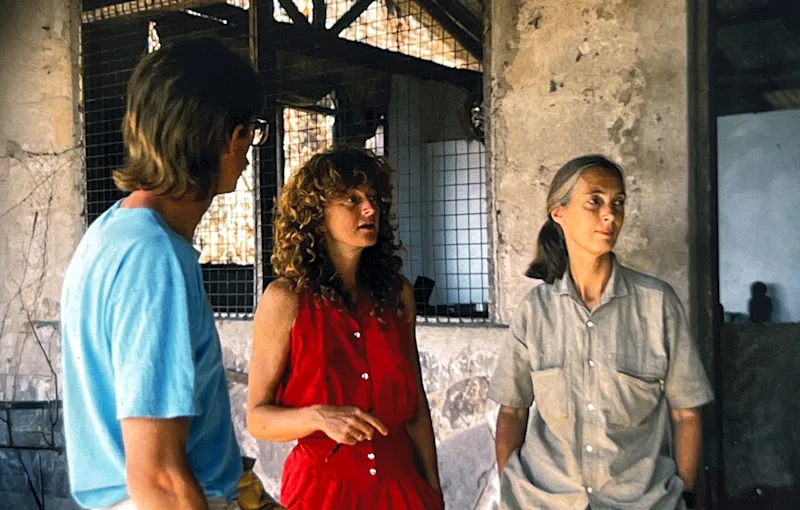
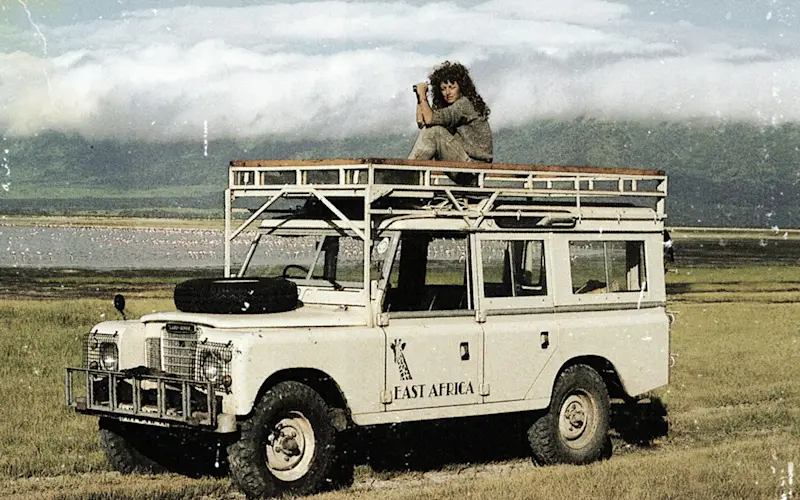
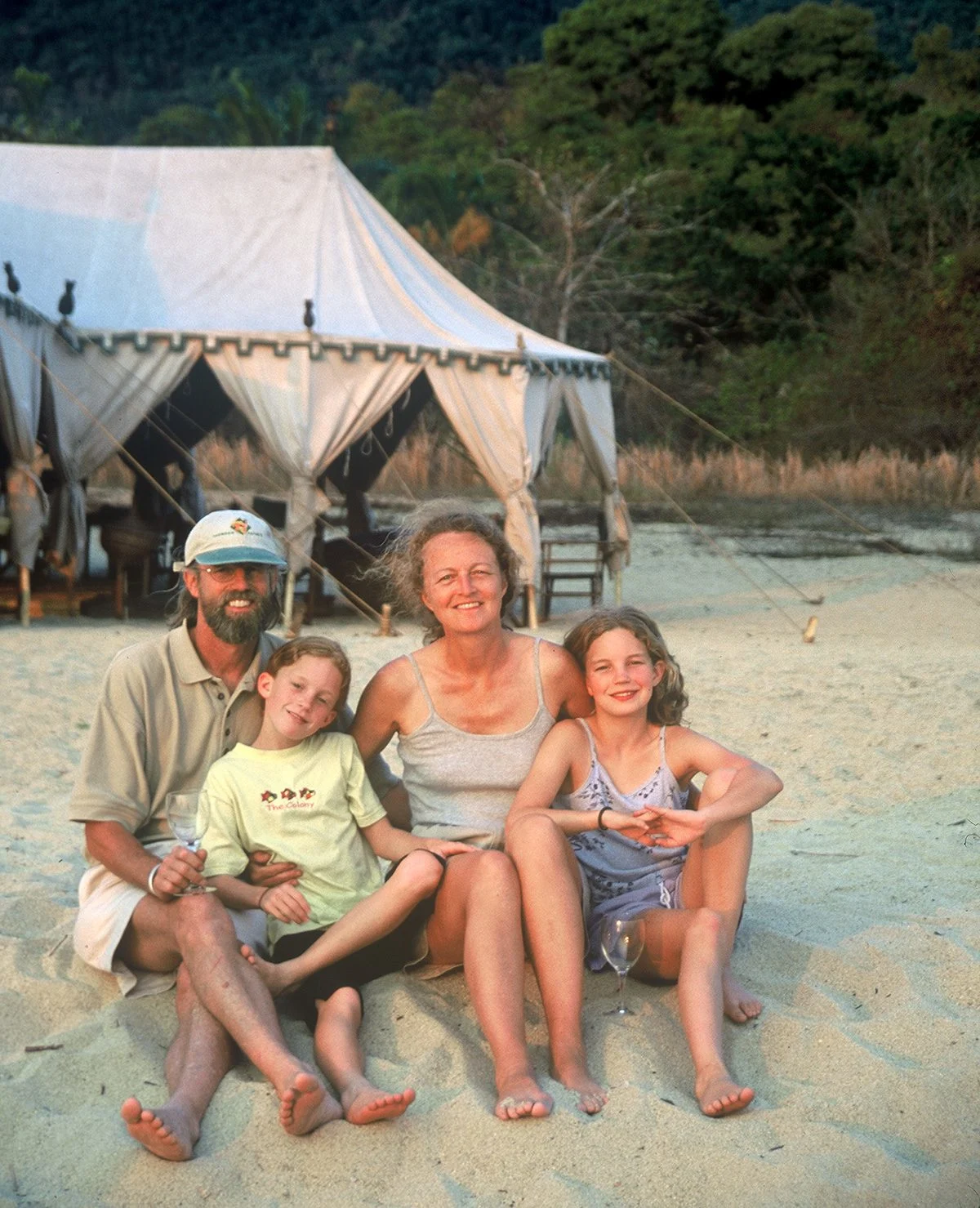
Business partners like Rick and Judi don’t come around often: When they got together to found Thomson Safaris, Judi lived in Boston, advertising adventurous safari travel when it was still brand new. Rick, the engineer, was in Tanzania, making sure the trips ran. Maybe it was their complementary nature that eventually led to their marriage and their decision to start a family, with whom they traveled to Tanzania and elsewhere around the world.
Rick and Judi Now
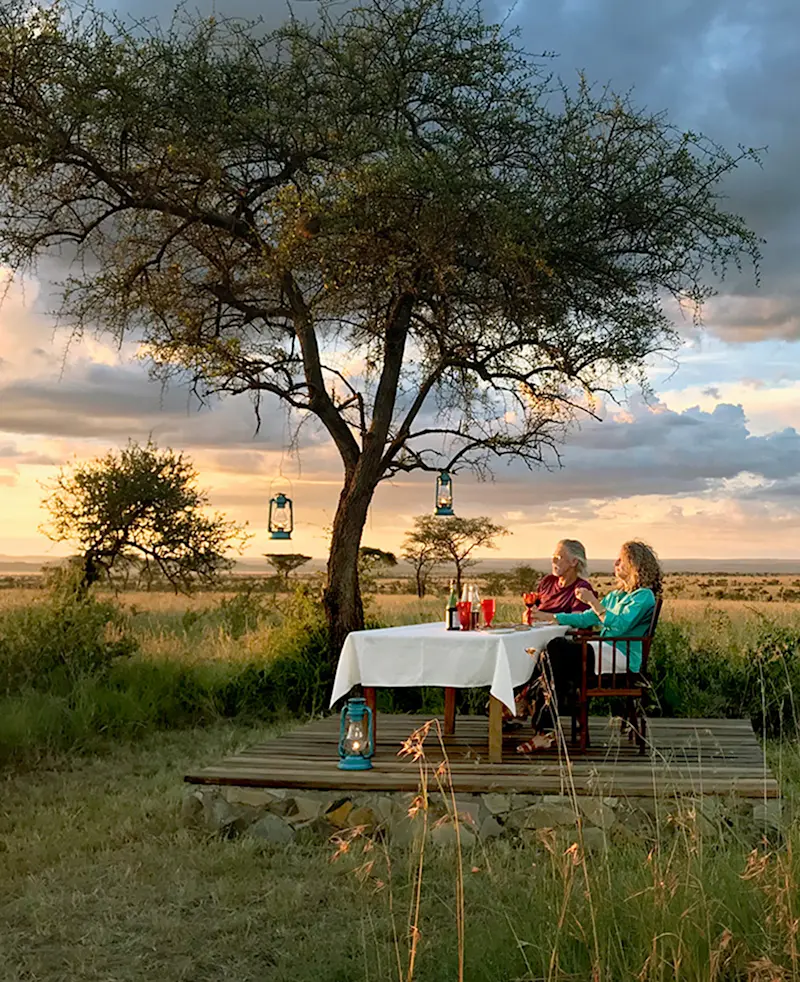
A growing family and booming travel industry have meant the world to Rick and Judi. But through the decades of change, their dedication to the core safari experience is the same as it was in 1981. They are all about the Tanzanian wilderness and have taken strides to ensure their responsible travel operations respect the land and people in the area.
Gallery
Their desire for adventure is ongoing and they have embarked on a host of new adventures, including:
Kilimanjaro Treks, opens in new tab to the Roof of Africa
Managing Gibb’s Farm, opens in new tab, an award-winning eco-lodge in the Ngorongoro highlands
A nonprofit called Focus on Tanzanian Communities, opens in new tab, which gives back to the land and people by building schoolhouses, digging water wells, empowering women and leading other community initiatives
Having grandkids! Rick and Judi agree that seeing the little ones travel the world adventurously—to places like Tanzania and beyond—is a thrilling sight.
AdventureWomen, opens in new tab, specializing in adventure travel tours for active women, run by Judi and her daughters
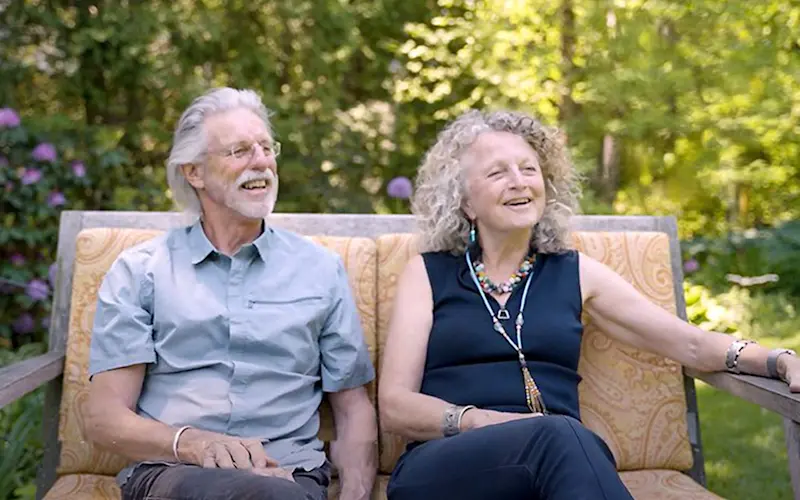
So, if Rick and Judi could go back and change anything from the past 45 years, what would they change?
“Not a thing,” Rick said. “Okay, maybe bits and bobs here and there. But it’s been the thrill of a lifetime.”
And Judi?
“In all honesty, I don’t think I’d change anything. We’ve always been about the East African wilderness, and I cannot imagine sacrificing that magical experience for anything on Earth.”