Where exclusivity meets conservation
The Tembo Explorer Safari
Overview
- Limited to 14 Travelers
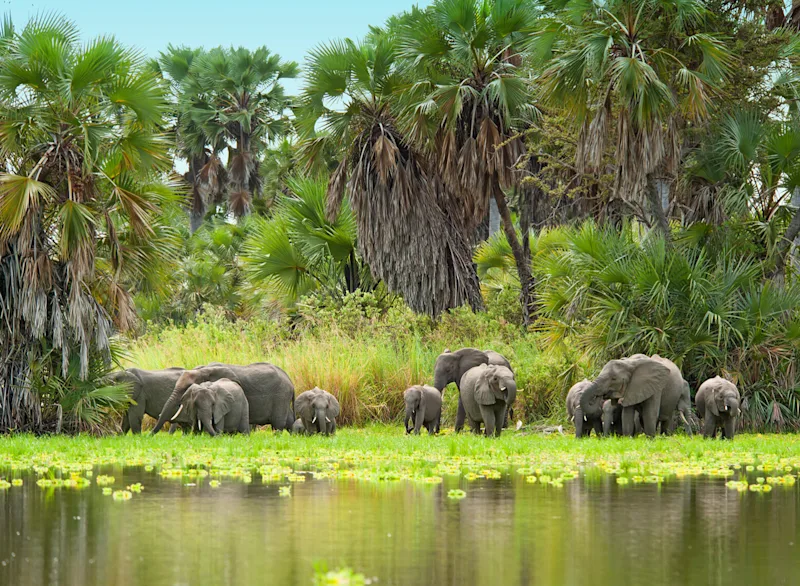
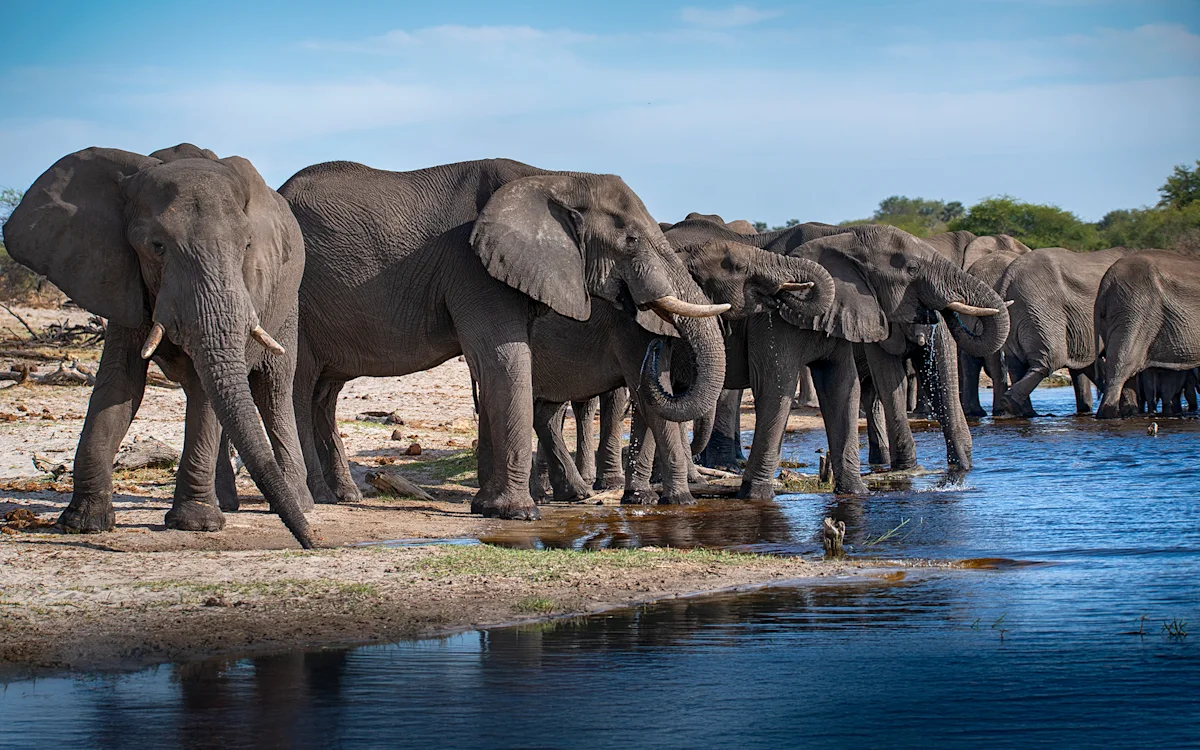
This sweeping safari brings together East Africa’s great wildlife strongholds with conservation encounters found nowhere else. Experience an astonishing range of species, from Serengeti predators and immense herds to elephants and some of the rarest rhinos on Earth. On private conservancies, enjoy walking safaris and night drives—activities not allowed in national parks. In Kenya, go behind the scenes of wildlife conservation, from protecting endangered rhinos to rehabilitating young elephants for release into the wild. Throughout, the sheer variety of landscapes, wildlife, and experiences reveals just how much East Africa can hold.
Gallery
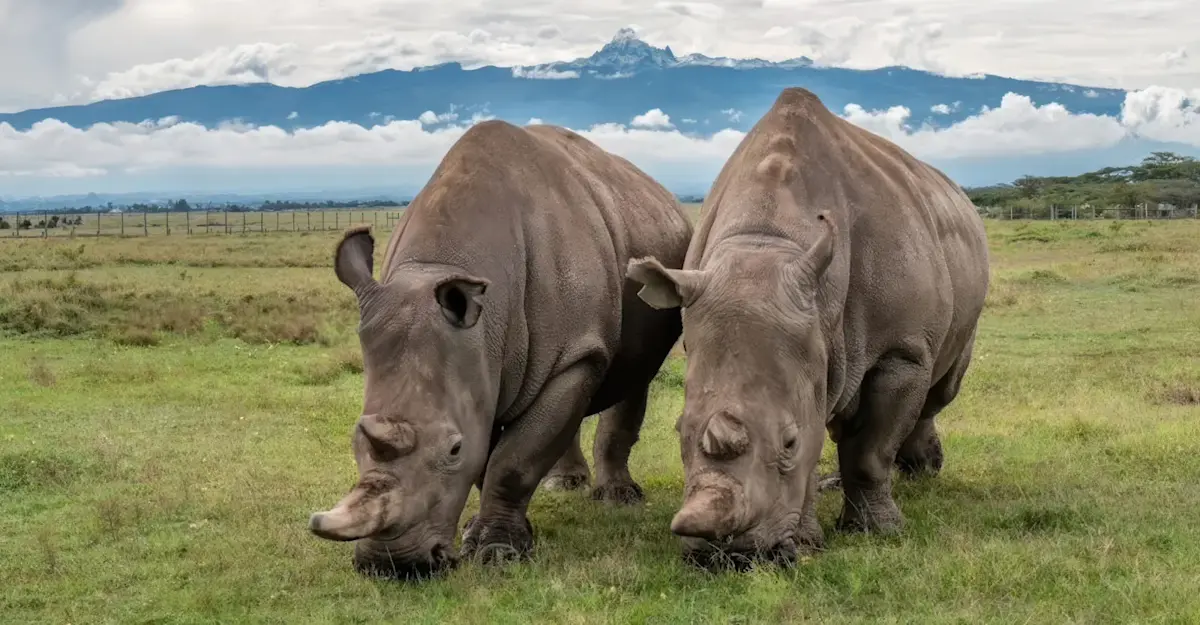
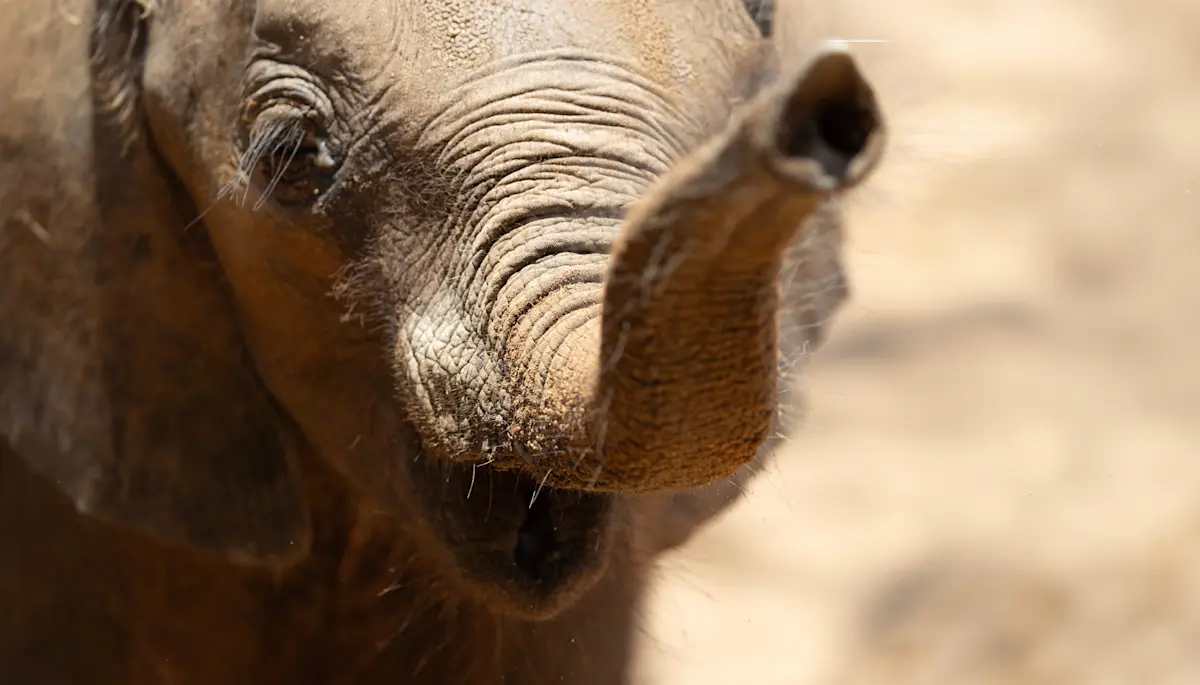
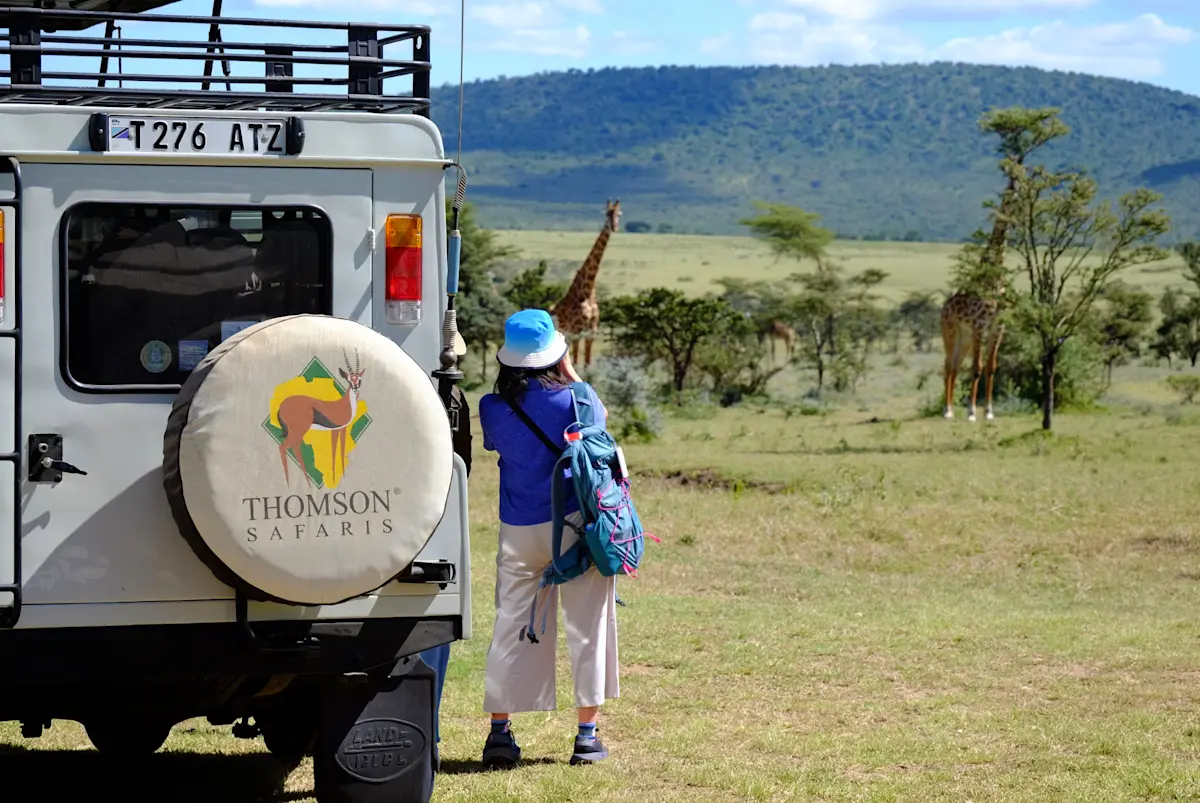
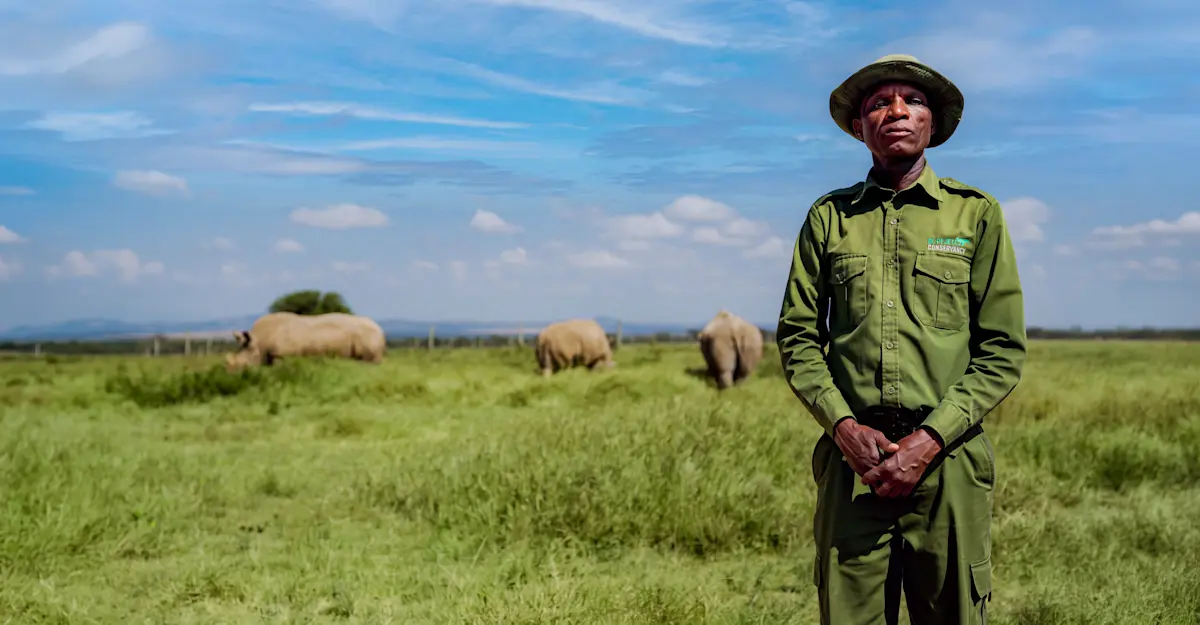
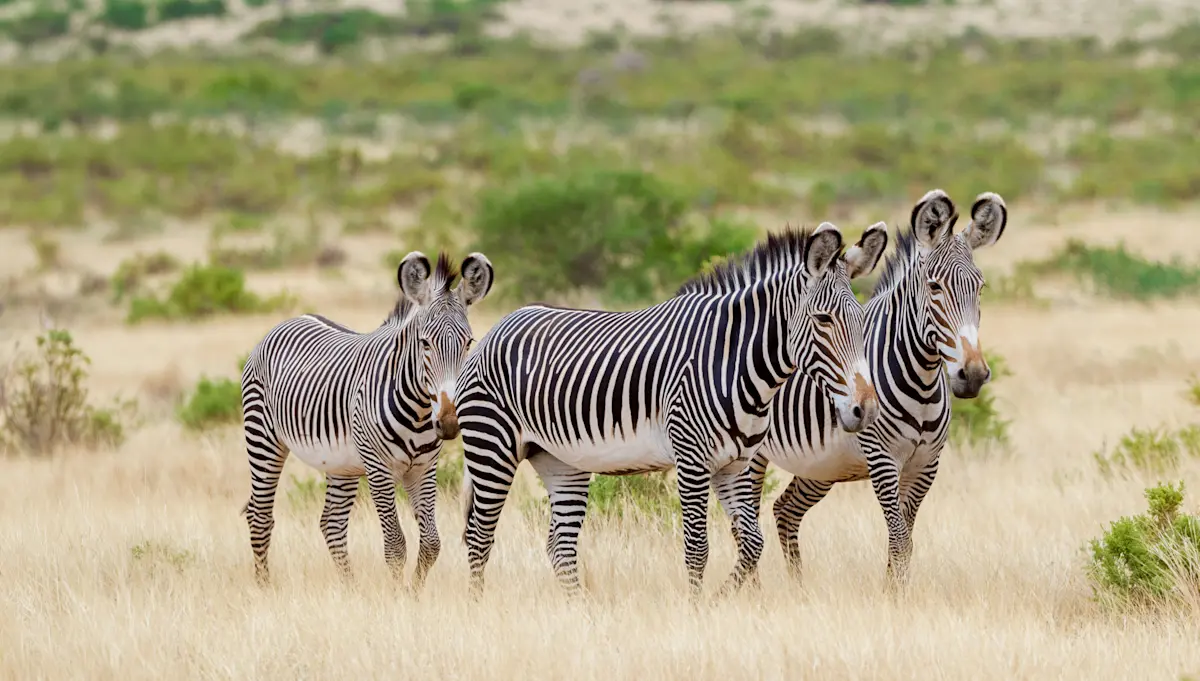
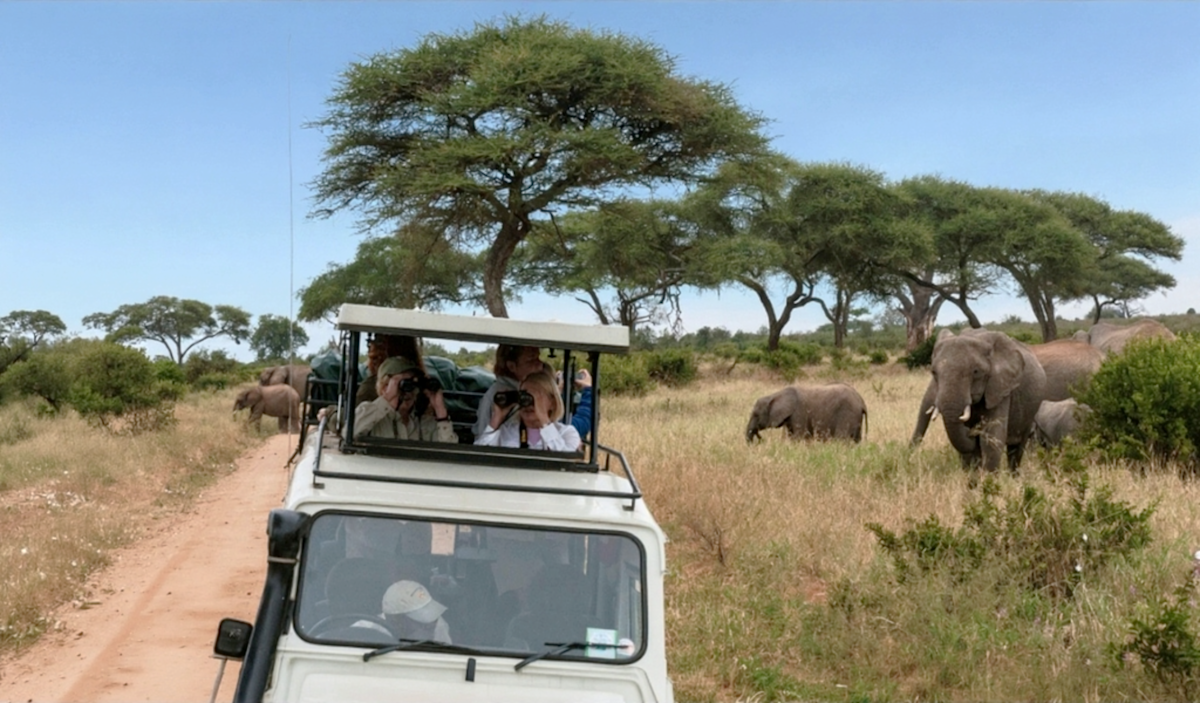
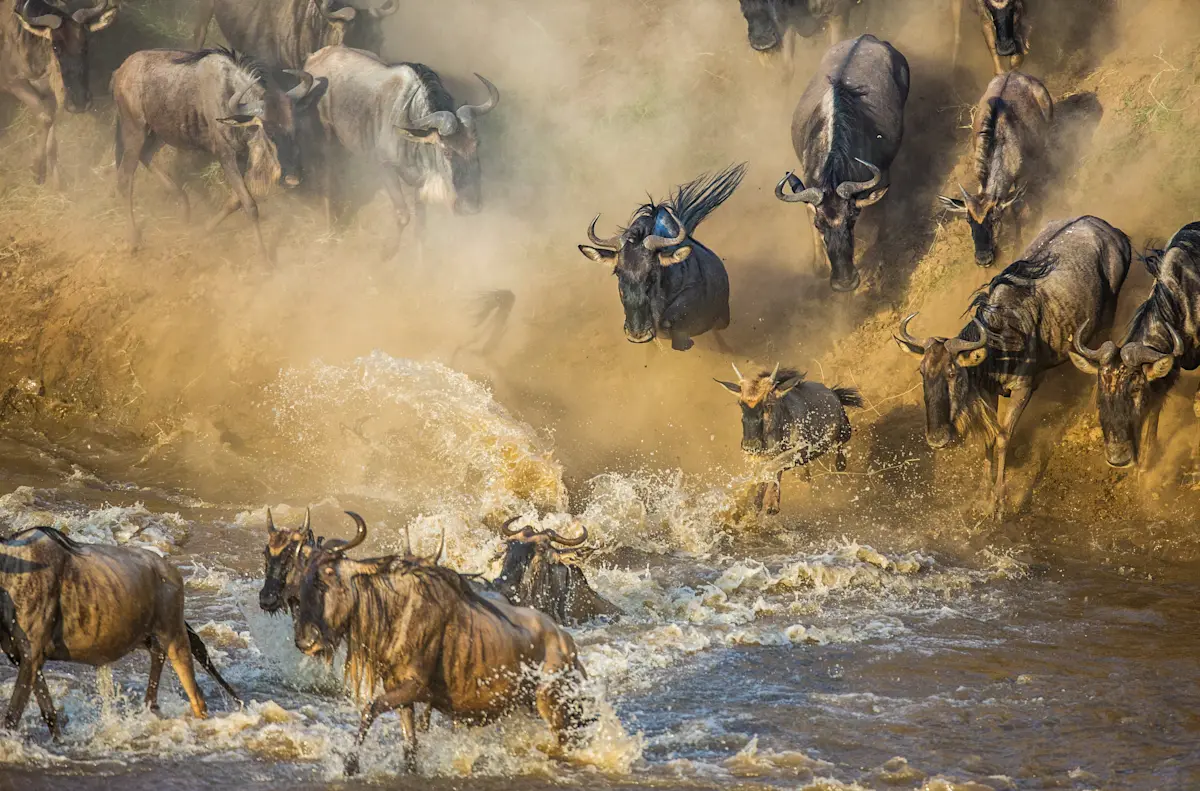
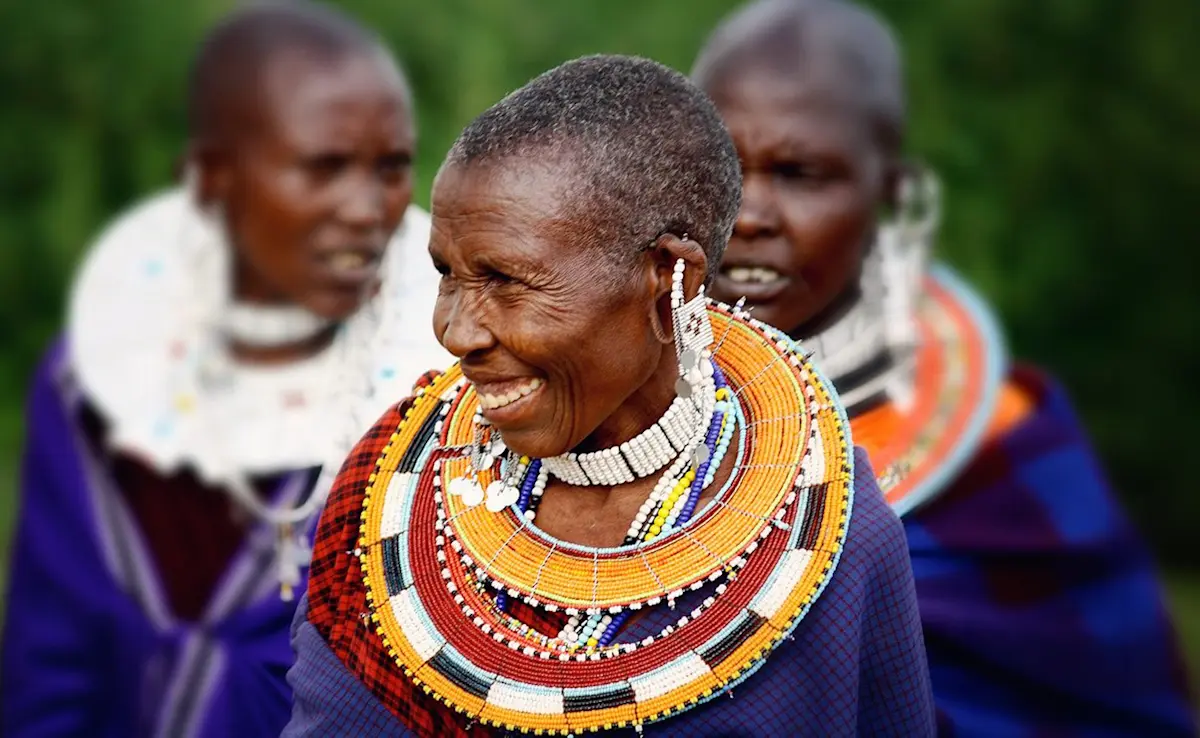
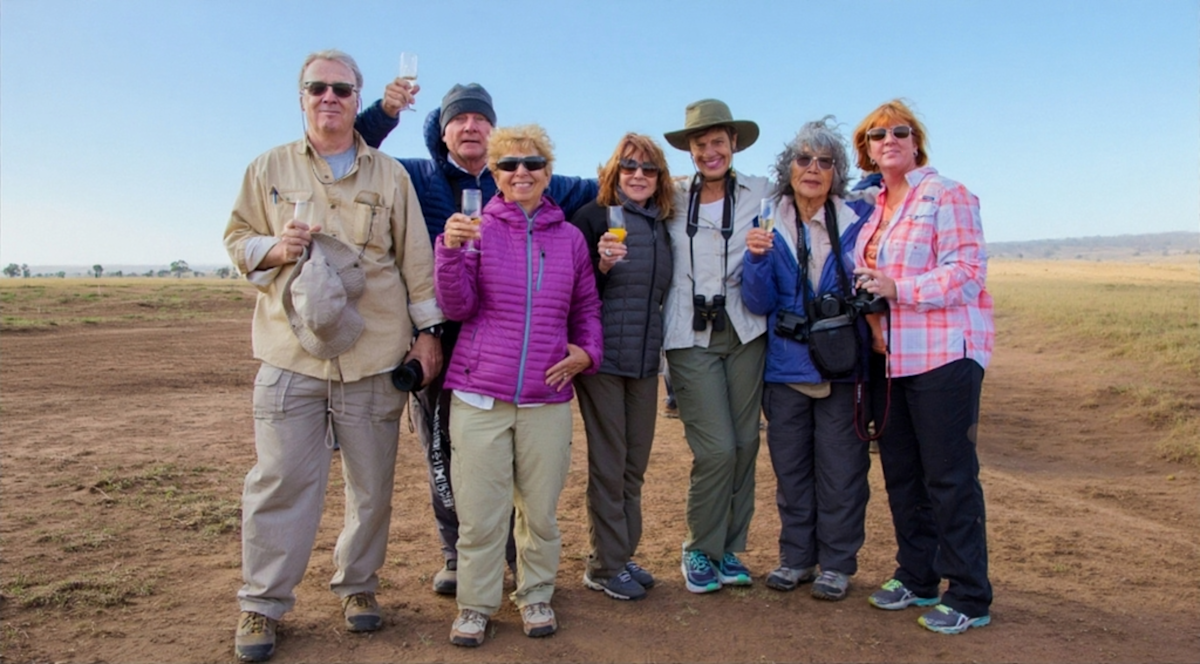
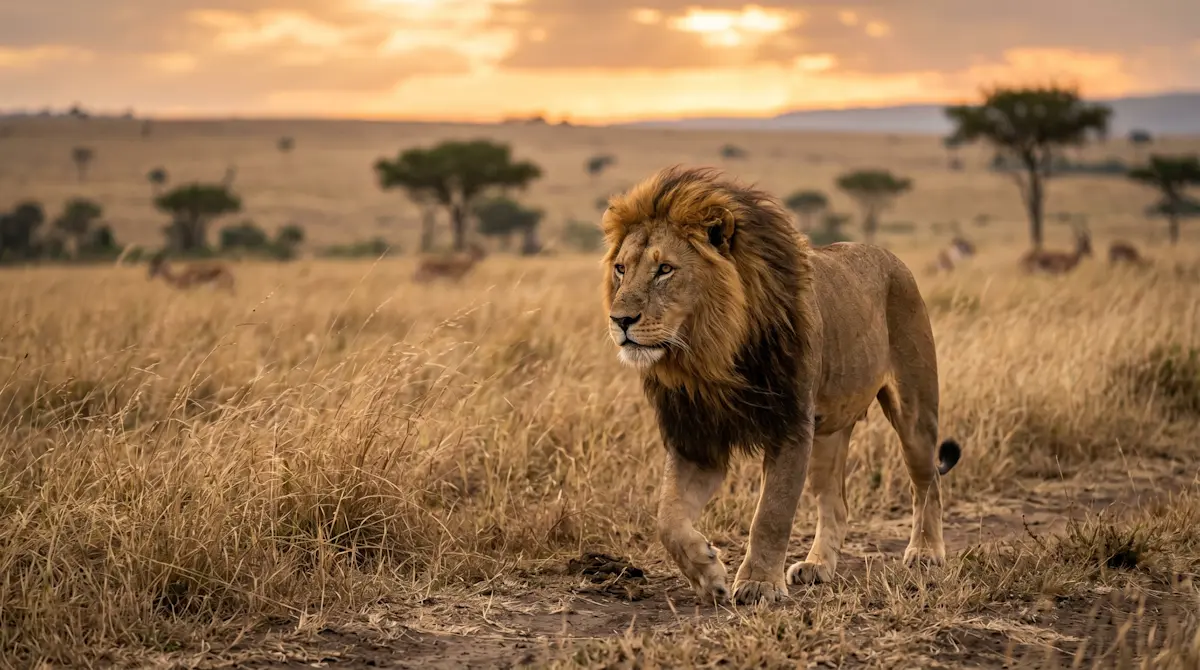
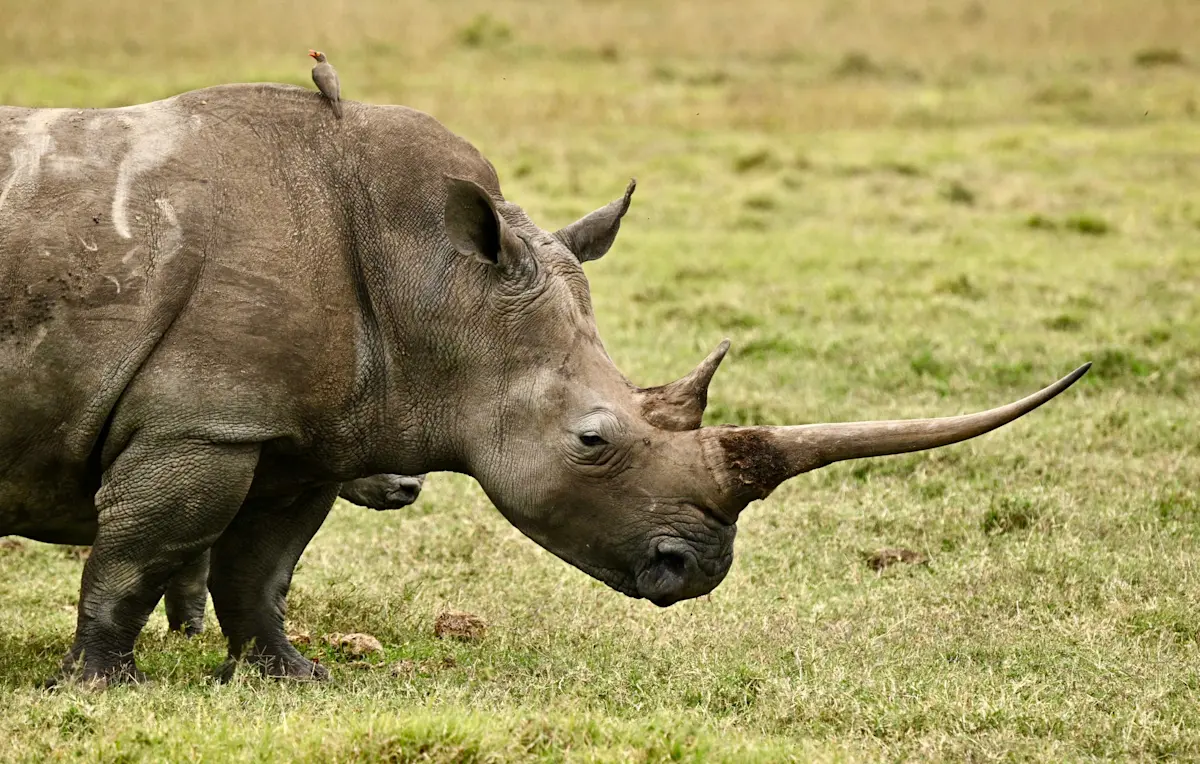
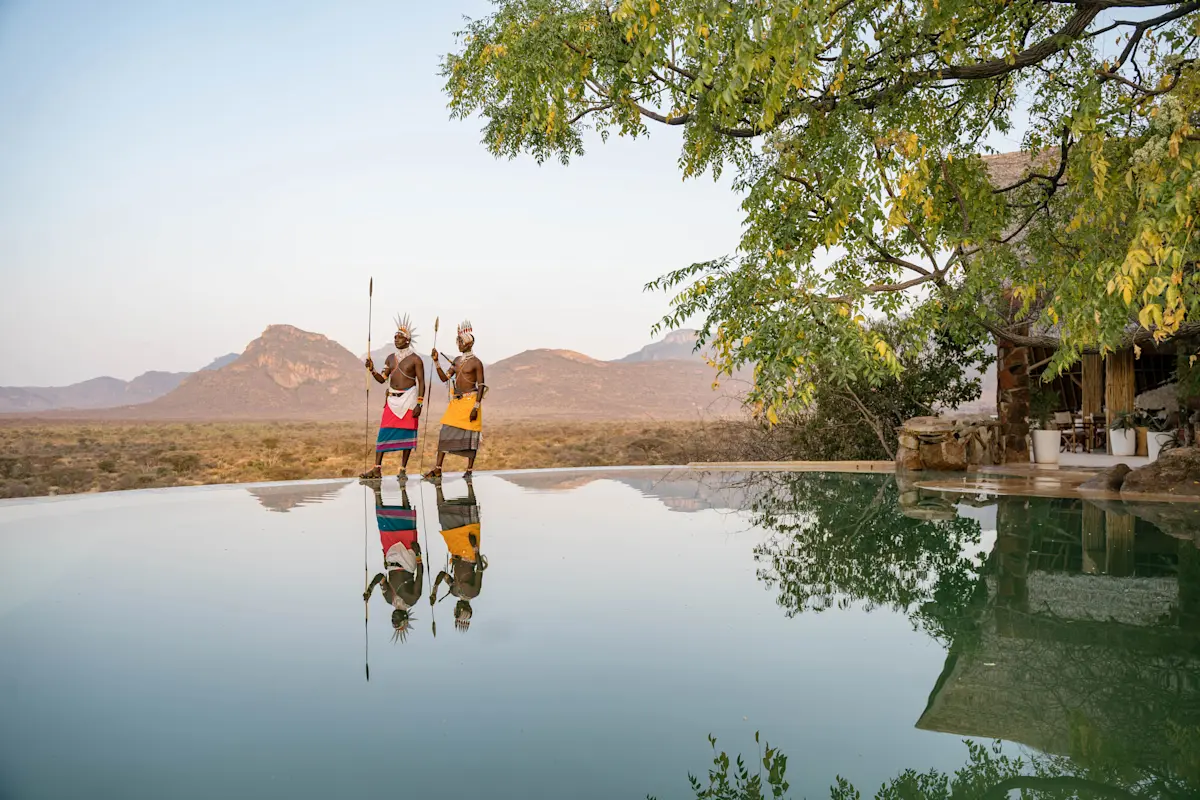
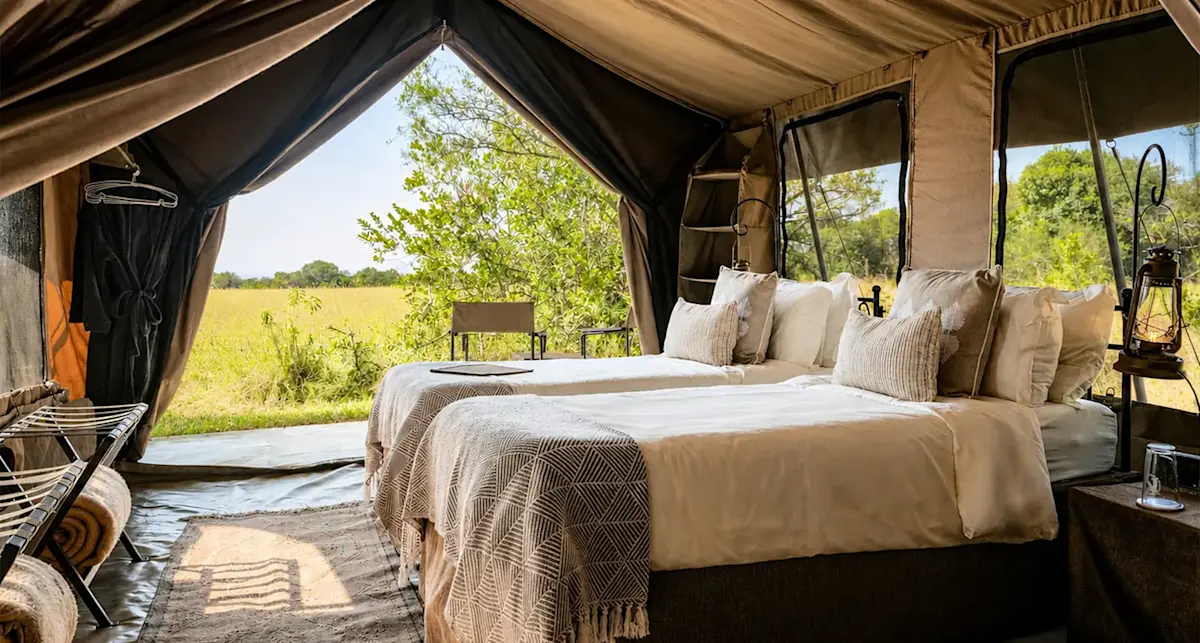
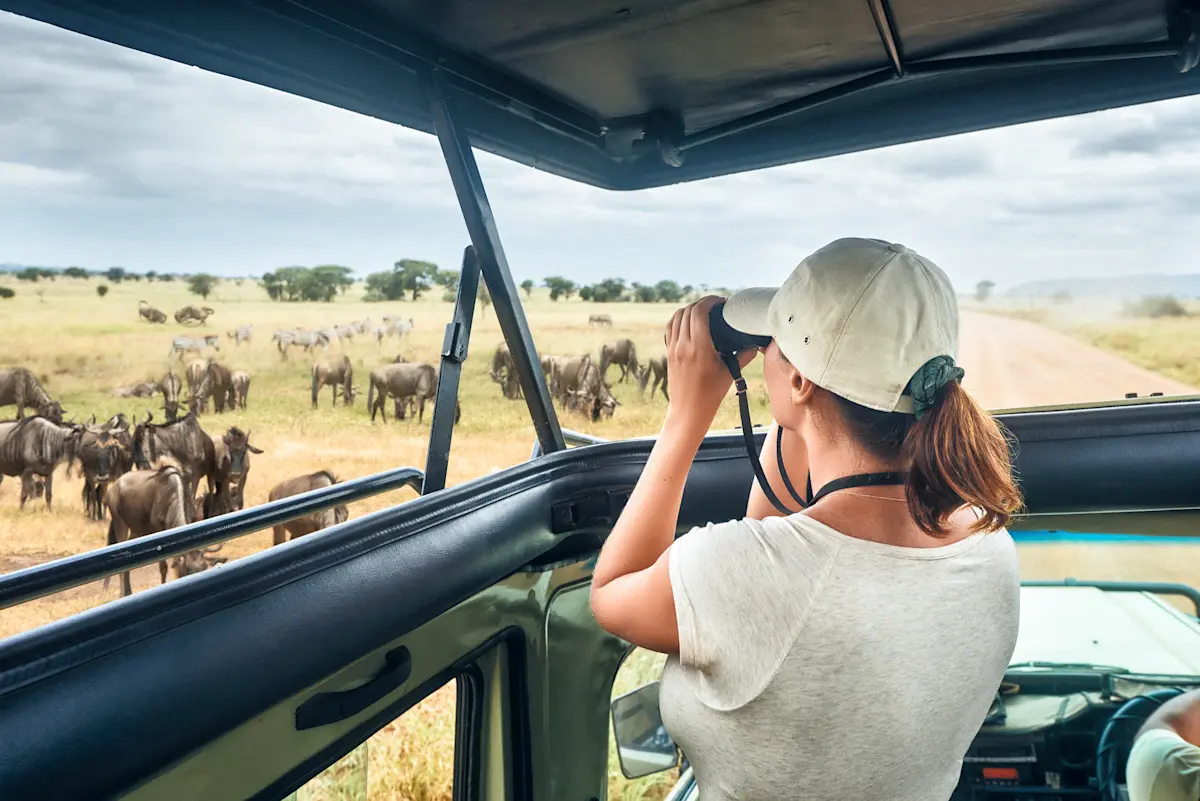
Photo 1 of 14
Trip Highlights
-
Experience East Africa’s Wildlife in Full
Search for elephants, lions, cheetahs, leopards, migrating herds, black rhinos, Grevy’s zebra, and more across Tanzania and Kenya’s varied wildlife habitats.
-
Meet the World’s Last Two Northern White Rhinos
Meet Najin and Fatu at Ol Pejeta, where around-the-clock armed guards protect the world’s last two northern white rhinos and conservationists work to save their subspecies.
-
See Elephant Rehabilitation in Action
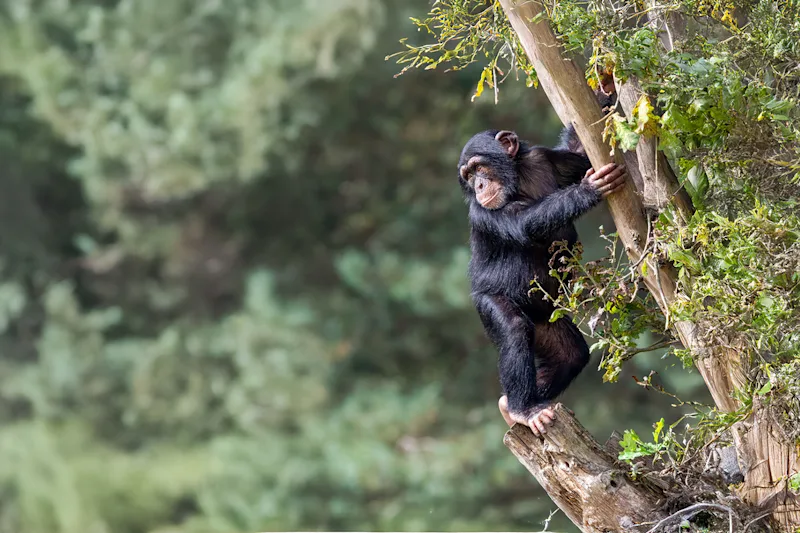
Visit Reteti Elephant Sanctuary to observe orphaned elephants and learn how community-led rescue and rehabilitation prepares them for release back into the wild.
Itinerary
Itinerary 1 itinerary
Day 1: Arusha, Tanzania
Meet your Tanzanian guide at Kilimanjaro International Airport and transfer to your accommodations in Arusha.
Settle in for the evening before flying into the Eastern Serengeti.
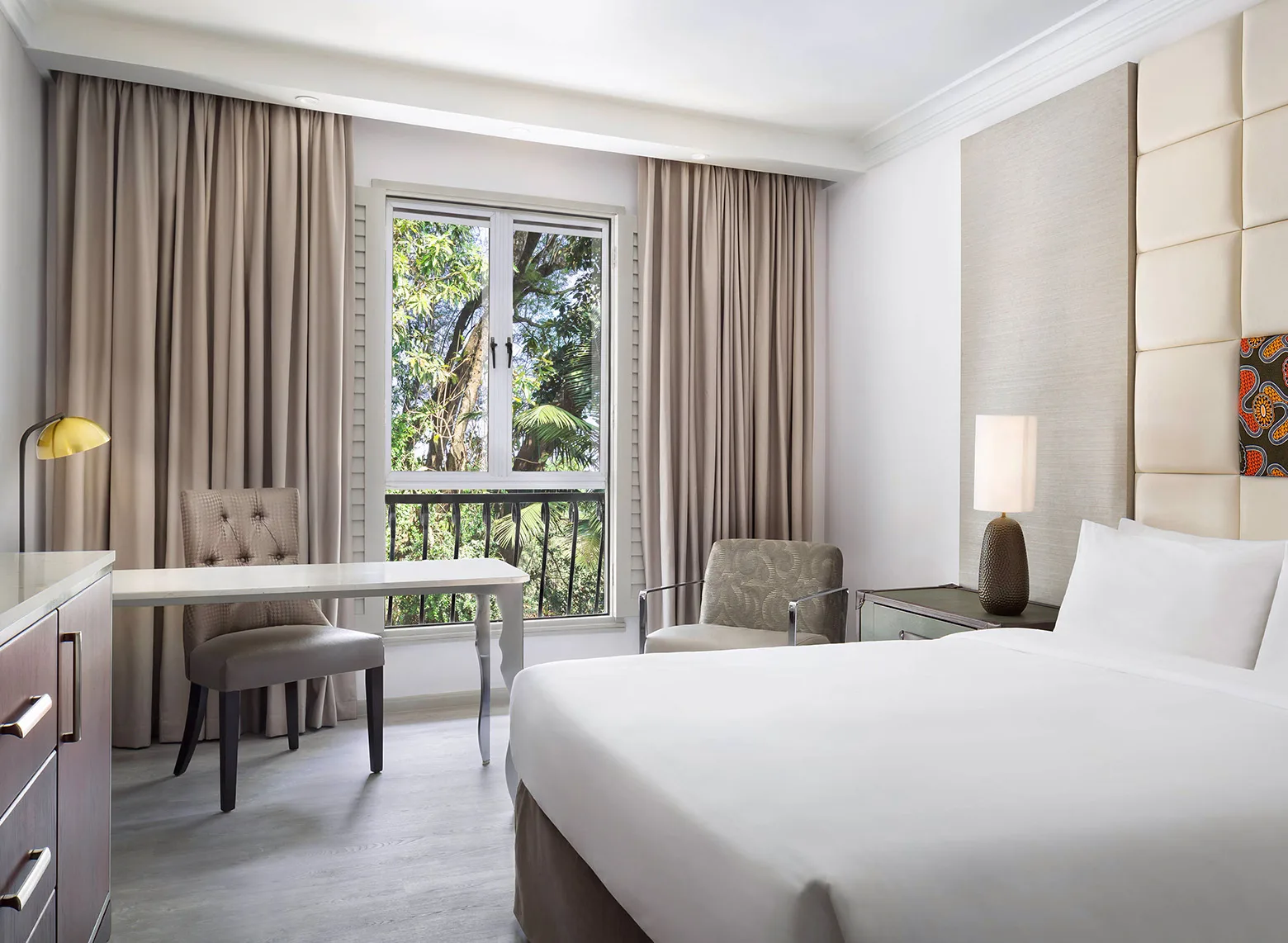
Your East African journey begins as soon as you step off the plane at Kilimanjaro International Airport, where a Thomson Safaris representative meets you to assist with baggage and oversee your smooth transfer to Arusha. Arrive at The Arusha Hotel, a historic property founded in 1894, nestled near the famous Clock Tower roundabout—the geographic midpoint between Cairo and Cape Town. Spend the rest of your day settling in and resting from your long flight. Stroll through the quiet green gardens, relax on the terrace with a cold drink, or recharge in your comfortable room.

Days 2 to 3: Eastern Serengeti Nature Refuge
Fly into a private 10,000-acre refuge, where giraffes, zebra, antelope, and other wildlife gather around the camp waterhole.
Walk through wildlife country by day, then head out after sunset to search for hyenas, aardvarks, bat-eared foxes, and other nocturnal species.
Visit a market run by the Enjipai Women’s Group and hear traditional stories from Maasai storytellers.
The Eastern Serengeti Nature Refuge is a private 10,000-acre sanctuary set aside through a 45-year partnership with the local Maasai community. Built on decades of trust, mutual respect, and shared goals, these deep-rooted relationships grant Thomson guests exclusive access to a protected ecosystem where people and wildlife thrive side by side. Time spent here offers a rare, intimate look at what authentic community-driven conservation achieves on the ground.
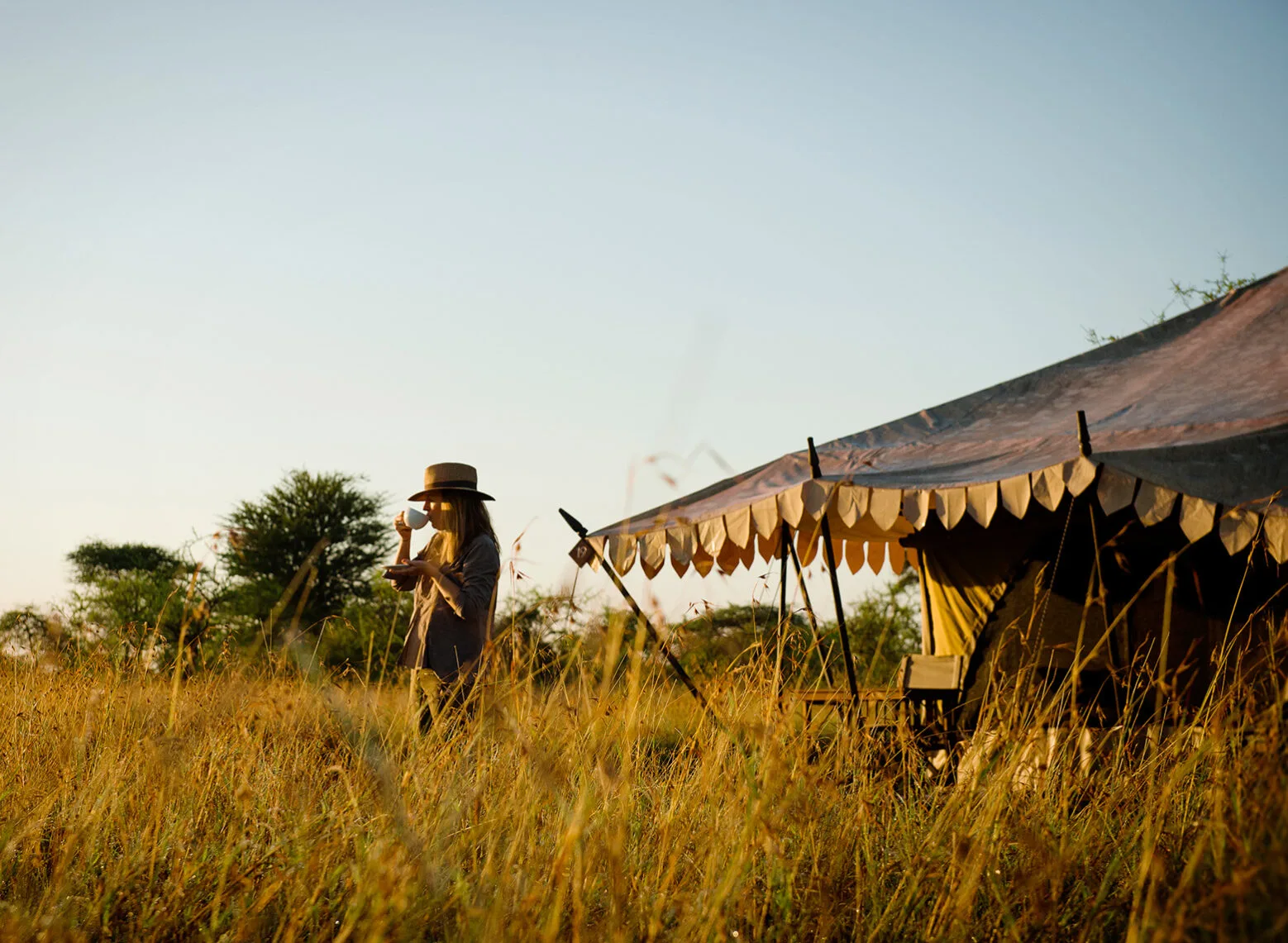
Mornings begin at camp watching baboons and warthogs gather at the nearby watering hole as you sip your coffee. Free from national park restrictions, you can step out of the vehicle to explore the savanna on foot alongside local Maasai guides—learning to identify animal tracks in the soil while giraffes and zebras graze on the horizon. After dark, set out with spotlights to scan the plains for elusive nocturnal species like hyenas, bat-eared foxes, and aardvarks. Between tracking sessions, meet local artisans at the Enjipai Women’s Group market and spend your evenings gathered around the campfire as Maasai elders share traditional folklore, giving you a genuine connection to the land and the people who have stewarded it for generations.

Days 4 to 5: Serengeti National Park
Explore open grasslands, acacia country, and granite kopjes in search of lions, cheetahs, leopards, elephants, giraffes, and other wildlife.
Watch for wildebeest and zebra moving through the Serengeti, with opportunities to encounter the Great Migration during its year-round circuit.
Discover how this immense, interconnected ecosystem sustains one of the planet’s greatest concentrations of large mammals and the predators that depend on them.
Drive west into Serengeti National Park, a UNESCO World Heritage Site of roughly 5,700 square miles and one of the oldest intact ecosystems on earth. Its name comes from the Maasai word for "endless plains," but the park is far more varied than that suggests. Grasslands give way to granite kopjes, acacia woodland, river corridors, and wetlands, and each supports its own mix of wildlife. Lions and leopards use the kopjes as lookouts, rock hyraxes and klipspringers live among the boulders, and cheetahs hunt across the open plains. Topi, ostriches, and secretary birds move through the grass, while hippos and Nile crocodiles fill the rivers. The wildebeest of the Great Migration travel through the ecosystem all year, and their movements shape where the predators hunt.
Two full days of wildlife drives give you time to cover this range. Your guide reads tracks, alarm calls, and the behavior of other animals to locate wildlife, and with no schedule pushing you along, you can stay at each sighting as long as you like. Each evening, you return to your seasonal Nyumba camp for a warm dinner and a night under the stars.

Days 6 to 7: Ngorongoro Crater & Highlands
Visit Olduvai Gorge en route to the crater, where discoveries spanning millions of years have helped illuminate the story of early human evolution.
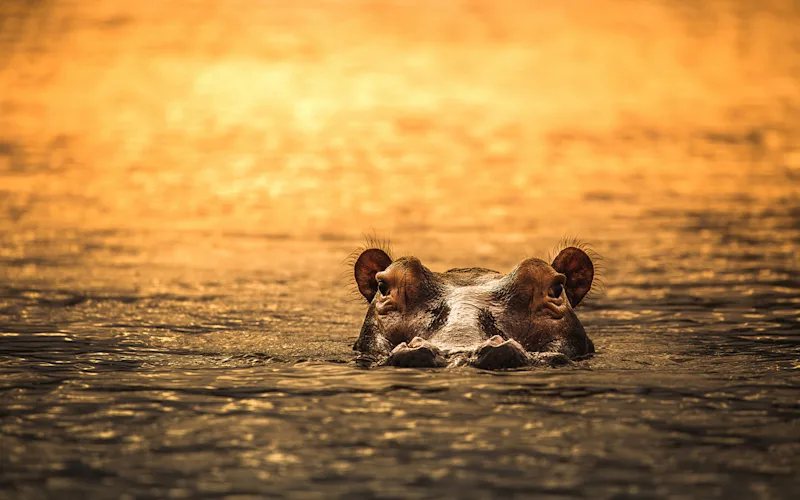
Descend 2,000 feet into Ngorongoro Crater to search its grasslands, wetlands, and forests for lions, elephants, hippos, buffalo, and rare black rhinos.
Stay on the crater rim for early access to the wildlife-rich floor, with a picnic near a hippo pool and dinner back at camp in the highlands.
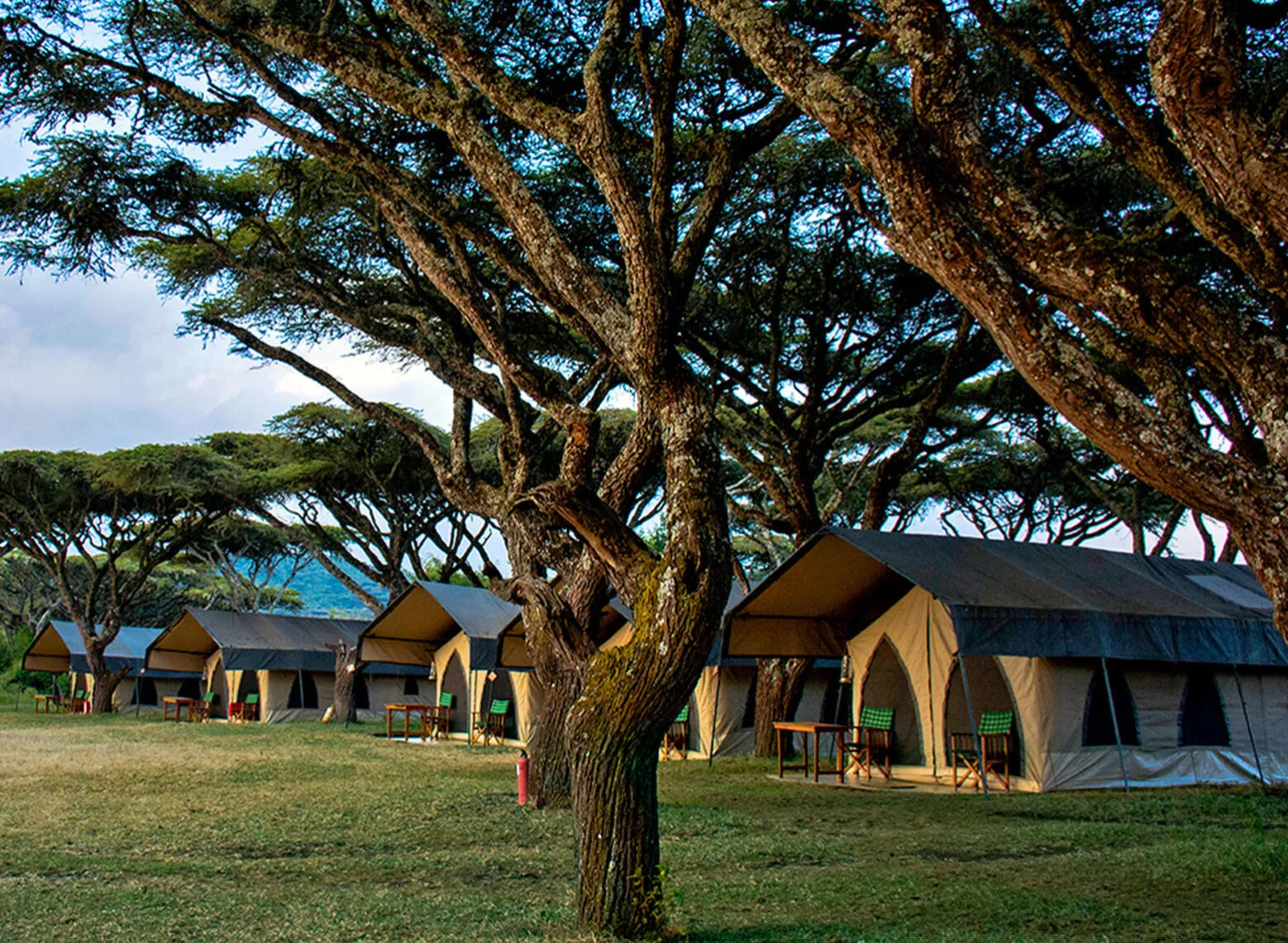
The drive to the Ngorongoro Conservation Area includes a stop at Olduvai Gorge, where fossil discoveries have reshaped what scientists know about early human origins. From there, the road climbs into the cool highlands to your camp on the crater rim, so the next morning's descent into the caldera begins just steps from where you sleep.
Ngorongoro is one of the few places in Africa where you can look for the Big Five in a single morning. At dawn, you drop 2,000 feet to the crater floor, a 100-square-mile area with one of the highest concentrations of wildlife on the continent. Lions, elephants, and buffalo are the main sightings, along with the critically endangered black rhino, which is far easier to find here than almost anywhere else. Leopards, the fifth of the Big Five, live in the crater's woodland and are seen less often. A picnic lunch by a hippo pool breaks up the day before you climb back to the rim for a campfire and a hearty dinner at camp.

Day 8: Arusha & Nairobi
Return to Arusha and browse Tanzanian art, woodcarvings, and gemstones at the Cultural Heritage Centre.
Have lunch at Arusha Coffee Lodge before flying across the border to Nairobi.
Arrive in Kenya for the second half of the safari, where wildlife viewing brings you increasingly close to some of Africa’s most consequential conservation work.
Travel overland back toward Arusha for a cultural interlude at the Cultural Heritage Centre, exploring extensive galleries of African art, intricate woodcarvings, and rare tanzanite gemstones. Bidding farewell to your Tanzanian safari crew, make your way to the nearby Arusha Coffee Lodge to enjoy a delicious lunch set within the leafy coffee estate gardens.
In the afternoon, board your flight across the border into Kenya, landing in the vibrant capital of Nairobi. Transfer smoothly to your hotel for the evening, relaxing in comfort as you prepare for the next chapter of your journey focused on Kenya's leading frontline wildlife conservation initiatives.

Days 9 to 11: Ol Pejeta Conservancy
Fly north to the 90,000-acre Ol Pejeta Conservancy on the Laikipia Plateau, where elephants, predators, Grevy’s zebra, and abundant wildlife roam beneath Mount Kenya.
Search for black rhinos by day and explore after dark, discovering how Ol Pejeta combines wildlife protection, anti-poaching work, community partnerships, and tourism.
Visit Najin and Fatu, the world’s last two northern white rhinos, for a rare encounter that brings the urgency of rhino conservation into startling focus.
Take a morning flight north to the Laikipia Plateau, touching down in the expansive 90,000-acre Ol Pejeta Conservancy with Mount Kenya looming in the distance. This thriving sanctuary supports healthy populations of black rhinos, elephants, lions, and the rare Grevy’s zebra. Enjoy flexible safari activities across three days, combining traditional morning wildlife drives with evening night drives that reveal active predators and nocturnal wildlife.
During your stay, go behind the scenes of Ol Pejeta’s groundbreaking conservation model to see how anti-poaching units, livestock integration, and community outreach protect native species. Highlighted by an emotionally stirring visit to meet Najin and Fatu—the last two northern white rhinos on Earth—you’ll stand just feet from these heavily guarded creatures while learning directly from the rangers dedicated to saving their subspecies.

Days 12 to 14: Namunyak Conservancy & Reteti Elephant Sanctuary
Fly into remote Namunyak Community Conservancy, where Samburu communities are protecting wildlife and habitat across the rugged landscapes of northern Kenya.
Walk to Reteti Elephant Sanctuary to watch young elephants receive their bottles and learn how keepers rescue, rehabilitate, and prepare them for life back in the wild.
Witness the Samburu Singing Wells, where herders sing individual calls as their livestock come forward to drink, continuing a tradition rooted in this arid landscape.
Board a flight north into the rugged, granite-peaked wilderness of the Namunyak Community Conservancy, a striking landscape stewarded by local Samburu communities. Here, wildlife protection is deeply woven into local tradition. Visit the inspiring Reteti Elephant Sanctuary, Africa's first community-owned elephant orphanage, to watch dedicated keepers bottle-feed rescued calves and learn how young elephants are rehabilitated for eventually returning to wild herds.
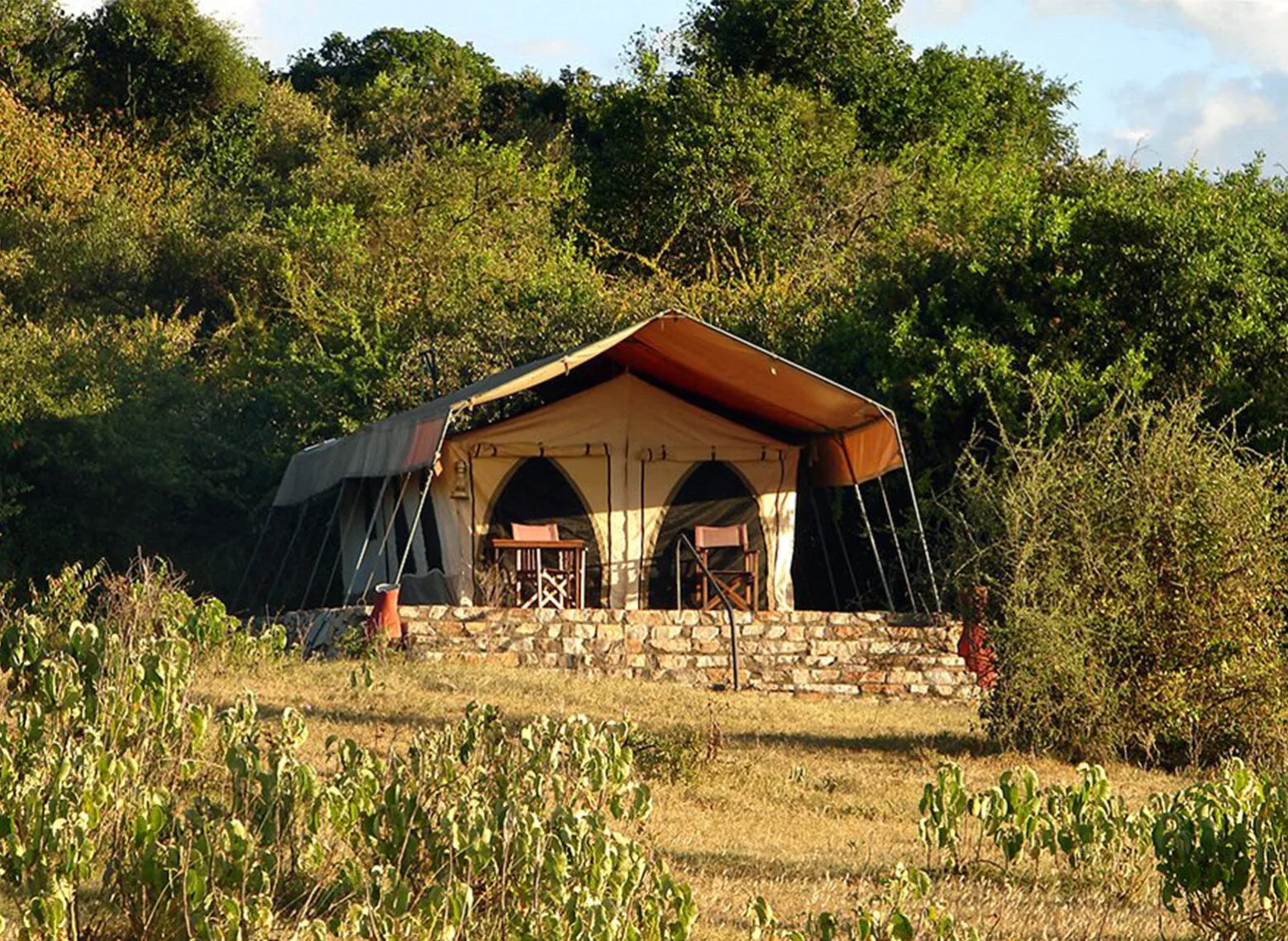
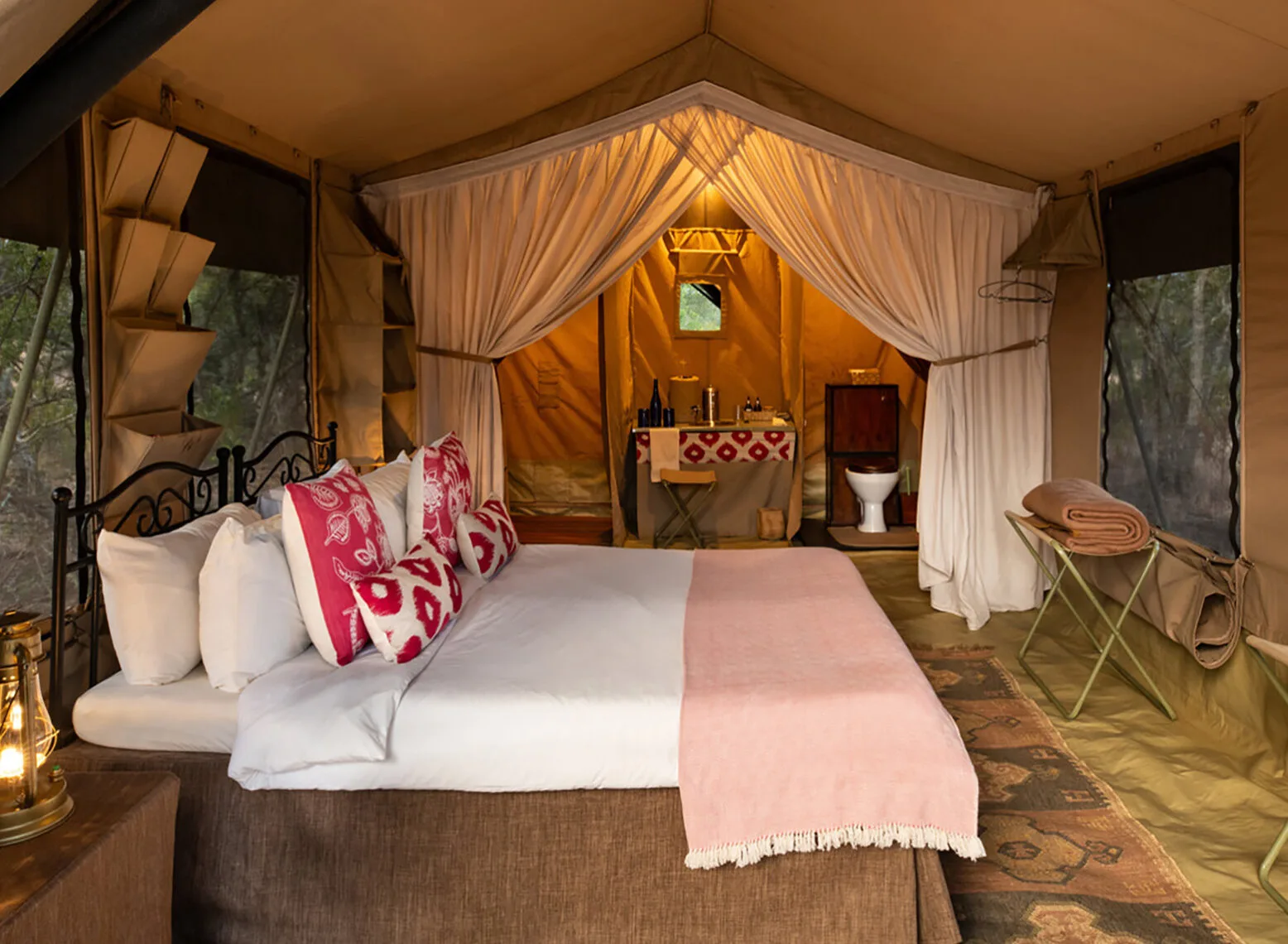
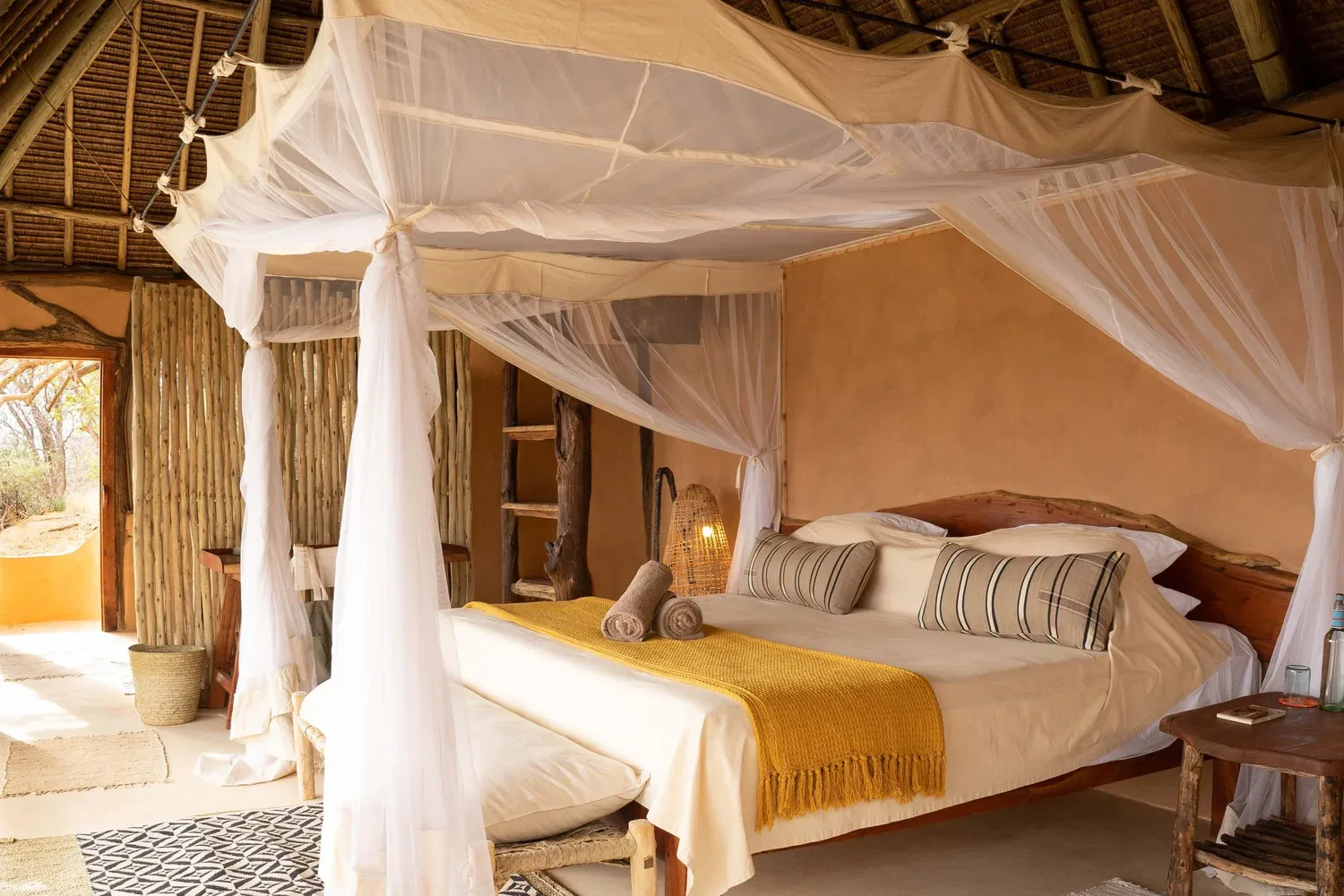
Experience deeply authentic cultural moments as you visit the ancient Samburu Singing Wells, where local herders sing unique family melodies to lead their livestock down to water in the dry riverbeds. Spend your afternoons walking through mountain valleys and enjoying peaceful wildlife drives across this untamed landscape before unwinding each night in an intimate, eco-friendly bush camp.

Day 15: Nairobi, Kenya
Return to Nairobi and relax in a private day room at Four Points Nairobi.
Transfer to the airport for your flight home.
Take a final scenic flight back from Namunyak to Nairobi, taking in aerial views of Kenya's varied terrain one last time. Upon arrival in the capital, head directly to your private day room at the Four Points by Sheraton Nairobi Airport to relax and refresh ahead of your long flight home. When it's time for departure, step right over to the airport terminal for your evening flight home.
Add-Ons
Add-On
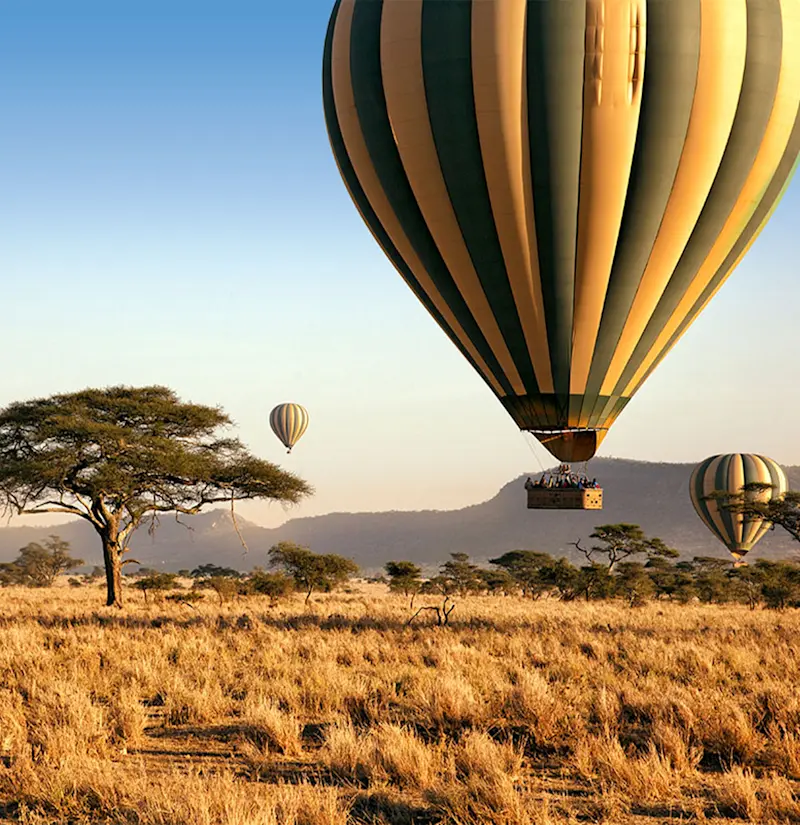
Fly over the Serengeti
Enjoy a bird’s eye view, a hearty breakfast and a glass of champagne during a morning hot air balloon tour. Your entire trip will be unforgettable, but this will bring it to new heights.
Call for current pricing. Advanced reservations required.
Accommodations
Dates, Prices & Info
As of July 1, 2016, Tanzania imposed a new Value Added Tax (VAT) on tourism activities. VAT starts at $300 and varies by trip. Single accommodations start at $800 and vary by trip. All prices are subject to change without notice.
Group Size
This departure requires a minimum of 4 guests to operate. Small group size varies from trip to trip. One thing’s for sure: you’ll have plenty of elbow room, 360-degree sightlines, and a guaranteed window seat.
What's Included
Your safari land package includes all accommodations, meals, park fees, water, airport transfers aligned with Delta/KLM flights, services of guides and drivers, and internal flights as noted in itinerary.
Not Included
International airfare, other than flights noted in the itinerary, is not included.
Additional costs may include tips for guides, drivers, and staff, bar beverages, laundry service, phone calls, passport and visa fees, souvenirs, and travel insurance.
Your pre-departure packet includes visa application instructions and information on travel insurance and tipping.
Important Information
A 20% deposit is required to reserve your space. This deposit is non-refundable and non-transferable. Full payment is due 90 days prior to the first land day of the trip.
Notification of cancellation must be made in writing to Thomson Safaris. At the time we receive the cancellation, all moneys will be refunded less the following cancellation charges:
91 days or more before departure: cancellation fees equal the amount of your deposit
90 to 61 days before departure: 50% of the package price is non-refundable
60 to 46 days before departure: 65% of the package price is non-refundable
45 days or less before departure: 100% of the package price is non-refundable
No partial refunds will be given for unused meals, hotel rooms, airport transfers, etc., for any reason whatsoever. Thomson Safaris reserves the right to increase the tour price in the event of cost increases due to changes in airfares, currency fluctuations, park fee increases, fuel surcharges, taxes, etc. Accommodations are subject to change.
Travel Insurance
Thomson strongly encourages you to purchase travel insurance within two weeks of making your deposit to protect your investment, as we are not able to make changes to our cancellation policy for any reason. Travel Guard comes highly recommended by our guests.
Getting There & Getting Home
Delta/KLM have by far the quickest, easiest routing: an overnight flight from North America brings you to Amsterdam for a brief layover before arriving at Kilimanjaro International Airport. Our scheduled trips and airport transfers are designed with the KLM arrival schedule in mind, so check with your safari consultants or trip managers before making arrangements with a different airline.
You’ll find your guide at the airport holding a Thomson Safaris placard with your name on it.