Hone Your Craft
Great Migration Photo Safari
Overview
- Limited to 14 Travelers
Capture Tanzania at its most dynamic, from big cats in the Serengeti to immense wildebeest herds gathering along the Mara River. Only three guests travel in each safari vehicle, giving every photographer a full row and the space and time to compose the shots you came to Tanzania to frame. Expert Tanzanian guides position you for wildlife, light, and perspective, while photographer and professor Wesley Bernard offers hands-on instruction in the field. Increased baggage allowances accommodate serious camera gear, and dedicated tech tents keep it charged and ready for the next opportunity.
Gallery
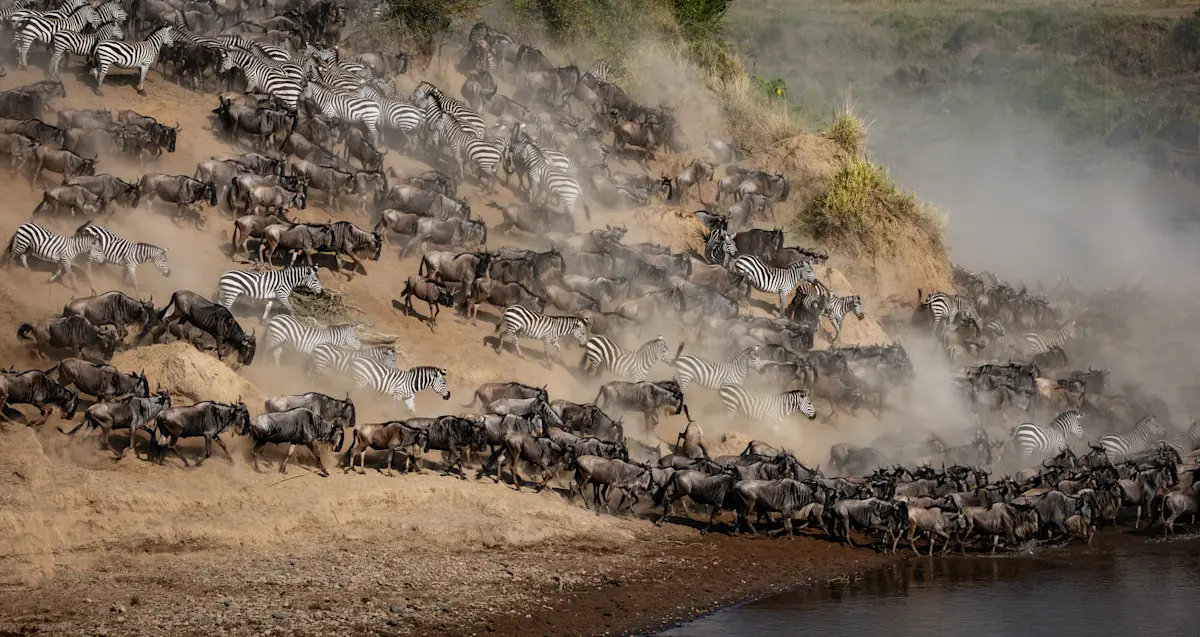
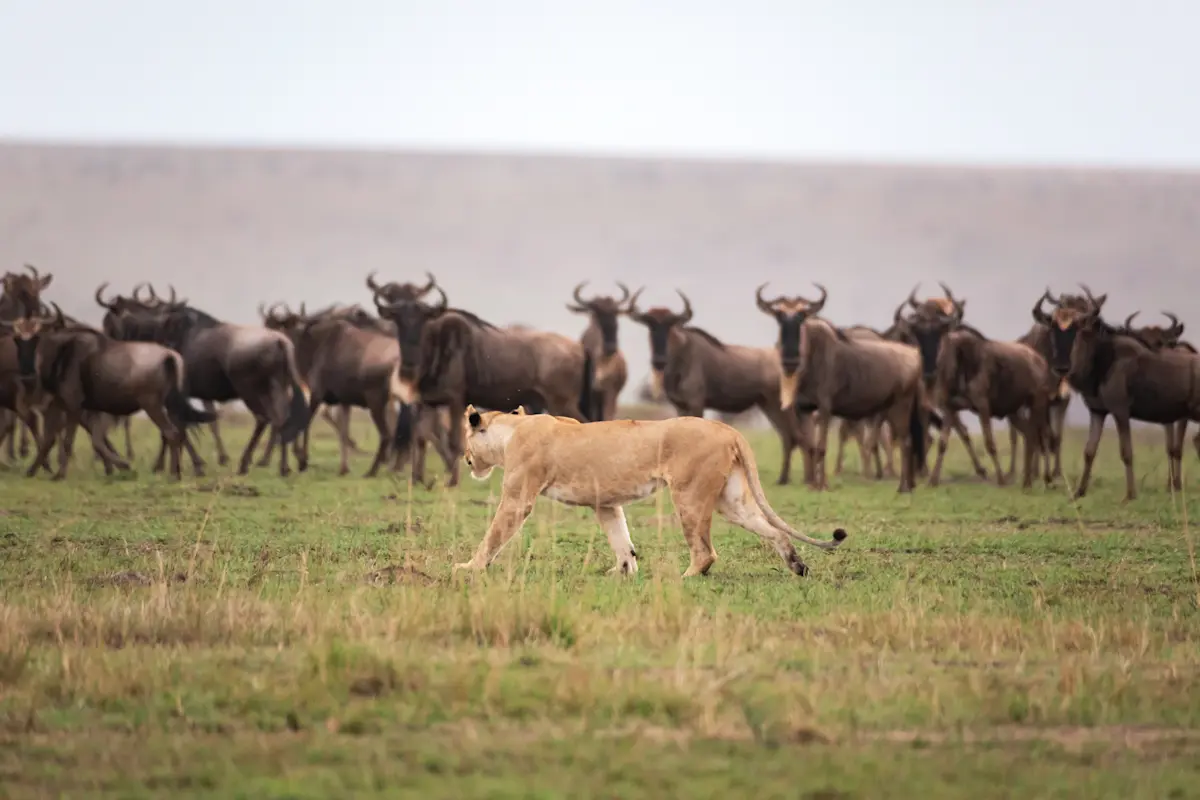
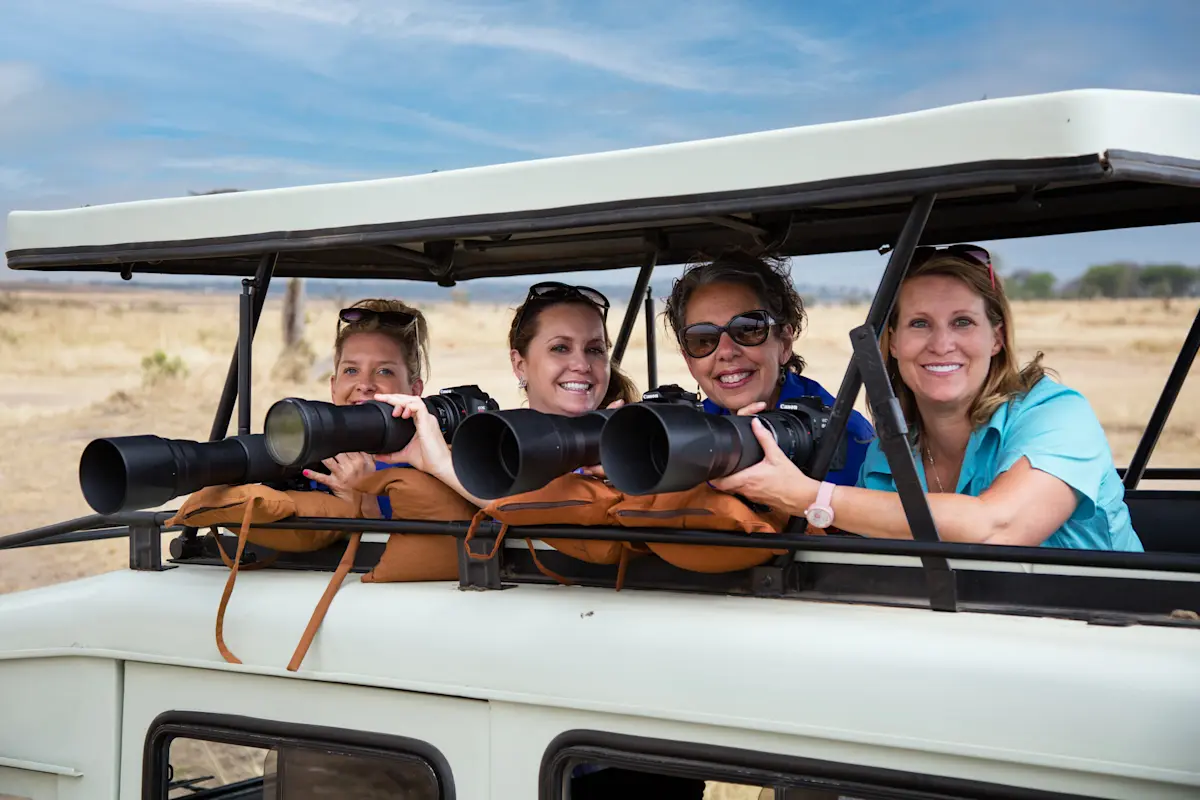
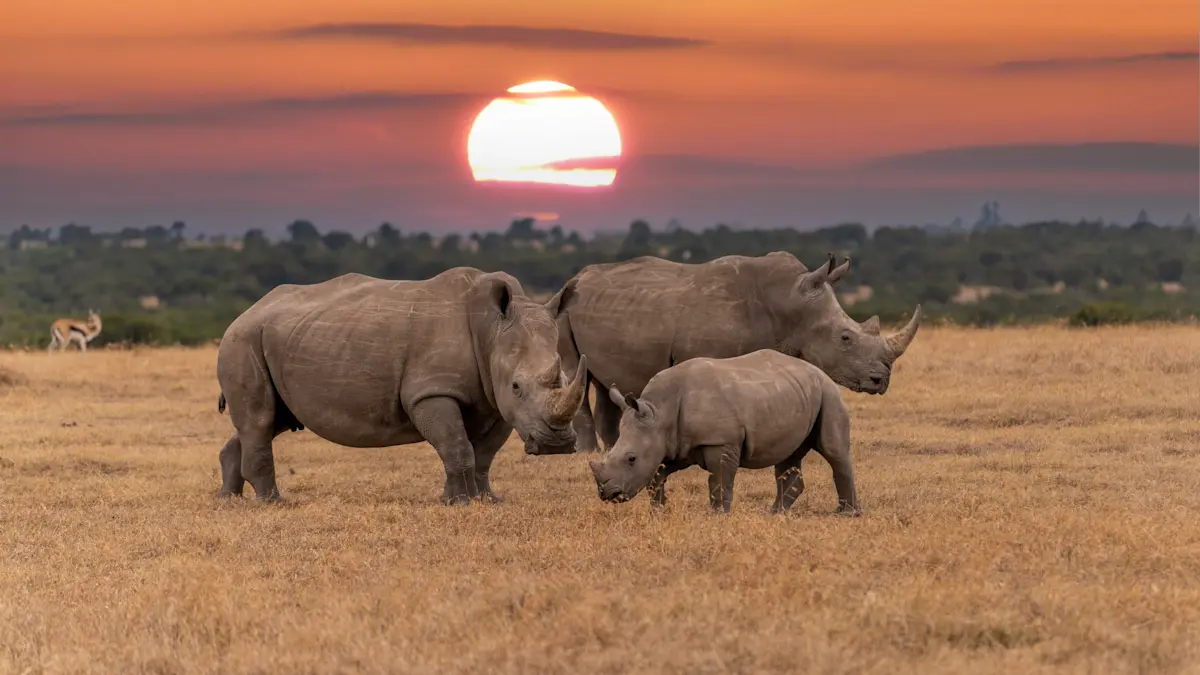
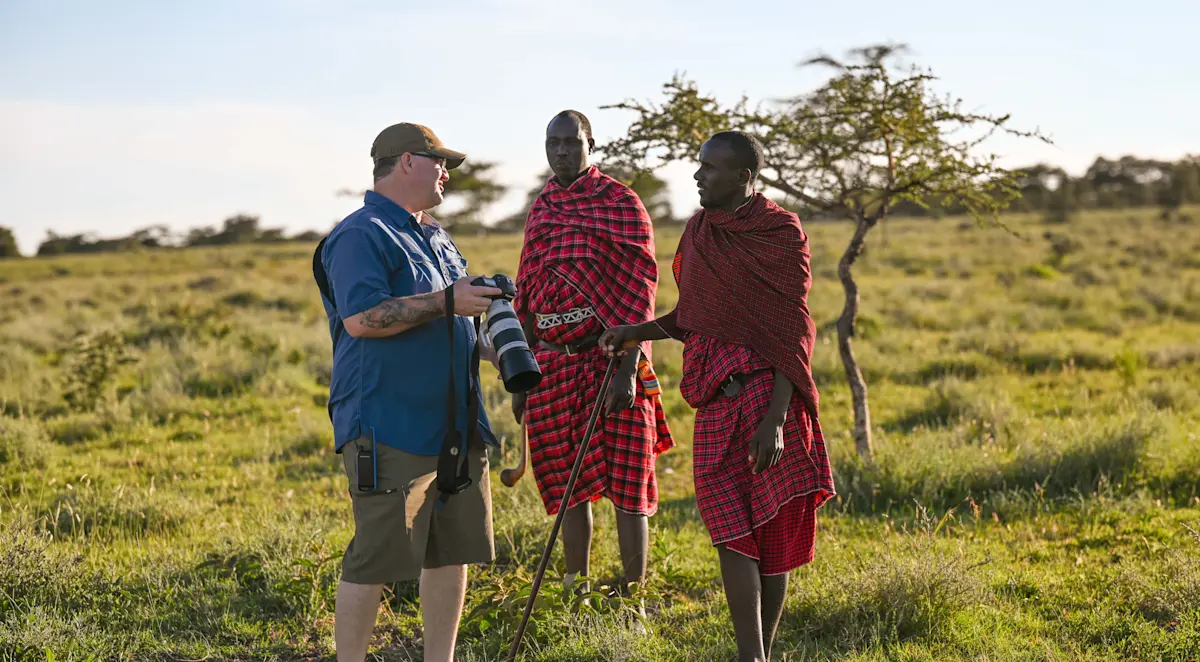
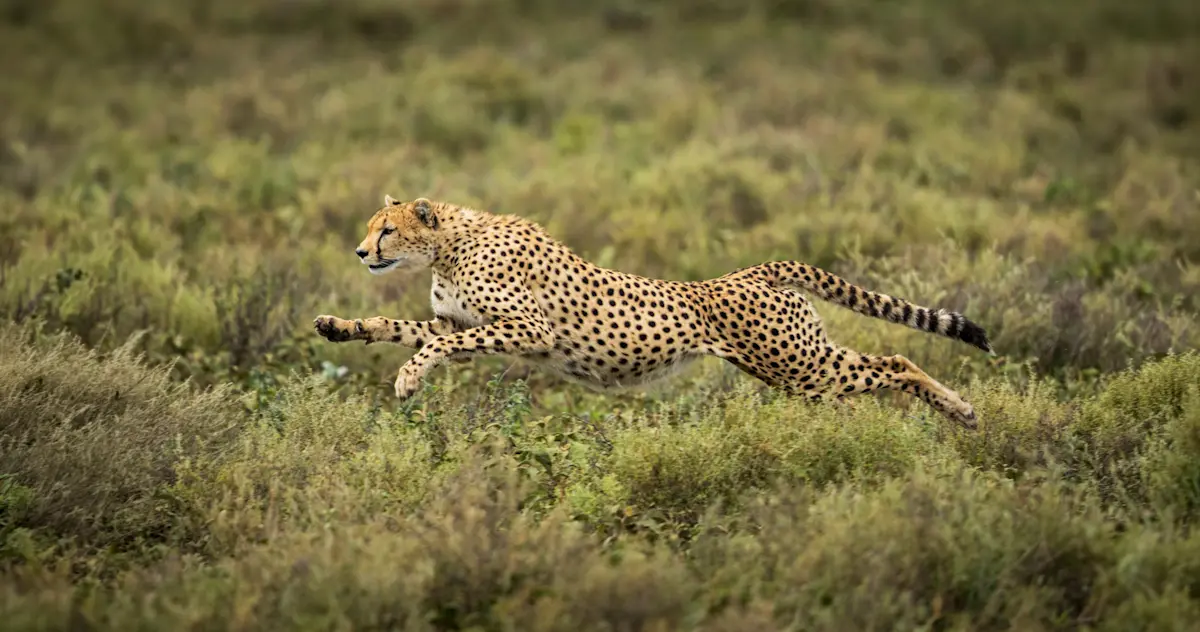
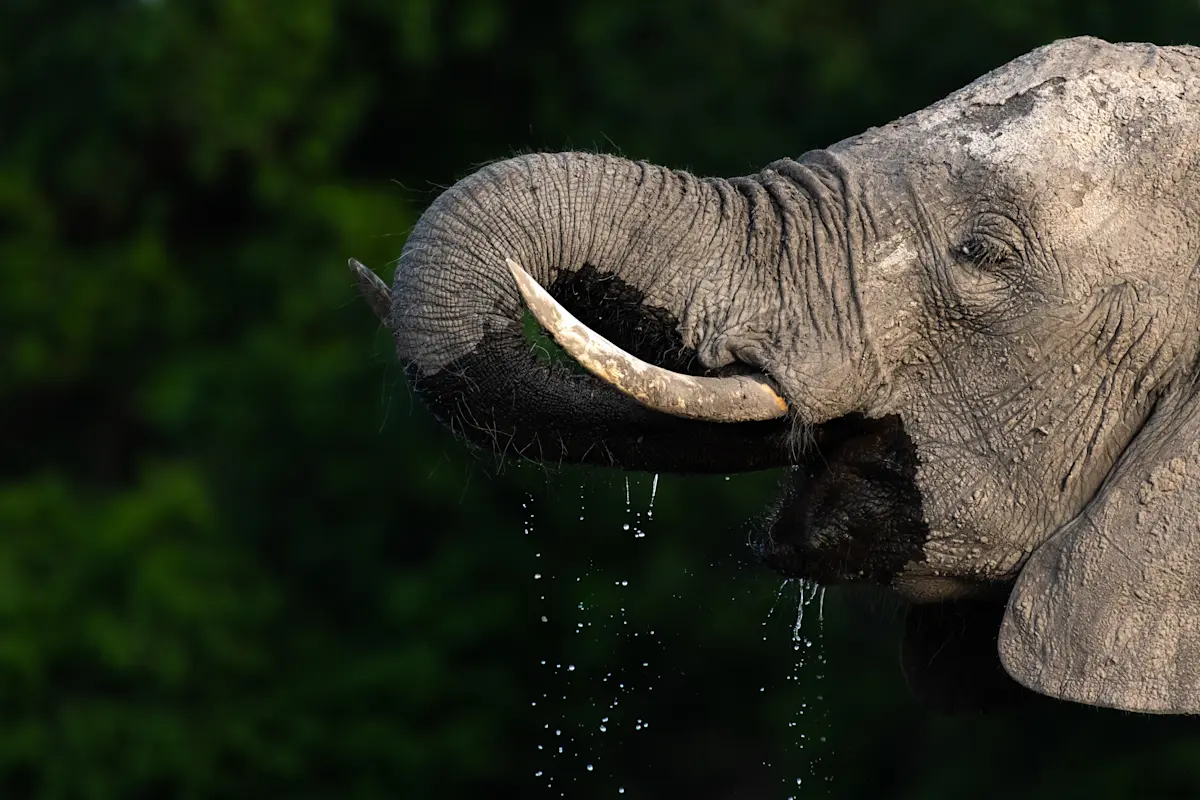
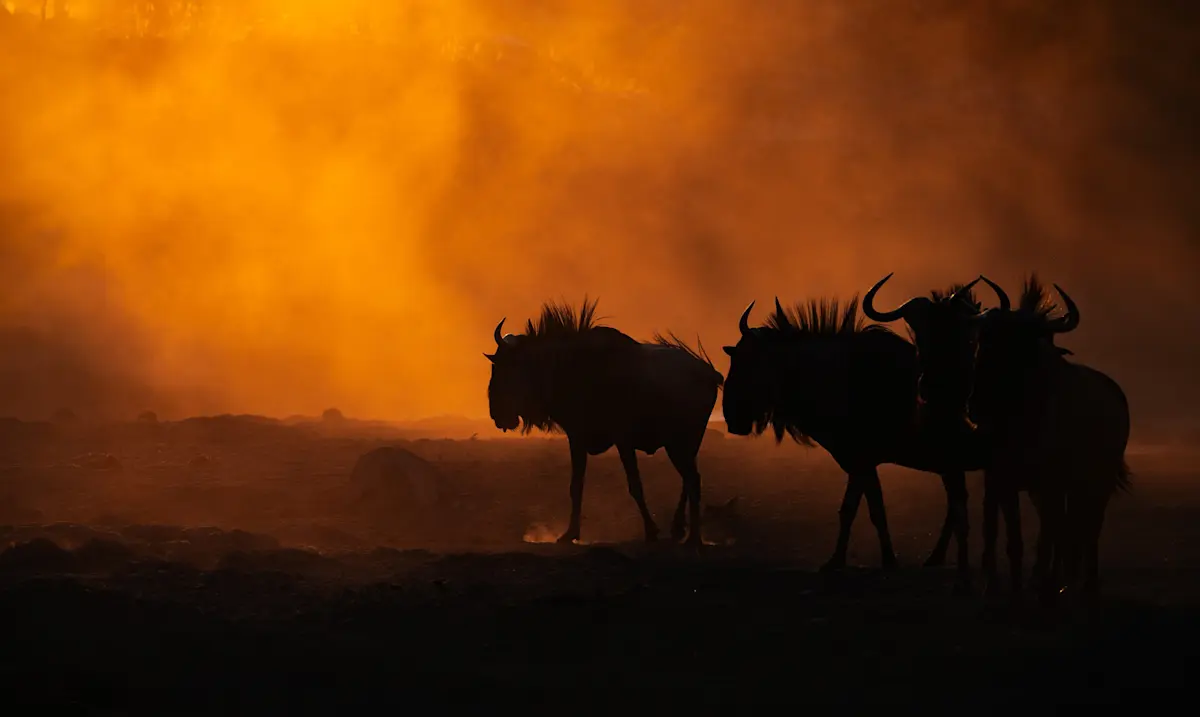
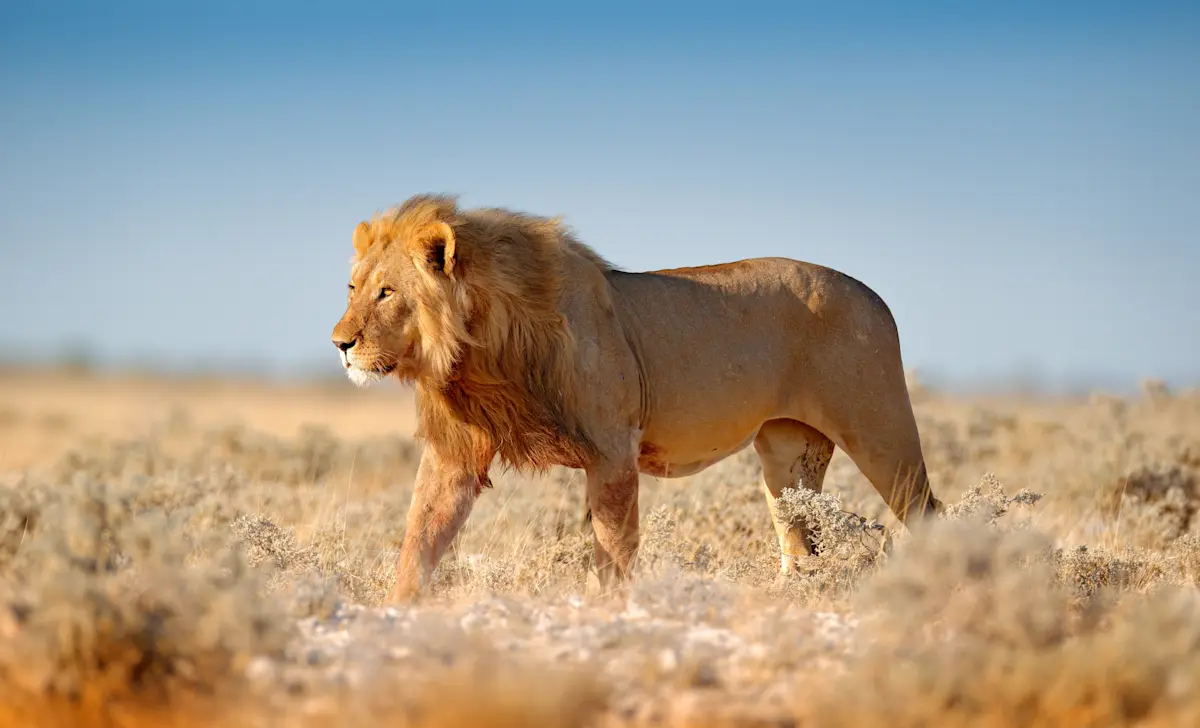
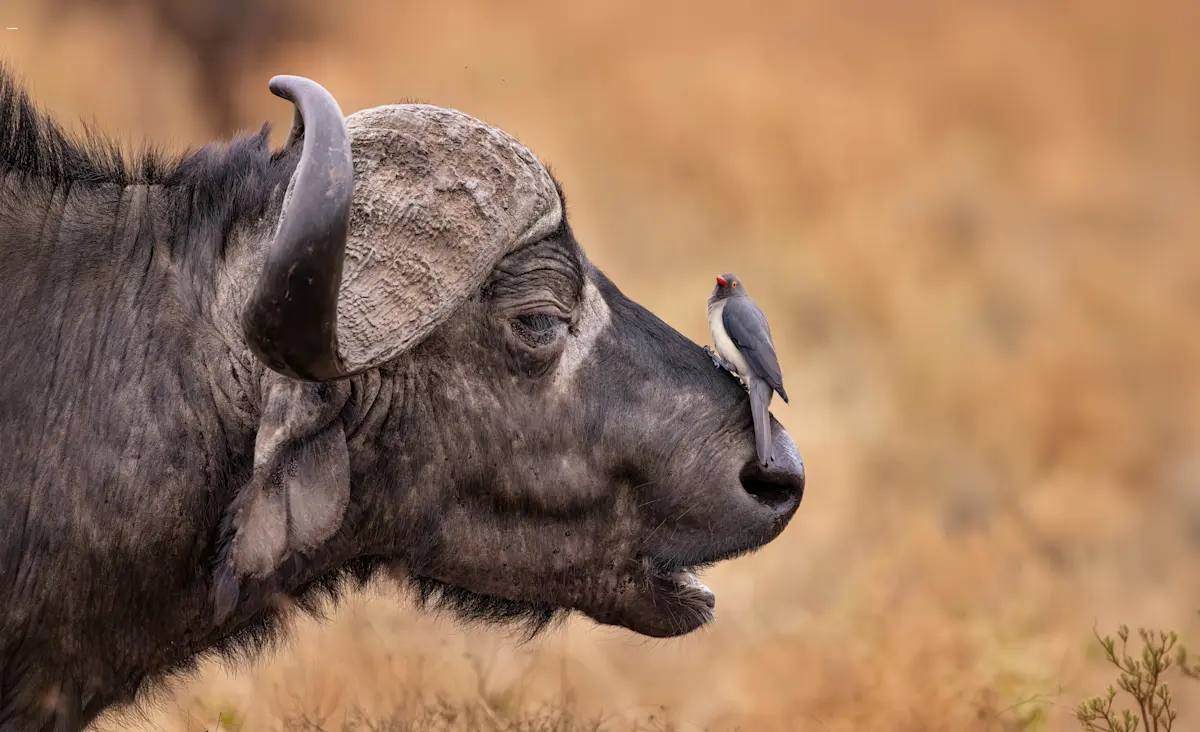
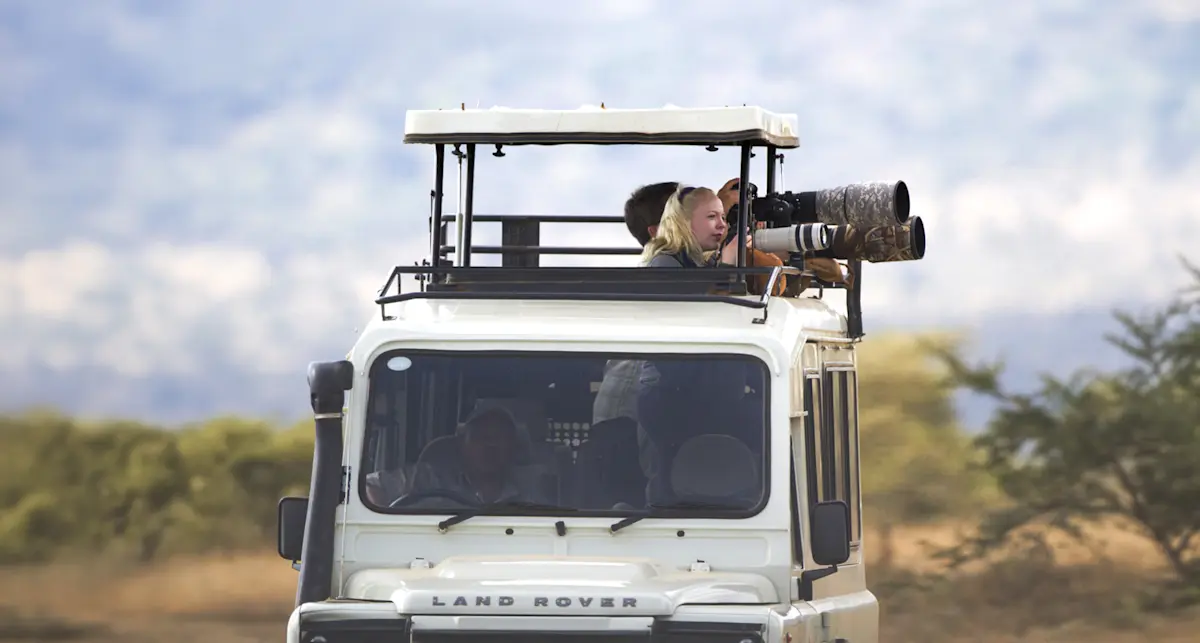
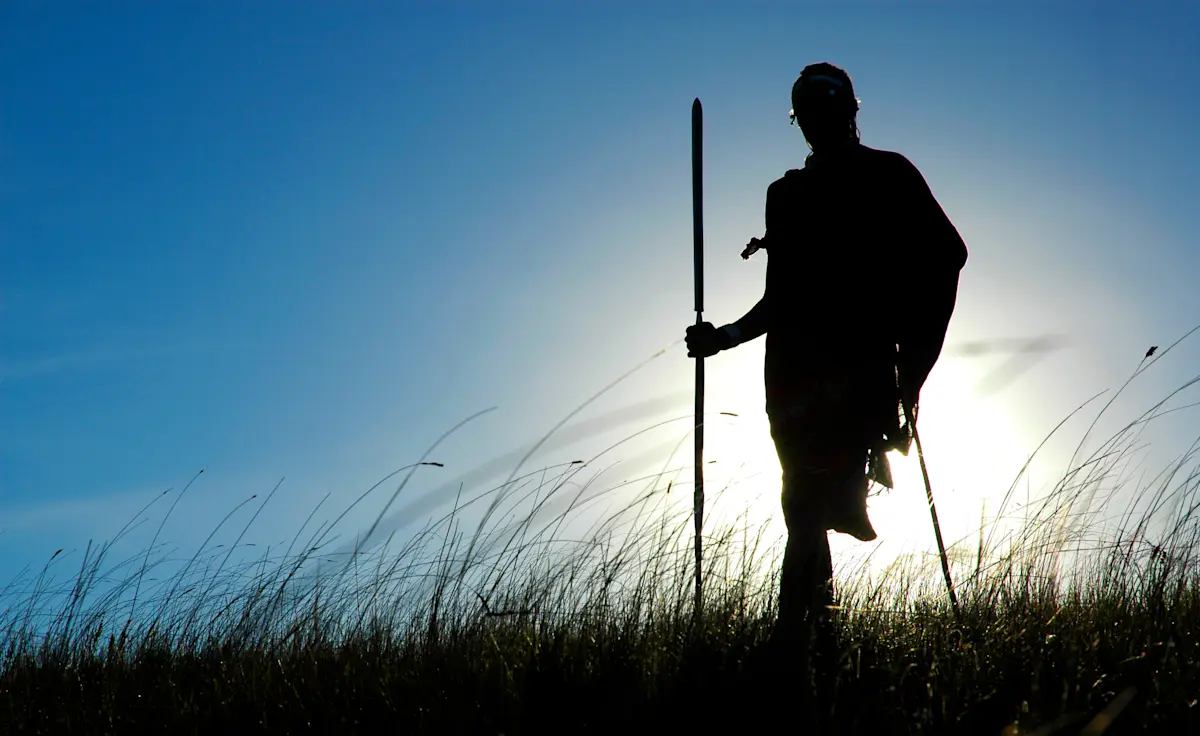
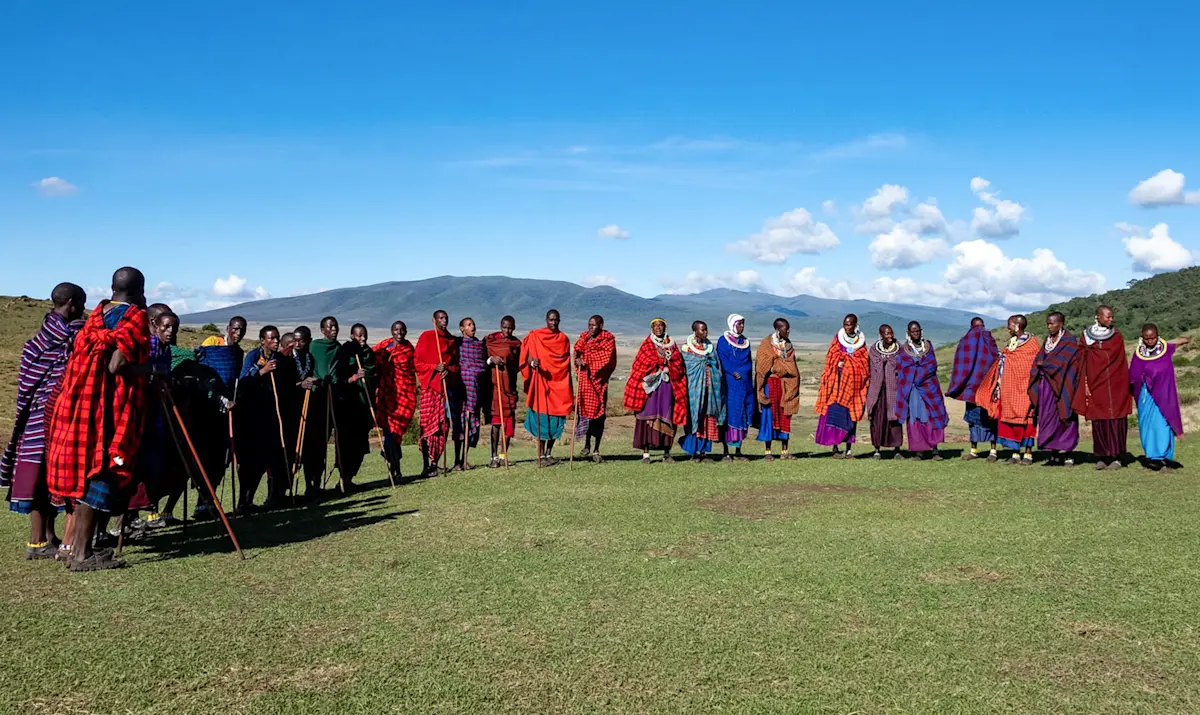
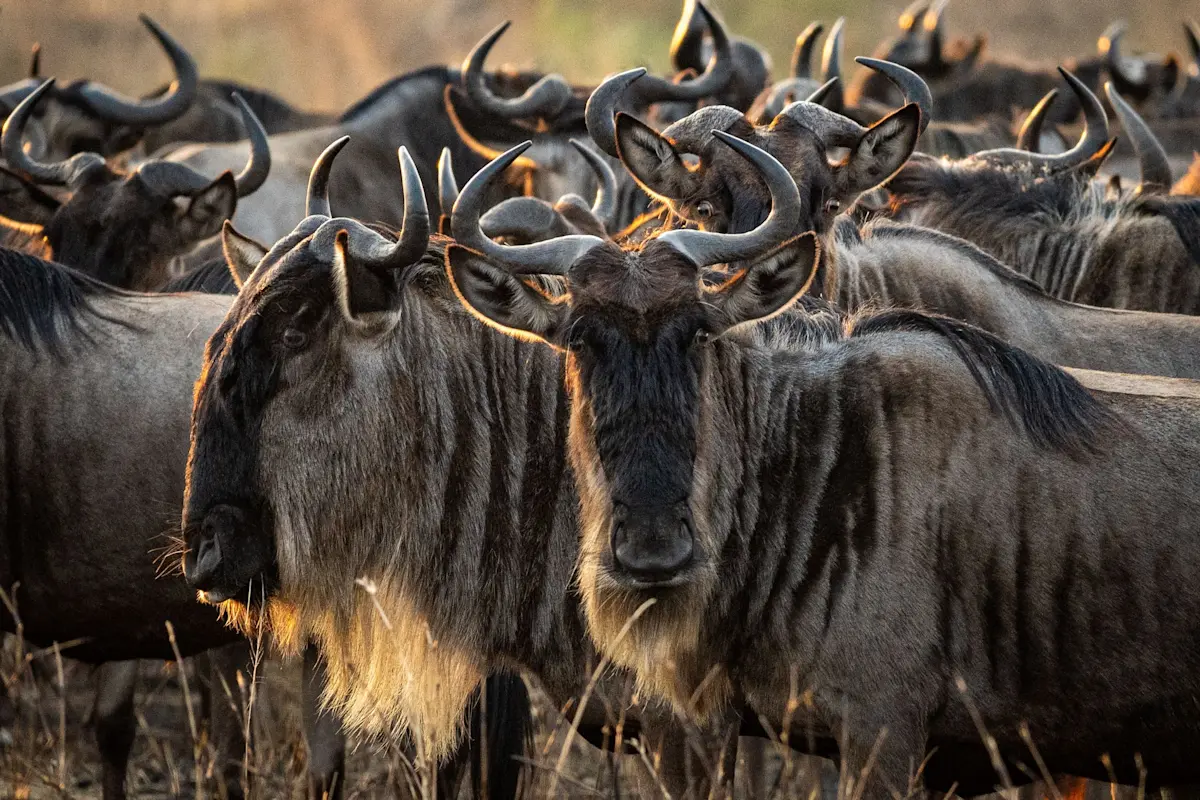
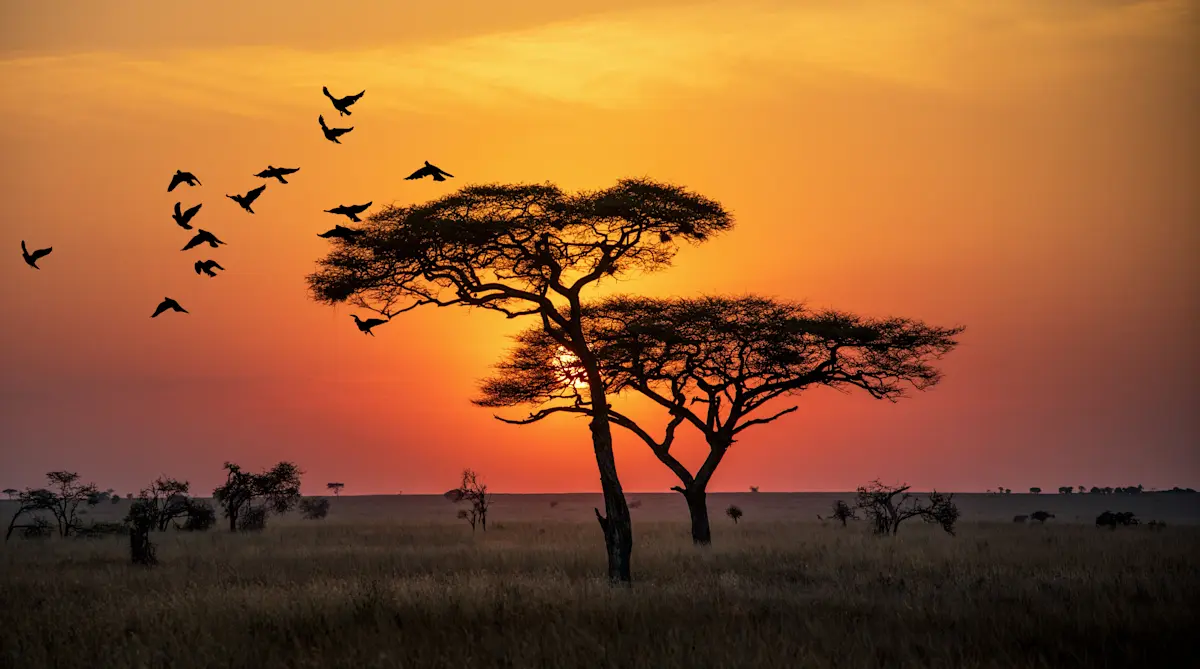
Photo 1 of 15
Trip Highlights
-
Gain Insight from an Expert Photographer
Refine your composition, technique, and visual storytelling in the field with photographer and SUNY Oneonta professor Wesley Bernard, who brings more than 30 years of experience.
-
Capture Tanzania from Crater to Serengeti
Photograph lions in golden grass, wildlife against Ngorongoro’s crater walls, and vast Serengeti landscapes where acacias and granite kopjes punctuate the plains.
-
Photograph the Great Migration
Follow wildebeest and zebra into the northern Serengeti, capturing immense herds, prowling predators, and the possibility of dramatic crossings at the Mara River.
Itinerary
Itinerary 1 itinerary
Day 1: Arusha, Tanzania
Meet your Tanzanian guide at Kilimanjaro International Airport and transfer to your accommodations in Arusha.
Rest for the evening before setting out for the Ngorongoro Highlands.
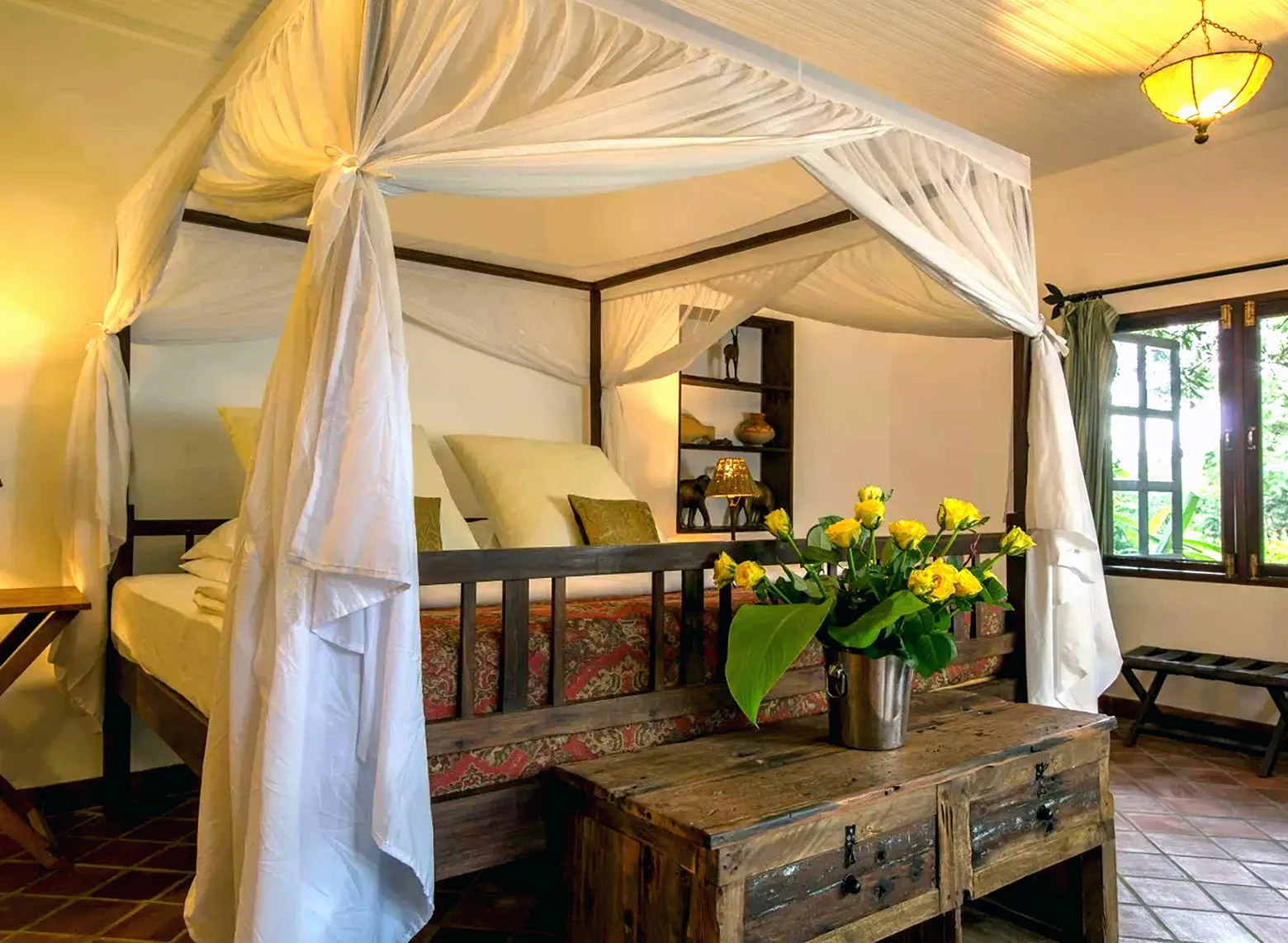
Your photographic journey opens upon arrival at Kilimanjaro International Airport, where a Thomson Safaris representative welcomes you, assists with your camera gear, and leads the way to your private transfer. Check into Rivertrees Country Inn, a charming, leafy sanctuary set along the rushing waters of the Usa River on a rustic old coffee estate.
Use the quiet afternoon hours to shake off long flights, double-check your camera setups, and soak in the tranquil grounds. You can stroll along the shaded riverbank paths watching for black-and-white colobus monkeys in the canopy, relax near the pool, enjoy a quiet dinner, and get a restful night's sleep before departing for the Ngorongoro Highlands tomorrow.

Day 2: Ngorongoro Highlands
Climb the Great Rift Valley Escarpment to Gibb’s Farm, photographing lush gardens, cultivated fields, and expansive views across the Ngorongoro Highlands.
Visit a Maasai boma, with opportunities to photograph the people, traditions, and pastoral landscape of the Ngorongoro Highlands.
Continue to camp on the crater rim, ready for an early descent into Ngorongoro the next morning.
Begin your journey into the highlands, driving up the dramatic Great Rift Valley Escarpment to pause at the historic Gibb's Farm. Wander through ten acres of organic gardens and terraced farmland, taking advantage of the rich textures, colorful flora, and soft mountain light to capture sweeping landscape and detail shots across the estate.
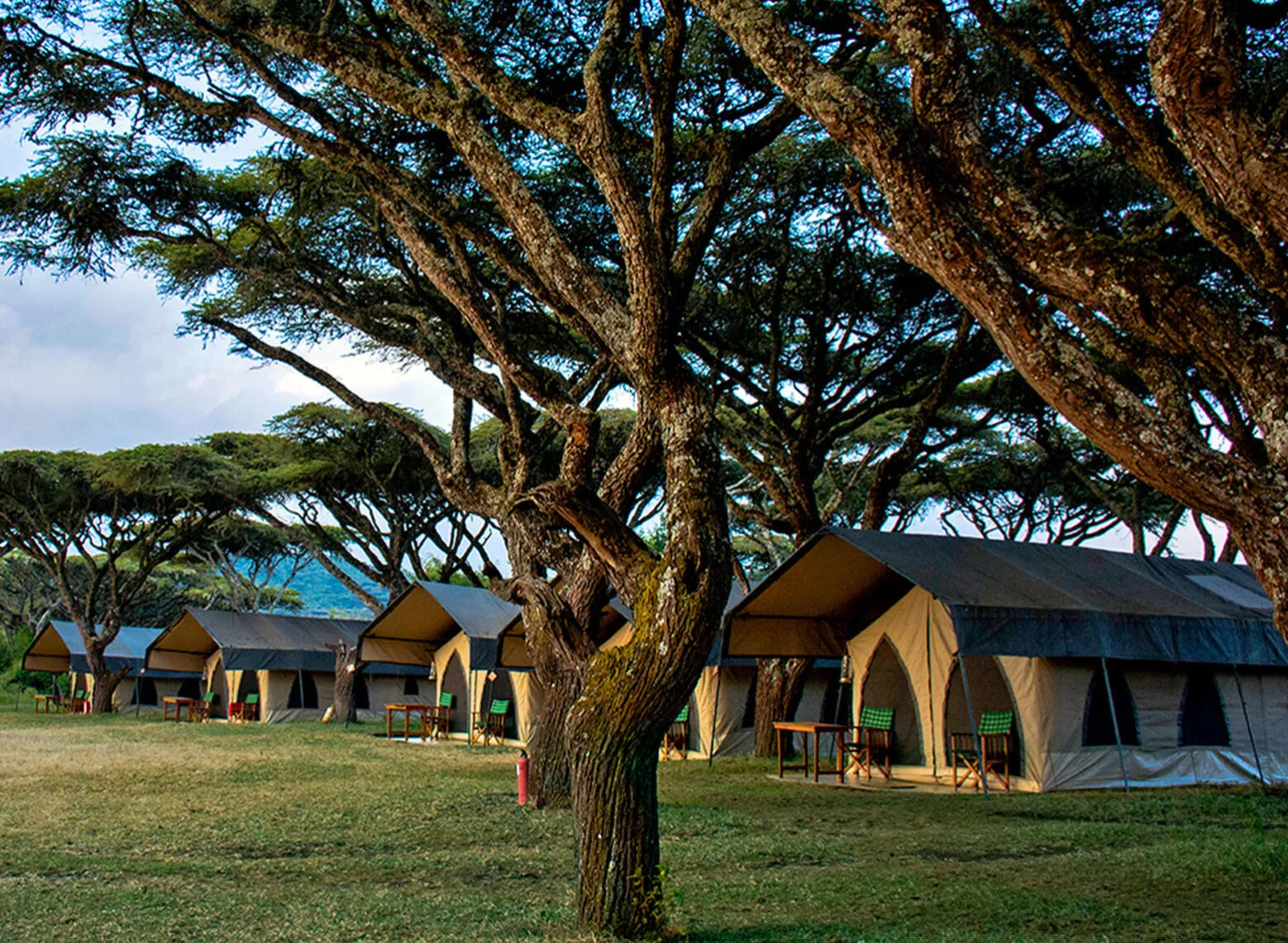
Later, visit an authentic Maasai boma where you'll work closely with Wesley and your guide on environmental portraiture, capturing the rich attire, facial expressions, and vibrant cultural traditions of your hosts. In the late afternoon, head up to your rim-side camp perched high above the crater floor, setting up your gear to catch golden hour light over the caldera before turning in early.

Day 3: Ngorongoro Crater
Descend early into the 10-mile-wide intact volcanic caldera, photographing wildlife in the softer morning light before more travelers arrive on the crater floor.
Frame lions, elephants, birdlife, and more against grasslands, wetlands, and the steep walls of this collapsed volcano.
Work promising sightings with Wesley, taking time to experiment with composition, perspective, and technique as wildlife behavior develops.
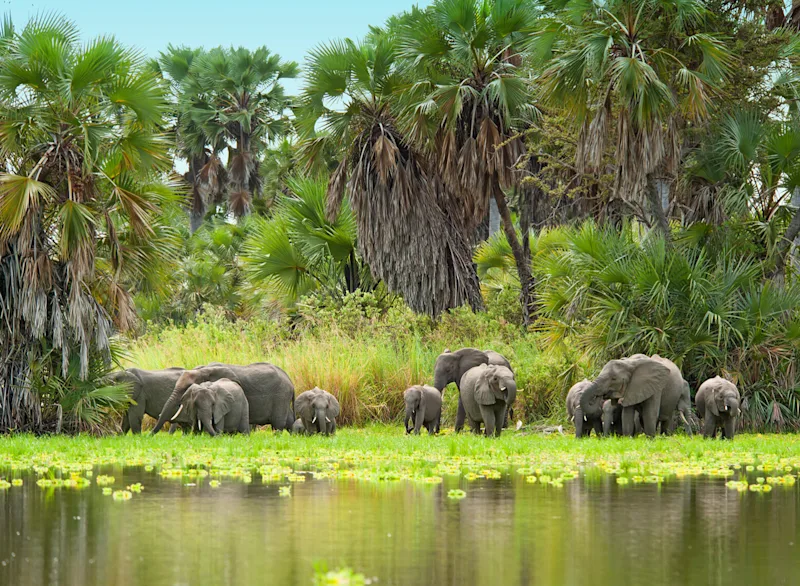
Ngorongoro Crater is a photographer’s dream, with an extraordinary concentration of wildlife set against a dramatic volcanic landscape. Spend the morning working your way across the crater floor, where changing light, open grasslands, marshes, and acacia woodland create a constantly shifting backdrop. Keep your camera ready for elephants moving through the forest, flamingos gathering on the water, hippos surfacing in the marshes, and lions resting in the grass. The endangered black rhino can also be spotted here, offering a rare opportunity to photograph one of Tanzania’s most elusive animals.
With a full row to yourself, you have the space to organize your camera gear, change lenses, and reposition as the scene develops. Wesley and your guide can help you think through composition, exposure, and positioning while giving you the time to wait for the right moment. Whether you’re capturing a close-up portrait or a wide landscape that puts the animal in context, the goal is to come away with images that tell the story of Ngorongoro rather than simply documenting what you saw.
Days 4 to 5: Central Serengeti
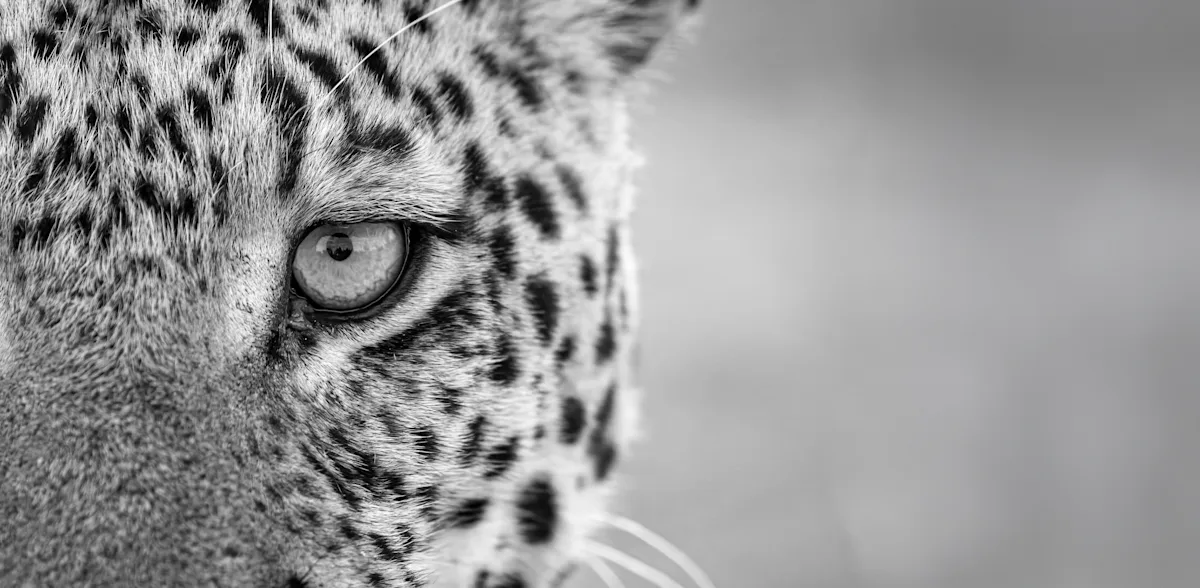
Photograph lions among the grasses, cheetahs scanning the plains, and wildlife framed by the Serengeti’s granite kopjes and acacia trees.
Stay with promising subjects as the action develops, giving you time to compose deliberately, adjust your perspective, and wait for behavior to change.
Work with Wesley and your Tanzanian guide to anticipate movement, read the light, and position the vehicle for stronger, cleaner frames.
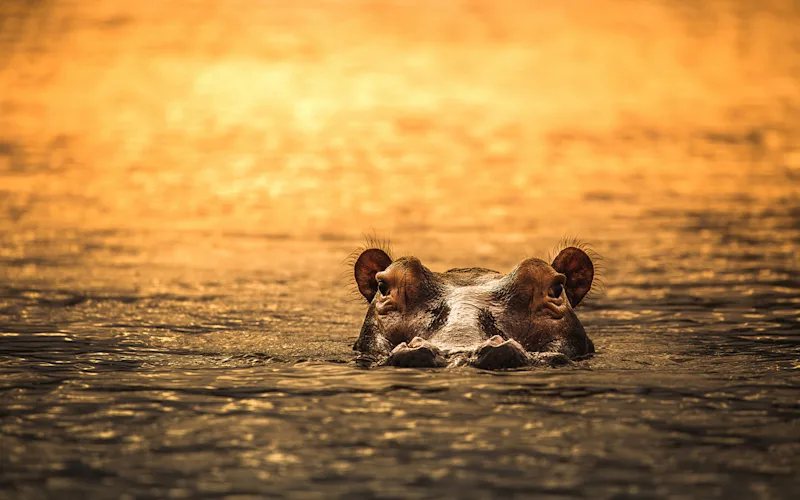
Follow elephants as they interact at a water source, look for giraffes framed between acacia branches, or wait for a hippo to break the surface at just the right moment. Smaller subjects bring a different challenge, from bee-eaters darting between perches to warthogs and dik-diks appearing unexpectedly in the grass. Your expert guides help read the behavior and anticipate what an animal might do next, while Wesley helps you turn those fleeting moments into stronger photographs, showing you how to work with composition, timing, light, and camera settings.
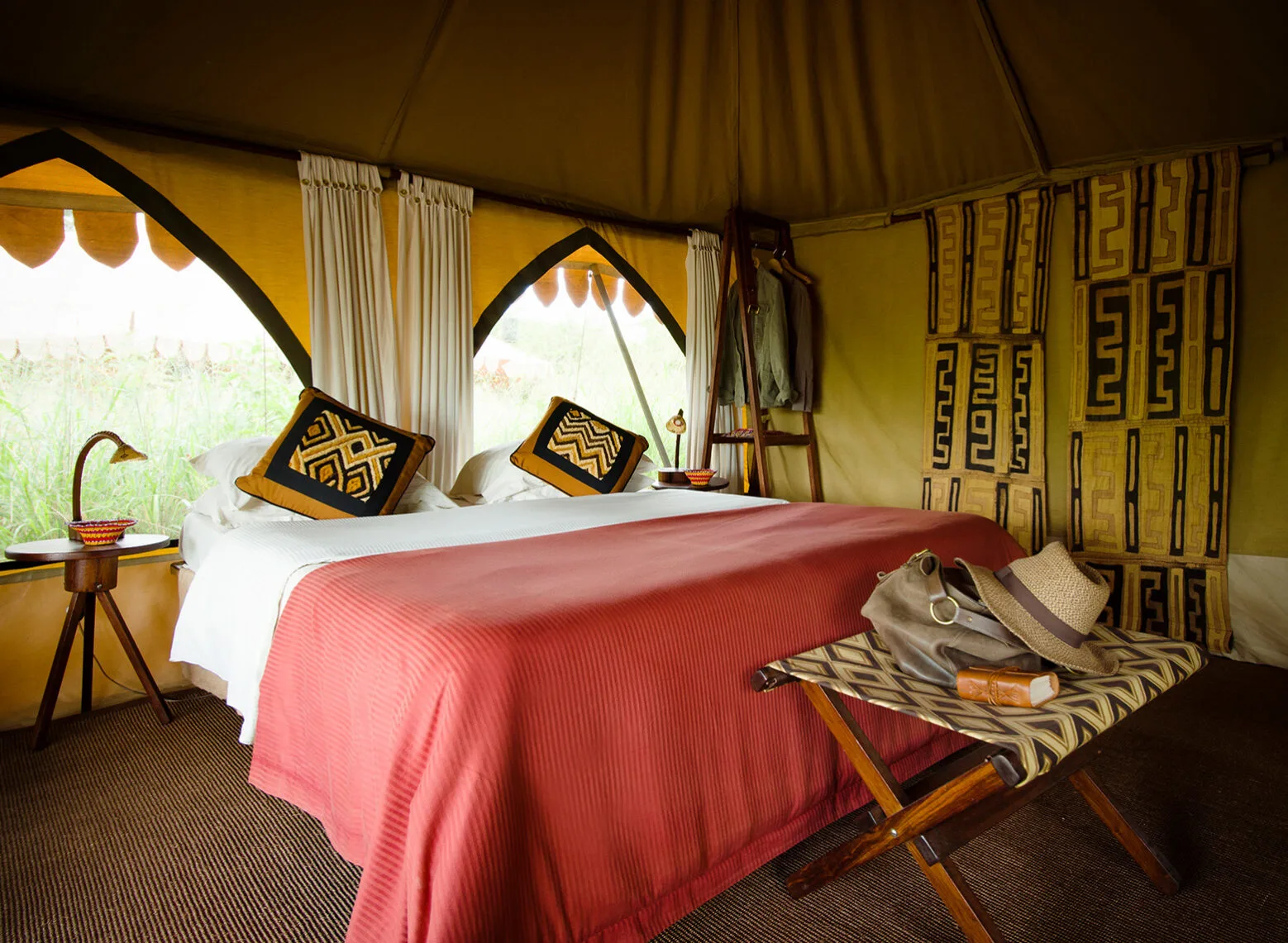
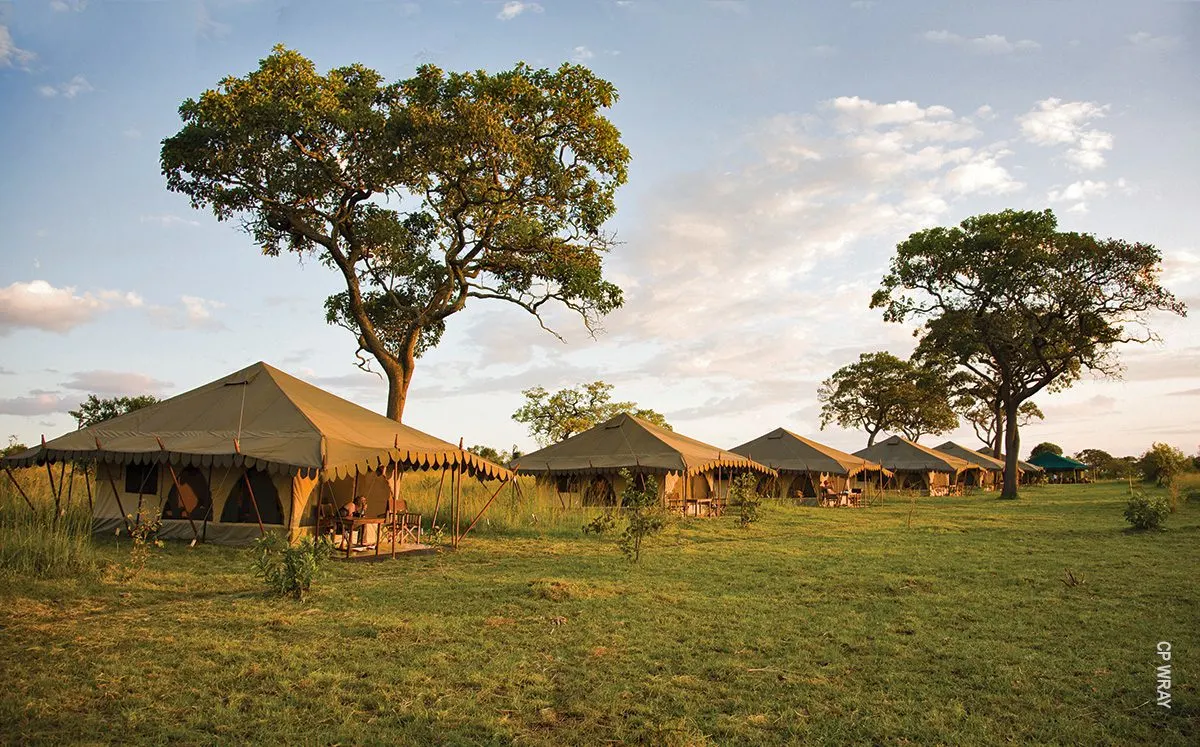
Dedicated tech tents at camp ensure your batteries stay fully charged and storage drives are backed up each night. Spend your field days practicing advanced storytelling techniques, experimenting with panning shots of fast-moving wildlife, and capturing atmospheric rim-lit subjects as dusk settles over the savanna.

Days 6 to 7: Northern Serengeti
Follow wildebeest and zebra north toward the Mara River, using long views and tighter compositions to convey the staggering scale of the herds.
Photograph the migration as it gathers and moves through the river country, alongside the predators and other wildlife drawn to this seasonal abundance.
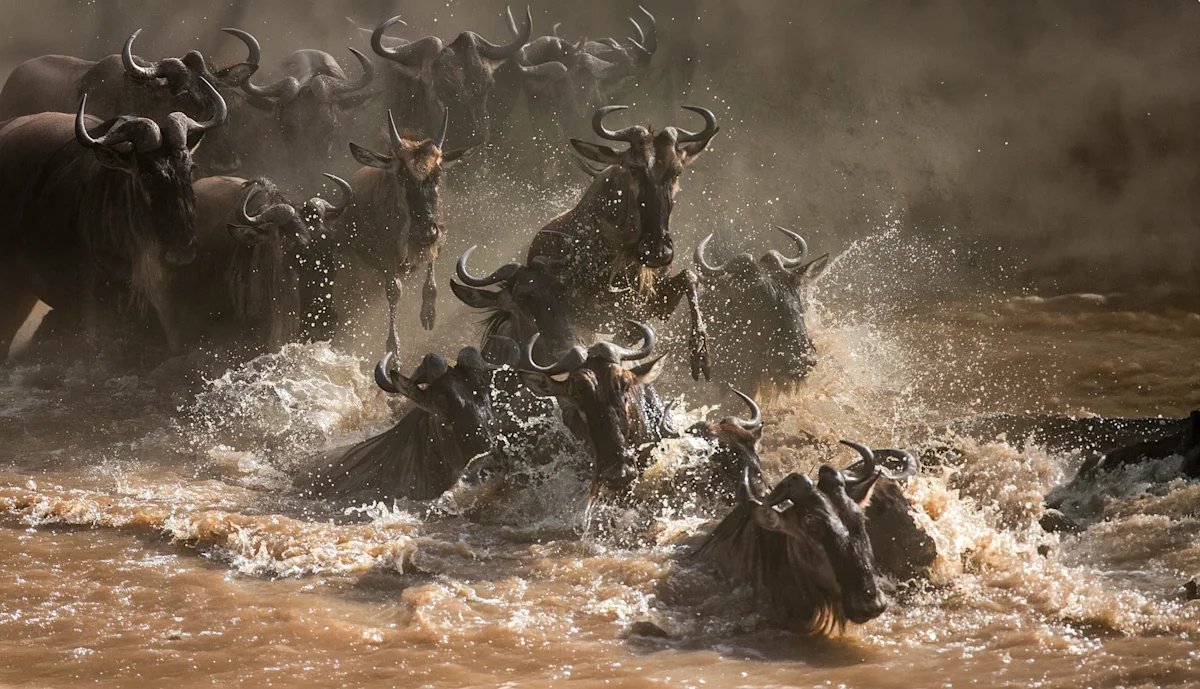
Wait for the possibility of a Mara River crossing, where rushing herds, splashing water, steep banks, and split-second action demand both preparation and instinct.
The Great Migration takes center stage in the Northern Serengeti, where wildebeest and zebra gather in enormous numbers as they make their way toward the Mara River. Here, the scale of the migration becomes the subject. Photograph thousands of wildebeest and zebra as they compress, scatter, and stream across the landscape, then zoom in on the individual stories within the herds. A calf struggles to keep pace, zebras press toward the riverbank, and crocodiles wait almost motionless in the water below. Along the shoreline, birds pick through the shallows while the constant movement of the herds creates opportunities for everything from sweeping environmental frames to tight, fast-moving action shots.
The Mara crossings are famously unpredictable, which makes anticipation and timing essential. You may spend hours watching the herds approach the river, only for the entire scene to erupt into motion as animals plunge into the water and scramble up the opposite bank. Wesley can help you prepare for those split-second opportunities, from choosing your shutter speed to tracking fast-moving subjects and composing through the chaos. Later, return to camp to review your images and see which moments you captured from the day.

Day 8: Arusha, Tanzania
Return to Arusha for a farewell lunch at Arusha Coffee Lodge.
Relax in a day room before transferring to Kilimanjaro International Airport for your flight home.
Take a final bush flight back to Arusha, with one last look at the sweeping landscapes of northern Tanzania from above. Once you’re back in town, enjoy a leisurely lunch at Arusha Coffee Lodge, surrounded by peaceful coffee gardens, and spend some time relaxing at your day room at The Arusha Hotel. Use the afternoon to pack up your photography gear, organize your memory cards, and freshen up before your transfer to Kilimanjaro International Airport.
Add-Ons
Add-On
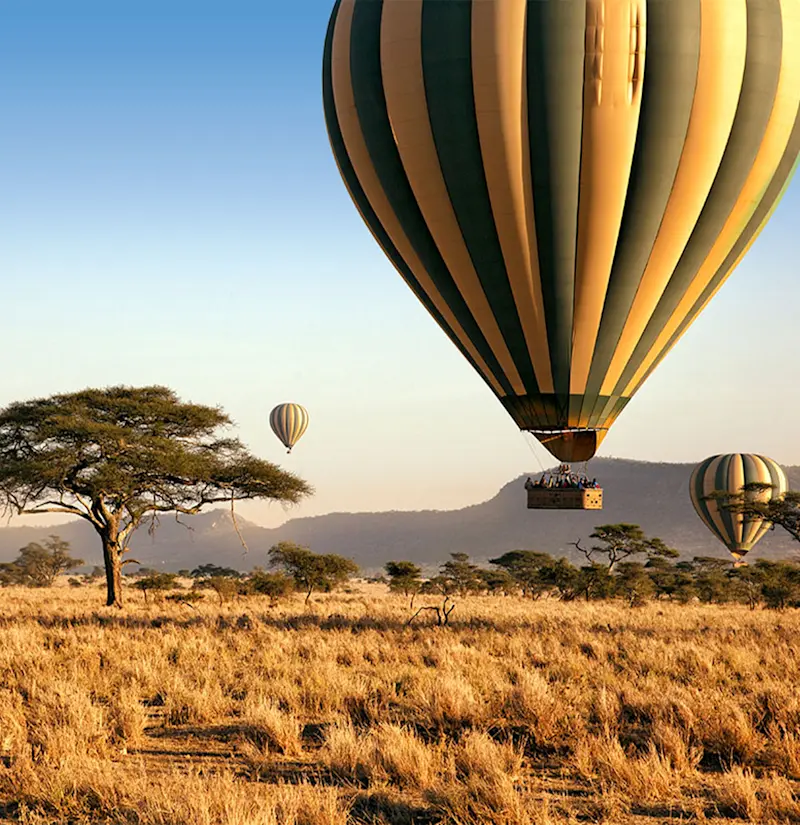
Fly over the Serengeti
Enjoy a bird’s eye view, a hearty breakfast and a glass of champagne during a morning hot air balloon tour. Your entire trip will be unforgettable, but this will bring it to new heights.
Call for current pricing. Advanced reservations required.
Accommodations
Dates, Prices & Info
As of July 1, 2016, Tanzania imposed a new Value Added Tax (VAT) on tourism activities. VAT starts at $300 and varies by trip. Single accommodations start at $800 and vary by trip. All prices are subject to change without notice.
Group Size
We specialize in small group travel (about 14 people or fewer), but the exact size varies from trip to trip. One thing’s for sure: you’ll have plenty of elbow room, 360-degree sightlines, and a guaranteed window seat.
What's Included
Your safari land package includes all accommodations, meals, purified water (with meals and on wildlife drives), airport transfers aligned with Delta/KLM flights, park fees, and the services of guides and drivers.
Not Included
International airfare is not included.
Additional costs may include tips for your guides, drivers and staff, bar beverages, laundry service, phone calls, passport and visa fees, souvenirs, and travel insurance.
Your pre-departure packet includes visa application instructions and information on travel insurance and tipping.
Important Information
A 20% deposit is required to reserve your space. This deposit is non-refundable and non-transferable. Full payment is due 90 days prior to the first land day of the trip.
Notification of cancellation must be made in writing to Thomson Safaris. At the time we receive the cancellation, all moneys will be refunded less the following cancellation charges:
91 days or more before departure: cancellation fees equal the amount of your deposit
90 to 61 days before departure: 50% of the package price is non-refundable
60 to 46 days before departure: 65% of the package price is non-refundable
45 days or less before departure: 100% of the package price is non-refundable
No partial refunds will be given for unused meals, hotel rooms, airport transfers, etc., for any reason whatsoever. Thomson Safaris reserves the right to increase the tour price in the event of cost increases due to changes in airfares, currency fluctuations, park fee increases, fuel surcharges, taxes, etc. Accommodations are subject to change.
Travel Insurance
Thomson strongly encourages you to purchase travel insurance within two weeks of making your deposit to protect your investment, as we are not able to make changes to our cancellation policy for any reason. Travel Guard comes highly recommended by our guests.
Getting There & Getting Home
Delta/KLM have by far the quickest, easiest routing: an overnight flight from North America brings you to Amsterdam for a brief layover before arriving at Kilimanjaro International Airport. Our scheduled trips and airport transfers are designed with the KLM arrival schedule in mind, so check with your safari consultants or trip managers before making arrangements with a different airline.
You’ll find your guide at the airport holding a Thomson Safaris placard with your name on it.