
Family Safari Frequently Asked Questions
Planning Your Family Safari
Planning a family safari in Tanzania often comes with many questions, from choosing the right accommodations and understanding age considerations to preparing children for wildlife encounters. Below, we answer the questions families ask us most before they travel.
Whether you’re planning a safari with young children, teenagers, grandparents, or multiple generations, these answers will help you prepare for an unforgettable Tanzania safari that matches your family’s interests, travel style, and pace.
If you don’t find the answer you’re looking for, our safari specialists are happy to help you.
How far in advance should families start planning?
For family safaris, we recommend booking as far in advance as possible—ideally a year or more. Families often travel during school breaks and peak seasons, which fill up fast. Booking earlier can help secure your dates and gives you time to prepare the whole family for the adventure.
What does the price include?
Your family safari package includes all accommodations, meals, water, airport transfers, park fees, and the services of your expert guides and drivers. International airfare is not included. Plan to budget for tips, visa fees, souvenirs, and optional travel insurance.
How many families are usually on a trip? Is it private or group-based?
Most family safaris are scheduled, small-group departures, where you’ll travel alongside a handful of other families (typically 14 people or fewer) for a sociable, shared adventure. For larger groups who’d prefer to travel on their own, Thomson also offers private departures with a dedicated guide and vehicle. Either way, you’ll enjoy the personalized, intimate experience Thomson is known for.
How long is the trip?
Our signature family safari runs 10 days (9 nights), including internal flights between regions to cut down on transit time. Some families come in a day early to adjust to the time difference and settle in before the trip begins. You can also extend your adventure with add-ons like a Zanzibar beach stay or—for families with kids age 15+—gorilla trekking in Rwanda to make the journey your own.
Safari Experience
Tanzania offers exceptional wildlife viewing year-round, making it easy for families to plan a safari around school breaks and holidays. From the Great Migration and playful newborn animals to iconic wildlife like lions, elephants, giraffes and rhinos, every season brings unforgettable encounters. Explore the Serengeti and Ngorongoro Crater, where some of Africa’s most spectacular wildlife experiences await.
What’s the best time of year for wildlife viewing?
Tanzania offers excellent wildlife viewing year-round, with the Great Migration moving through the Serengeti in every season. As a result, families can plan around school schedules without compromising the safari experience. A spring break trip catches calving season, with lush green plains and adorable baby animals. Summer break falls during the dry season, when shorter grass makes wildlife easy to spot. The winter holidays are another wonderful window to travel together.
What animals will we see?
All the icons of an African safari: lions, elephants, giraffes, zebras, hippos, warthogs, wildebeest, and more. In the Ngorongoro Crater, you’ll have the chance to spot the Big 5, including rhinos, within one of the densest concentrations of predators in Africa, while the Serengeti delivers big cats and the legendary Great Migration year-round.
Gallery
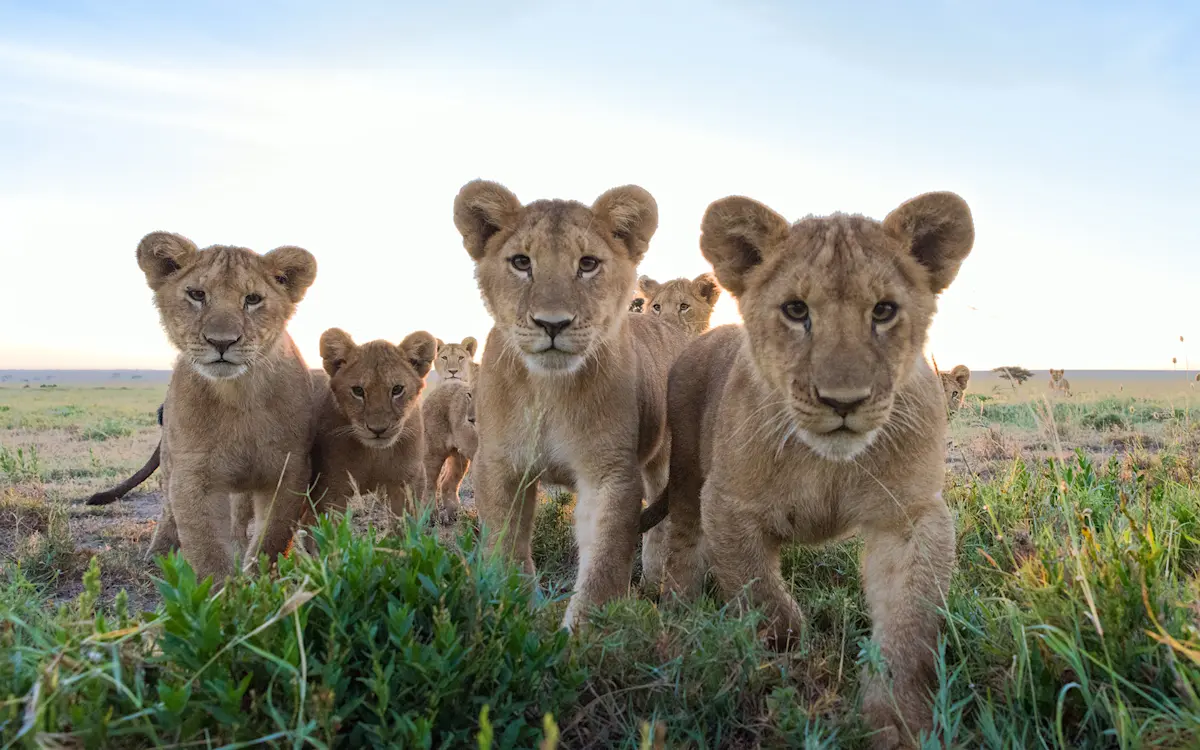
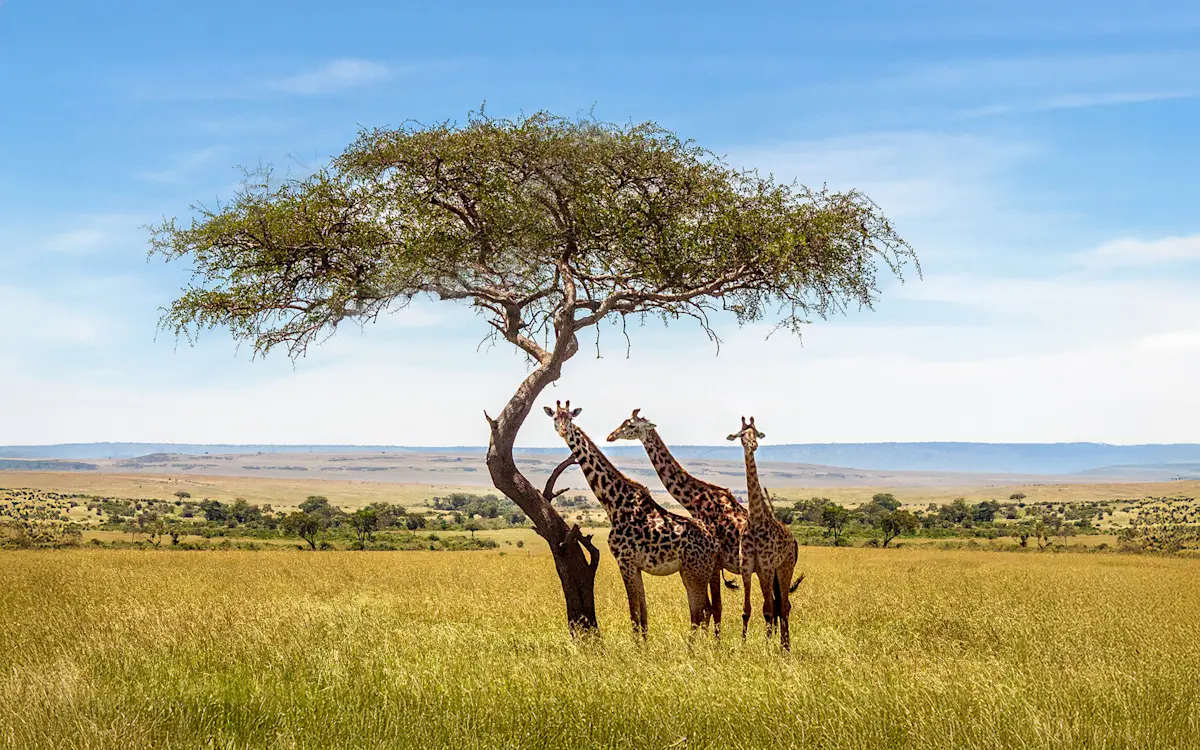
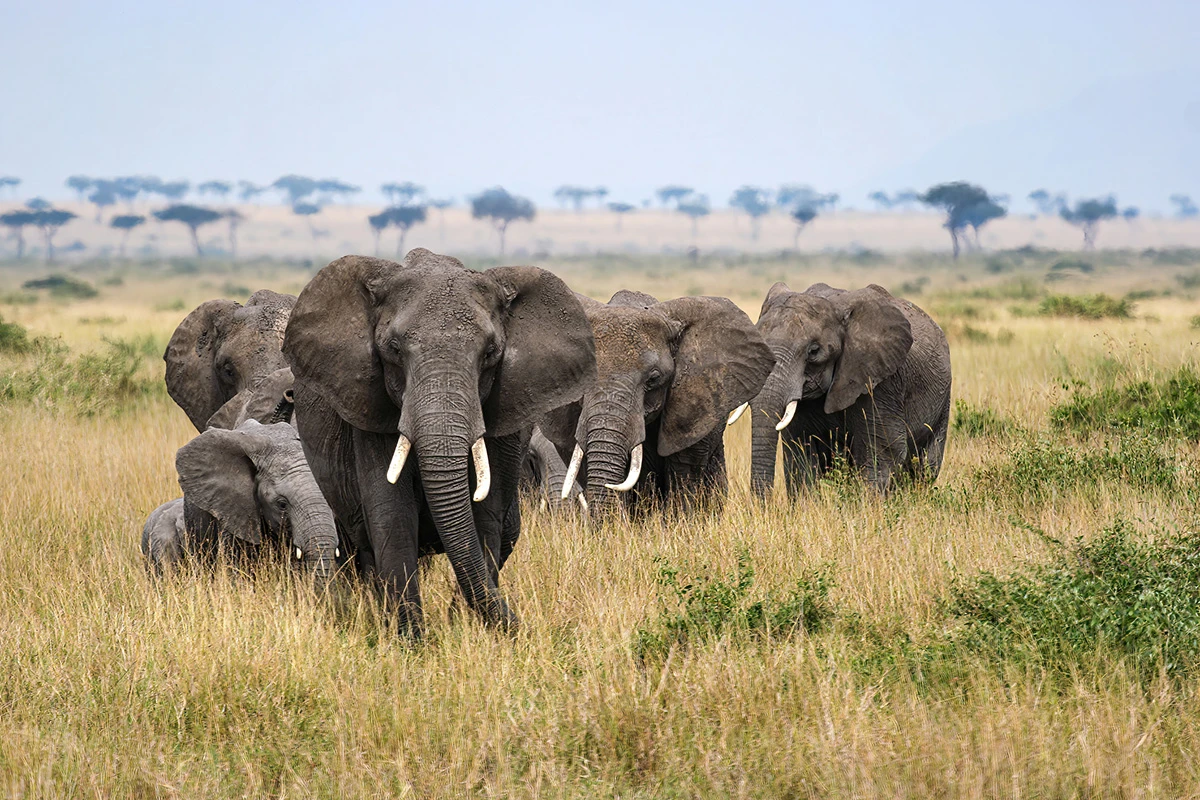
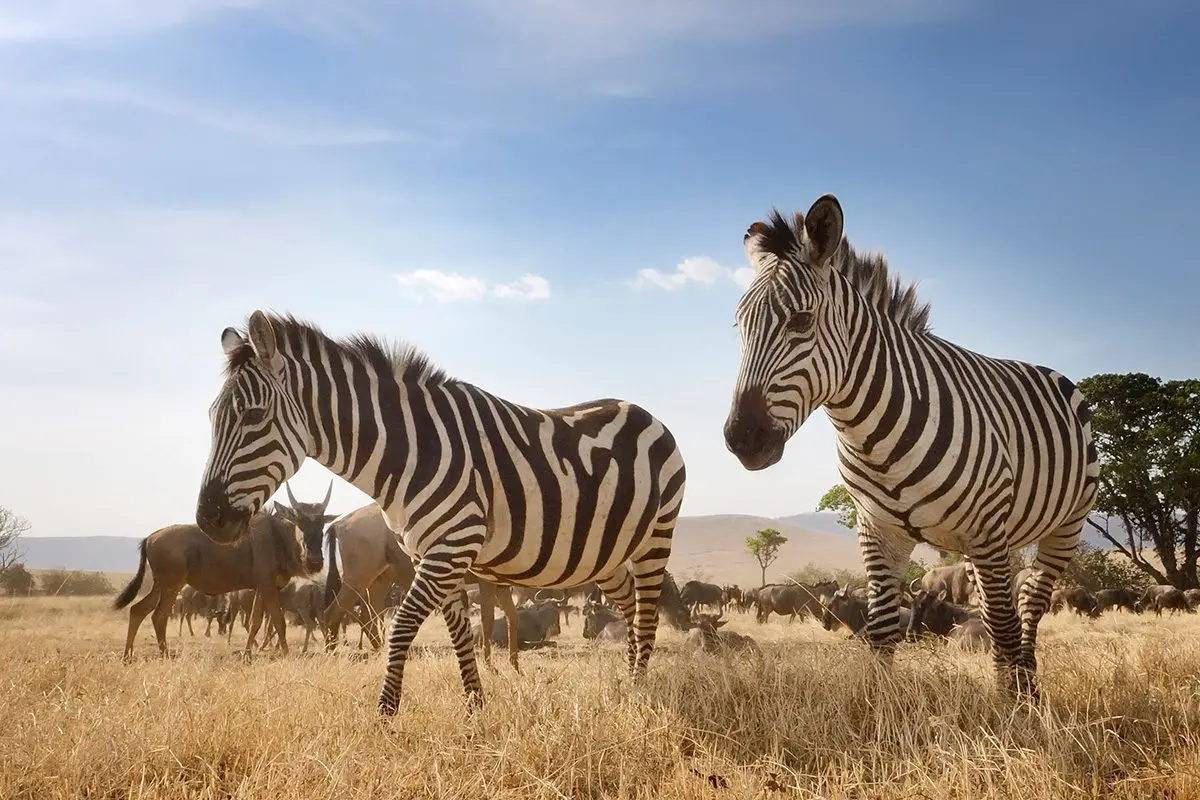
Photo 1 of 4
Traveling with Kids
Family safaris are thoughtfully designed for travelers ages 6 and up, with a perfect balance of wildlife adventures, cultural experiences and downtime. Expert local guides and dedicated Rafikis keep kids and teens engaged through storytelling, hands-on activities and exciting wildlife encounters, while parents and grandparents enjoy the journey. With comfortable accommodations, kid-friendly meals and flexible options for dietary needs, every detail is designed to make your family safari easy, enjoyable and unforgettable.
Will we be stuck in the car all day?
Each day strikes a perfect blend of wildlife viewing and downtime, with wildlife drives timed for when animals are most active, plus cultural visits and relaxed time back at camp. Your expert guide keeps days well-paced and engaging, so the whole family stays comfortable and immersed in the adventure.
Are my kids old enough for safari?
We recommend a minimum age of 6 for our Tanzania family safaris—old enough to enjoy wildlife drives and remember every moment. Travelers 16 and older may also choose our traditional small-group safaris.
Is this safari good for families with young kids or teens?
Yes, our Tanzania family safaris are built for young kids, teens, parents, and grandparents to explore together. Children 6 and up enjoy wildlife scouting, Maasai storytellers, soccer matches with local kids, and legendary landscapes. Teens love the adventure and cultural connection, making it a trip the whole family treasures forever.
Will our children be too young to appreciate it?
Not if they’re 6 or older. That’s exactly why we set that minimum: it’s the age when kids can identify a lion crossing the savanna, spot their first giraffe, and carry these moments with them for life. Your guides are natural teachers who spark curiosity at every turn, and on larger trips, a Rafiki keeps children engaged and delighted throughout.
What is a rafiki?
“Rafiki” means “friend” in Swahili. On a family safari with more than 8 guests, a Rafiki is a dedicated travel companion and guide for children. Working alongside the group’s safari guides, they keep kids engaged through storytelling, hands-on activities, and fun ways of exploring wildlife and local culture. This helps children stay curious and involved, while parents and grandparents have more time to relax and enjoy their vacation.
Are the guides good with children and families?
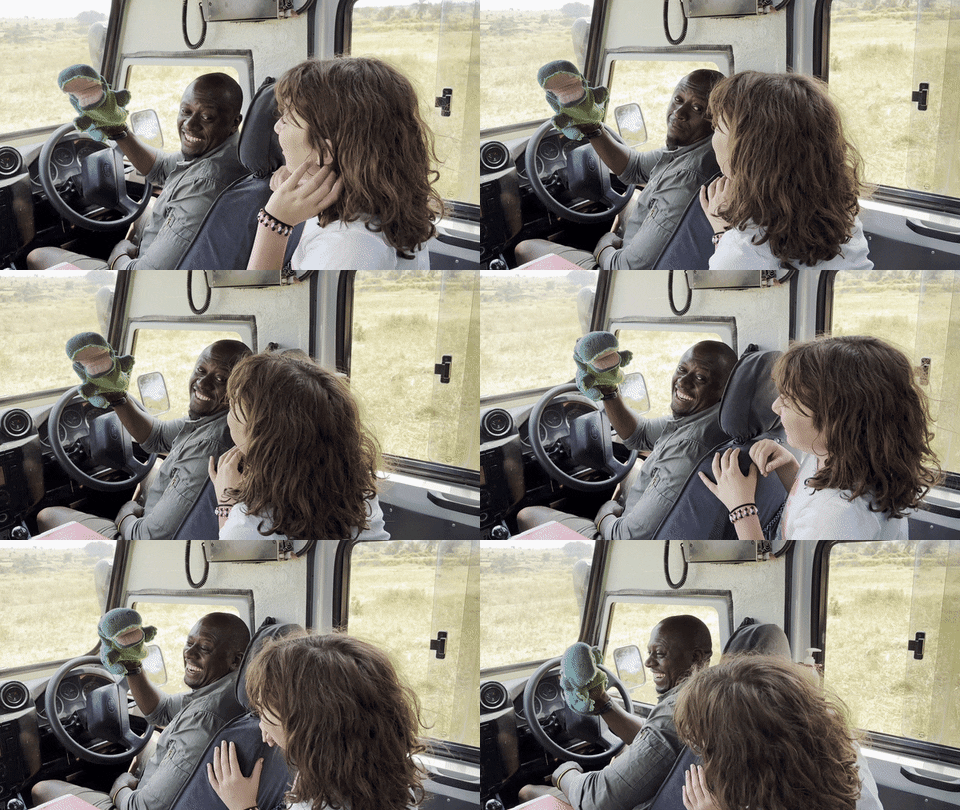
Absolutely. Your local Tanzanian guides each bring at least 10 years of experience, along with a natural talent for engaging young travelers. They help children understand wildlife behavior, spot animal tracks, and build excitement around every sighting. Whether it’s your guide or a dedicated Rafiki, the team has a magical way of keeping children involved and delighted throughout.
What should we pack and what do kids wear?
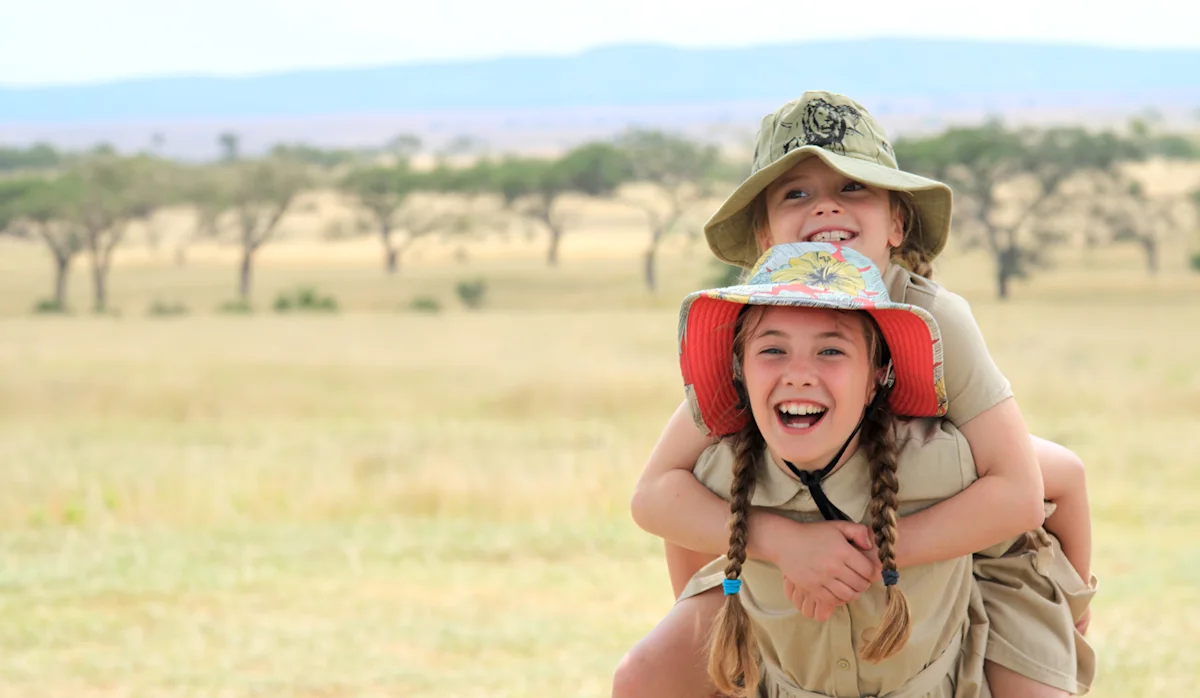
Pack light, comfortable layers in neutral colors such as khaki, tan, and olive. These work well for both adults and kids on wildlife drives in the Serengeti, where mornings can be cool and afternoons warm. Lightweight long sleeves and pants are useful for sun protection and added comfort in the evenings.
For footwear, comfortable sneakers or sturdy sandals are best for time in camp and getting in and out of safari vehicles. We also recommend hats, sunglasses, and sunscreen for the whole family.
Laundry service is available at camp, so there’s no need to overpack.
Once you book, we’ll send a detailed packing list, so you know exactly what to bring.
What’s the food like for picky eaters or dietary needs?
Wonderful and accommodating. Nyumba camp chefs prepare fresh soups, breads, entrees, and desserts daily, often with Western palates in mind, so even picky young eaters find plenty to love. We’re happy to provide kid-friendly alternatives and handle special requests of all kinds, whether that’s pasta at every meal or dietary needs like vegetarian, vegan, gluten-free, dairy-free, kosher, or halal. Just let your Trip Manager know.
Accommodations and Comfort
Experience the magic of the African wilderness without sacrificing the comforts of home. Nyumba tented camps and carefully selected lodges offer cozy beds, private bathrooms and hot showers, creating a welcoming retreat after each day’s adventures. With convenient charging stations and Wi-Fi at most lodges, you can stay connected when needed while enjoying the opportunity to unplug and immerse yourself in nature.
What are the camps like?
On a Thomson safari, you’ll stay in Nyumba camps, exclusive to Thomson guests. Nyumba means “home” in Swahili, and that’s exactly how the accommodations feel. The tents are designed to deliver the ultimate safari wilderness experience without sacrificing comfort, including en suite bathrooms and hot showers. At lodges such as Gibb’s Farm, guests stay in private cottages with spacious en suite bathrooms featuring both indoor and outdoor showers. Across all Tanzania safari accommodations, from Nyumba tents to lodges, private and well-appointed facilities are a standard part of the experience.
What are the beds like?
Each Nyumba features queen-sized beds with proper mattresses and high-thread-count linens, designed by co-founder Rick Thomson for a restful night after a day in the bush. For families, twin beds can also be added upon request. Expect the comfort of home, with the magic of falling asleep to the sounds of the African wilderness just outside.
Is there Wi-Fi? What about places to charge my devices?
Wi-Fi is available at most lodges, but once you’re out in the bush, connectivity can be unreliable. Most guests find they can check in every so often, but safari is also a wonderful opportunity to unplug and enjoy time together in nature.
Charging devices is easy, with charging stations available in your tent, in common areas, and in every safari vehicle so you can keep cameras, phones, and other devices powered throughout your journey.
Gallery
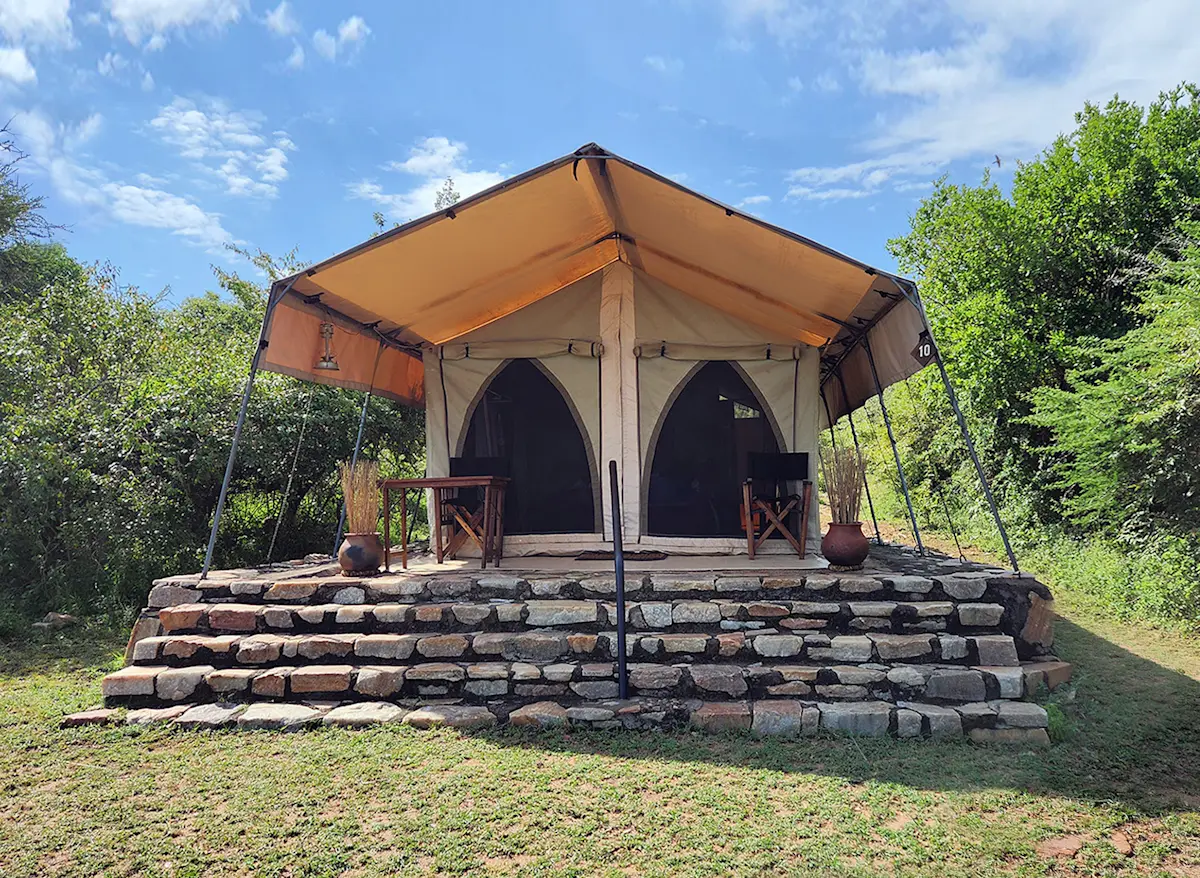
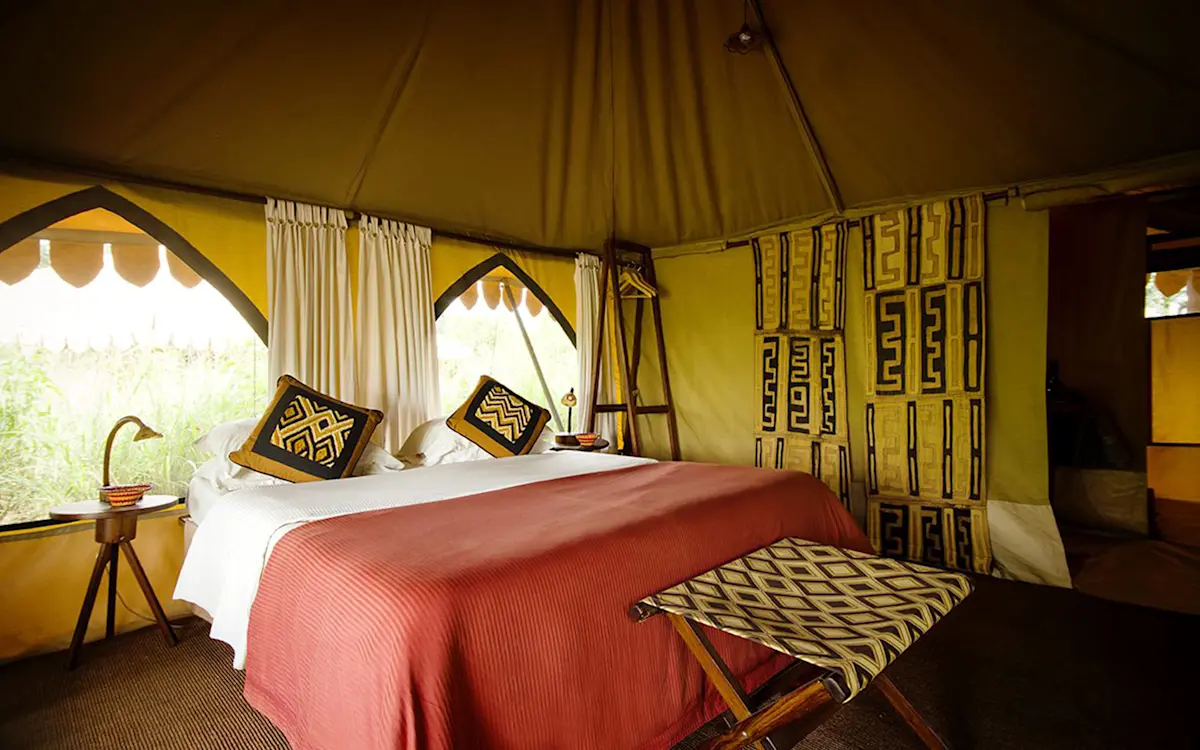
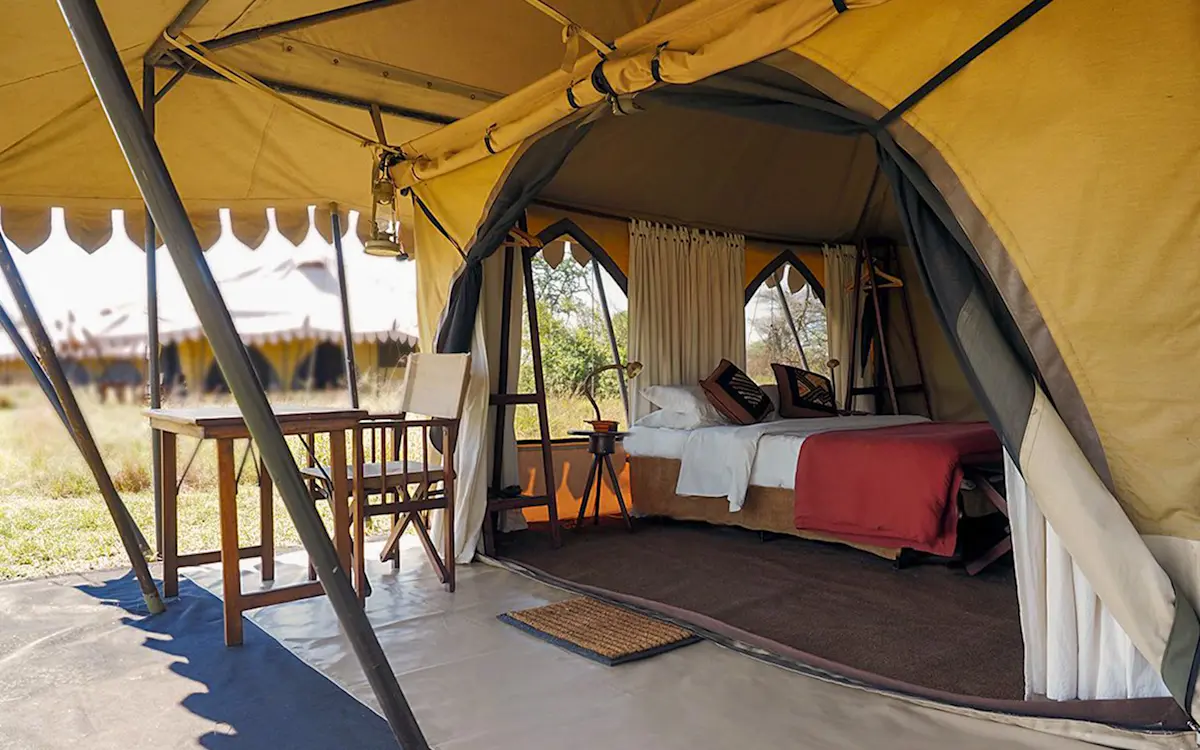
Photo 1 of 3
Safety and Travel Logistics
Travel to Tanzania with confidence, knowing your family is in the capable hands of experienced local guides from the moment you arrive. Your dedicated Trip Manager can help coordinate international flights and provide guidance on travel preparations, including recommended health precautions. With convenient domestic flights included in your safari itinerary, you’ll spend less time in transit and more time enjoying unforgettable wildlife encounters together.
Is Tanzania safe for families?
Tanzania is one of Africa’s most stable, peaceful countries. Your local Tanzanian guides, each with at least 10 years of experience, are with you from the moment you land, picking you up at airports and hotels so your family is always in trusted, capable hands.
What vaccinations do we need?
If you’re traveling directly to Tanzania from North America via Europe, there are no required immunizations. A yellow fever vaccine may be needed only if your itinerary includes a yellow-fever-endemic country like Kenya or Rwanda. We strongly recommend booking an appointment with a travel doctor, who can advise on routine vaccines, anti-malarial medication, and any precautions specific to your family.
Are flights included?
International airfare to and from Tanzania is not included in your safari package. However, internal flights within Tanzania—like the short scenic hops between the Eastern Serengeti, Serengeti, and Ngorongoro—are part of your itinerary. This helps cut down transit time so your family spends less time traveling and more time spotting wildlife.
What’s the flight routing?
There are several routes into Tanzania. The most common is Delta/KLM: an overnight flight from North America to Amsterdam, a brief layover, then a nonstop to Kilimanjaro International Airport (about 9 hours). Scheduled safari itineraries are designed around KLM’s schedule, so your guide will be waiting when you land. Your dedicated Trip Manager can help you find the best flights for your family.
For over 45 years, we’ve guided kids, parents, and grandparents across Tanzania together. We’d love to do the same for your family.